Companies that use Klara
Analyzed and validated by
Henley Wing Chiu
·
Updated

⏱️ Data is delayed by 1 month. To show real-time data, sign up for a free trial or login
| Company | Employees | Industry | Country | Region | Usage Start Date | |
|---|---|---|---|---|---|---|
 Summit Dermatology |
2–10 | Education Administration Programs | N/A | North America | 2026-09-24 | |
 Mid State Orthopaedic & Sports Medicine Center |
51–200 | Medical Practices |
United States
|
North America | 2026-09-22 | |
 DERMIO DERMATOLOGY, LLC |
51–200 | Medical Practices | N/A | North America | 2026-09-19 | |
 The Woodruff Institute for Dermatology & Cosmetic Surgery |
51–200 | Health, Wellness & Fitness |
United States
|
North America | 2026-09-15 | |
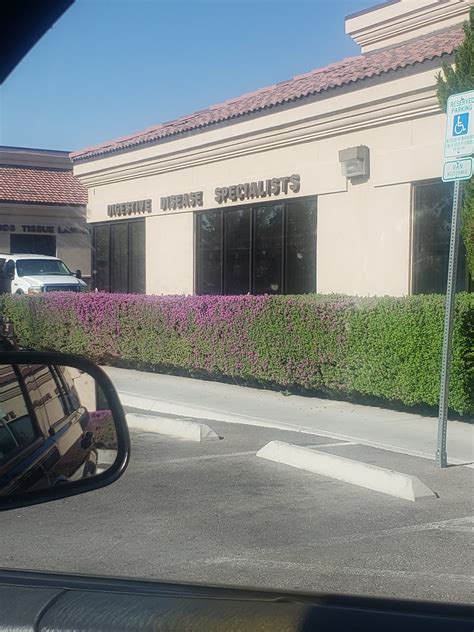 Digestive Disease Specialists |
51–200 | Hospitals and Health Care | N/A | North America | 2026-09-14 | |
 Johnson City Eye Clinic |
51–200 | Hospitals and Health Care |
United States
|
North America | 2026-09-11 | |
 Dermatology and Skin Health |
11–50 | Medical Practices |
United States
|
North America | 2026-08-28 | |
 Carolinas Dermatology Group |
11–50 | Hospitals and Health Care | N/A | North America | 2026-08-28 | |
 Water's Edge Dermatology |
201–500 | Medical Practices |
United States
|
North America | ||
 Riverchase Dermatology |
201–500 | Medical Practices |
United States
|
North America | ||
 GI Associates |
201–500 | Medical Practices |
United States
|
North America | ||
 Golden State Dermatology |
201–500 | Hospitals and Health Care |
United States
|
North America | ||
 THE DERMATOLOGY CLINIC |
2–10 | Medical Practices |
United States
|
North America | ||
 Lakeshore Bone & Joint Institute |
201–500 | Medical Practices |
United States
|
North America | ||
 Pacific Dermatology Institute |
51–200 | Medical Practices |
United States
|
North America | ||
 Podiatry Associates, P.C. |
11–50 | Medical Practices |
United States
|
North America | ||
 Southlake Orthopaedics Sports Medicine and Spine Center |
51–200 | Medical Practices |
United States
|
North America | ||
 Orthopaedic Associates of Central Maryland Division (The Centers for Advanced Orthopaedics) |
201–500 | Hospitals and Health Care |
United States
|
North America | ||
 Surgical Dermatology Group |
51–200 | Hospitals and Health Care |
United States
|
North America | ||
 Womens Specialists of New Mexico |
2–10 | Hospitals and Health Care |
United States
|
North America |
Showing 1-20
Market Insights
🏢 Top Industries
📏 Company Size Distribution
Alternatives and Competitors to Klara
Explore vendors that are alternatives in this category