Companies that use GitHub (customer list)

Analyzed and validated by Henley Wing Chiu
All devops GitHub Enterprise

GitHub Enterprise We detected over 136,000 companies using Github (free), and over 4400 companies using GitHub Enterprise. Our data is enriched with each company's Github url so you can verify the accuracy of the data yourself Note: This page tracks companies on the Enterprise plan for Github. We also track companies that use these products separately:

Github (free) →Github Docs →Github Marketplace →Github Copilot →AGENTS.MD →

⏱️ Data is delayed by 1 month. To show real-time data, sign up for a free trial or login
Company Employees Industry Region YoY Headcount Growth Usage Start Date
MetalTek International 501–1,000 Manufacturing US N/A 2026-03-21
Namib Laboratories 11–50 Medical and Diagnostic Laboratories NA N/A 2026-03-21
MGM Healthcare 1,001–5,000 Hospitals and Health Care US N/A 2026-03-21
Maplewave 51–200 Software Development CA N/A 2026-03-21
Influential Software 51–200 IT Services and IT Consulting GB N/A 2026-03-21
impact.com 1,001–5,000 Software Development US N/A 2026-03-21
GoComet 201–500 Transportation, Logistics, Supply Chain and Storage SG N/A 2026-03-20
Kinectrics 1,001–5,000 Utilities CA N/A 2026-03-20
Gentiva 10,001+ Hospitals and Health Care US N/A 2026-03-20
Gap 10,001+ Retail US N/A 2026-03-20
Fox Rothschild 1,001–5,000 Law Practice US N/A 2026-03-20
I Squared Capital 201–500 Investment Management US N/A 2026-03-20
DuBois Chemicals, Inc. 1,001–5,000 Chemical Manufacturing US N/A 2026-03-20
Hengrui Pharma 10,001+ Pharmaceutical Manufacturing CN N/A 2026-03-20
Cosmos Sport SA 1,001–5,000 Sporting Goods Manufacturing GR N/A 2026-03-20
HealthBridge Financial, Inc. 51–200 Hospitals and Health Care US N/A 2026-03-20
Coforma 51–200 IT Services and IT Consulting US N/A 2026-03-19
Ciroos 11–50 Software Development US N/A 2026-03-19
Greystone Energy Systems, Inc. 51–200 Appliances, Electrical, and Electronics Manufacturing CA N/A 2026-03-19
Fast Bank 1,001–5,000 Banking AM N/A 2026-03-19
Showing 1-50 of 2,769

New Users (Companies) Detected Over Time

i

Market Insights

🏢 Top Industries

Software Development 588 (14%)
Financial Services 408 (10%)
IT Services and IT Consulting 403 (10%)
Hospitals and Health Care 184 (4%)
Insurance 173 (4%)

📏 Company Size Distribution

1,001-5,000 employees 987 (23%)
51-200 employees 956 (22%)
201-500 employees 701 (16%)
10,001+ employees 585 (13%)
501-1,000 employees 541 (12%)

Do Big Tech companies use Github?

We spoke with engineers at Apple, Microsoft, Amazon, Meta, Oracle, Google, and Salesforce to find out whether they actually use GitHub internally, and if not, what they use instead. The answers are more interesting than you might expect.

Apple

We talked to Apple engineers about their day-to-day tooling.

Apple uses GitHub across the vast majority of its engineering organization. Engineers across software, data science, security, DevOps, firmware, and release management all confirmed GitHub as their standard tool, with GitHub Actions for CI/CD. It's not a team-by-team thing, it's the company standard.

The one notable exception is chip design. Apple's silicon teams the groups building the A-series and M-series chips use Perforce for version control. Hardware binary files and EDA tool outputs don't work well with Git's diff-based model, so Perforce is the industry standard for chip design, and Apple is no different. One engineer mentioned they had migrated a few projects from Bitbucket to GitHub in the past, which tracks with Atlassian's deprecation of their on-prem Stash product.

GitHub for software, Perforce for silicon

Apple's tooling split mirrors the broader hardware industry: software and services teams run on GitHub, while chip design teams use Perforce for handling the large binary files that EDA workflows produce. It's a clean division driven by technical necessity rather than organizational preference.

Apple's GitHub profile

Apple's GitHub profile showing Swift, WebKit and other open source repositories

Microsoft

We talked to Microsoft engineers about their day-to-day tooling.

Microsoft owns GitHub, and they use it. GitHub Enterprise is the standard source control platform across Microsoft's engineering organization. Engineers across every team we spoke with confirmed it: Azure, Office, developer tools, security. The interesting story isn't that they use it, it's that they're actively migrating away from Azure DevOps toward GitHub Enterprise at scale. A March 2026 migration targeting 10,000+ developers makes clear that GitHub Enterprise is becoming the single standard, replacing the older Azure DevOps tooling that predates the acquisition.

Gaming studios are a partial exception. Activision Blizzard and King, both now part of Microsoft Gaming, run GitHub Enterprise alongside Perforce the same split seen at Apple, driven by the same reason: large binary assets in game development don't play nicely with Git alone.

Migrating from Azure DevOps to GitHub Enterprise

The migration is the headline here. Microsoft built Azure DevOps, sold it to enterprises for years, and is now moving their own engineers off it onto GitHub Enterprise. That's a strong signal about where Microsoft believes the future of developer tooling sits and a significant endorsement for GitHub Enterprise at scale.

Microsoft's GitHub profile

Microsoft's GitHub profile

Amazon

We talked to Amazon engineers about their day-to-day tooling.

Amazon is the outlier in this analysis. Unlike Apple or Microsoft, Amazon's core engineering organization does not use GitHub internally. Instead, they run an entirely homegrown build and source control platform called the Brazil Build System, processing 25 million build tasks daily across tens of thousands of engineers. Every AWS and Amazon software deployment flows through it. It is a Tier-1 platform with its own dedicated engineering teams and its own tooling stack. GitHub simply does not appear in any Amazon core engineering context.

The one exception is Twitch. Amazon acquired Twitch in 2014 and it has largely kept its own infrastructure, including GitHub Enterprise for source control and CI/CD. But Twitch is a subsidiary running its own stack, not a reflection of how Amazon builds software.

Amazon does maintain a public GitHub profile, used for open source projects and developer-facing tools. But that presence is for the outside world, not for internal development.

Amazon's GitHub profile

Amazon's GitHub profile showing their public open source repositories

Netflix

We talked to Netflix engineers about their day-to-day tooling.

Netflix runs on GitHub. Specifically, GitHub Enterprise Server, hosted in their own AWS cloud infrastructure.

Netflix has tens of thousands of code repositories on GitHub Enterprise Server, used by thousands of engineers committing thousands of changes every day. There's an entire team dedicated just to keeping that GitHub instance running, patched, and disaster-ready.

Netflix's GitHub profile

Netflix's GitHub profile showing their open source repositories

GitHub Actions is the standard for CI/CD, and it shows up across almost every engineering team we looked at. Streaming, games, commerce, the TV and web player, even the DevOps and release orchestration teams. It sits alongside older tools like Jenkins and Spinnaker, but GitHub Actions is clearly where new work is headed.

It's not just engineers either. Finance teams working on revenue forecasting use GitHub day to day alongside Python and Jupyter. Netflix Animation Studios, the team behind their original animated films, also standardizes on Git and GitHub across their Vancouver and Sydney pipelines.

GitHub Enterprise, end to end

Unlike Google or Meta, Netflix never built its own source control system. They went all in on GitHub Enterprise Server instead, and they run it at a scale that requires a dedicated infrastructure team just to keep the lights on. Even their finance analysts are committing code to it.

Meta

We talked to Meta engineers about their day-to-day tooling.

Meta built their own everything. Their internal version control system is Mercurial now open sourced and rebranded as Sapling running a massive company-wide monorepo. Their build system is Buck, also homegrown and open sourced. Engineers across Meta confirmed this, from product software engineers to ASIC infrastructure teams. GitHub simply doesn't come up in internal work at all.

What Meta does have on GitHub is one of the largest open source presences of any company in the world. PyTorch, Llama, React, React Native billions of developers interact with Meta's GitHub profile daily. But that presence is for the outside world. Inside Meta, engineers work in a Mercurial monorepo and build with Buck.

Meta's GitHub profile

Meta's GitHub profile showing their open source repositories including React, PyTorch and Llama

Oracle

We talked to Oracle engineers about their day-to-day tooling.

Oracle has the most heterogeneous version control picture of any company in this analysis. Different engineering organizations use different tools, and the picture that emerged from our conversations makes that split very clear.

Oracle Health and Oracle Cloud Infrastructure (OCI) teams use GitHub as their standard day-to-day tool. Oracle Health engineers told us they access code and track changes through GitHub, and OCI engineers confirmed GitHub Actions as their CI/CD platform. For Oracle's cloud-era engineering, GitHub is the standard.

The Java Platform Group tells a different story. Engineers on the Java Platform Group, responsible for building and shipping the JDK, told us they use git, Mercurial, and GitHub Enterprise together, a combination that reflects Oracle's stewardship of OpenJDK, which ran on Mercurial for over a decade before partially migrating to Git. Mercurial also came up among engineers on Oracle ERP Cloud teams across Mexico, the Philippines, and India, pointing to deep legacy roots in Oracle's application products.

Three tools, three eras

Oracle is effectively running three parallel tooling stacks: GitHub for cloud and health engineering, GitHub Enterprise + Mercurial for Java Platform, and Git/Mercurial/SVN for legacy ERP development. No other Big Tech company in this analysis comes close to that level of fragmentation.

Oracle's GitHub profile

Oracle's GitHub profile showing their open source repositories

Google

We talked to Google engineers about their day-to-day tooling.

Google doesn't use GitHub internally. Their source control system is Piper, a proprietary monorepo that sits at the center of Google's engineering infrastructure alongside Critique for code review, Buganizer for bug tracking, and Blaze/Bazel for builds. These tools are what engineers across the company reach for day to day from Cloud to hardware to finance.

GitHub exists at Google, but only at the boundary between Google's internal world and the outside one. Teams working on open source projects like TensorFlow, JAX, Kubernetes, and Android publish to GitHub for the external community. To keep code in sync between Piper and GitHub, Google built an internal tool called Copybara and there's an entire team dedicated to maintaining that bridge. As one engineer put it: enabling Google to operate in open development ecosystems like GitHub while bridging back to Google's proprietary technologies.

Acquisitions take longer to absorb. Waze, acquired in 2013, has engineers actively working on a "company-wide migration to Google3" as a current engineering initiative meaning Waze engineers are still on their own Git-based stack and working their way into the monorepo over a decade later. Looker is in a similar position.

Hardware and silicon teams add one more layer: they use Fig, Google's internal wrapper around Mercurial, alongside Piper. Silicon CAD and systems engineers listed "Fig/Mercurial, Piper, and Git/Google open source" as the relevant revision control systems.

Google built its own GitHub before GitHub existed

Piper predates GitHub by years and operates at a scale GitHub wasn't designed for a single monorepo containing code for Search, YouTube, Gmail, Maps, and everything else Google ships. The trade-off is that every acquisition Google makes has to eventually migrate into that system, a process that can take well over a decade.

Google's GitHub profile

Google's GitHub profile showing their open source repositories

IBM

We talked to IBM, Red Hat, and Apptio engineers about their day-to-day tooling.

IBM has one of the most scattered source control pictures in Big Tech, and it's almost entirely because of acquisitions. Different parts of the company use different tools, and they've never really been forced to merge.

Red Hat, which IBM acquired in 2019, runs mostly on GitLab internally. Engineers working on OpenShift, RHEL, and Ansible Automation Platform use GitLab pipelines day to day for building and releasing code.

But Red Hat also has a huge presence on GitHub, just for a different reason. Open source projects like Ansible live on GitHub because that's where the developer community is. Red Hat even has dedicated "Community Engineers" whose whole job is managing Red Hat's repositories across multiple GitHub organizations.

IBM's GitHub profile

IBM's GitHub profile showing their open source repositories

Then there's Apptio, a financial management software company IBM acquired in 2023. Apptio engineers are fully on GitHub, with no GitLab in sight. Their platform team works with GitHub, Kubernetes, ArgoCD, and Docker as their core stack.

Classic IBM consulting and infrastructure teams fall somewhere in the middle. They tend to use whatever their client environment requires, which often means a blend of GitLab, GitHub, and older enterprise tools like Jenkins and UCD.

Three acquisitions, three tooling stacks

IBM looks a lot like Oracle in that it runs multiple tooling stacks side by side. But the reason is different. Oracle's split reflects three different eras of the company, while IBM's split reflects three different acquisitions that never got fully consolidated. Red Hat on GitLab, Apptio on GitHub, and classic IBM somewhere in between.

Salesforce

We talked to Salesforce and Slack engineers about their day-to-day tooling.

Salesforce uses GitHub across its engineering organization. Engineers company-wide confirmed Git and GitHub Actions as their standard tools, from platform developers to data engineers to release engineers. The SCM team manages "large-scale GitHub Enterprise and Cloud instances" as their primary responsibility, ensuring availability and scalability for thousands of internal developers.

Slack, acquired by Salesforce in 2021, runs GitHub Enterprise on-premise as its core source control system. Engineers described a dedicated infrastructure team that owns and operates the on-premise GitHub Enterprise server alongside a Linux-based Buildkite and GitHub Actions CI worker fleet. This is Slack's foundational SCM infrastructure, not a peripheral tool.

The DevOps Architects we spoke with were familiar with GitLab, Bitbucket, and Azure Repos, but that knowledge is for advising Salesforce customers on their own implementations, not what Salesforce uses internally.

Slack kept its own stack post-acquisition

Three years after Salesforce acquired Slack, the subsidiary is still running its own on-premise GitHub Enterprise infrastructure rather than consolidating onto Salesforce's tooling. From everything we heard, this looks like a deliberate long-term choice, not a migration in progress.

Salesforce's GitHub profile

Salesforce's GitHub profile

Attribution: Bloomberry.com

What companies are using Github extensively (multiple products)?

Jump to company

Nvidia Siemens Instructure Simprints Thales Group Nokia MongoDB Citrix Home Depot Morgan Stanley HashiCorp Acronis Atlassian Teradata Ticketmaster

We also want to show some examples so you can see our data is accurate, and to show some interesting ways some companies are using GitHub products.

Nvidia logo Nvidia

Semiconductors & AI · Santa Clara, CA

GitHub Enterprise GitHub Packages GitHub Actions

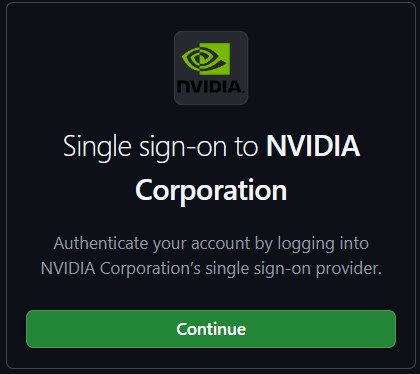
Nvidia is a GitHub Enterprise customer with around 36,000 employees. Their GitHub Enterprise instance enforces Microsoft SSO, so engineers authenticate through their corporate Microsoft account before accessing any repos.

Nvidia GitHub Enterprise Microsoft SSO login

Nvidia uses GitHub as the main place they publish and distribute the open source software tools they build for AI infrastructure. One of the ways they do this is through GitHub Packages, which is essentially a hosting service built into GitHub where you can publish software that other people and teams can then download and use. Rather than putting their tools on a separate download site, Nvidia publishes everything directly on GitHub where their developers already live.

The list of what they're publishing reads like a map of what Nvidia is actually shipping for AI infrastructure. There's a CUDA Quantum developer environment that has been pulled over 5.6 million times, a plugin that lets Kubernetes clusters see and use NVIDIA GPUs, and a GPU Operator that automates driver installation across a cluster rather than requiring someone to do it manually on each machine.

Nearly every engineering team uses GitHub as the operational layer for building, testing, and releasing software, not just for storing code. Their TensorRT-LLM team has dedicated engineers whose job is specifically to maintain the automated pipelines that run every time code is submitted, making sure builds and tests happen without manual intervention.


Siemens logo Siemens

Industrial Technology · Munich, Germany

GitHub Enterprise GitHub Copilot GitHub Actions

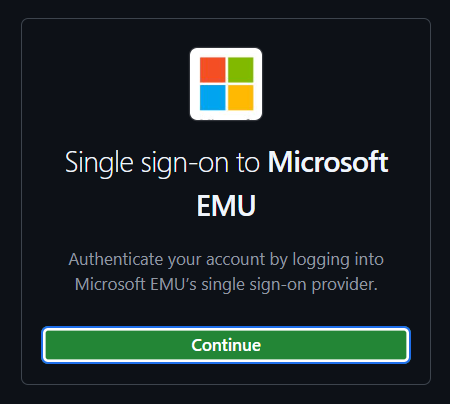
Siemens is a GitHub Enterprise customer with around 300,000 employees globally. Their GitHub Enterprise instance enforces Microsoft SSO login, so engineers authenticate through their corporate Microsoft account before accessing any repos.

Siemens Energy GitHub Enterprise login enforcing Microsoft SSO

They have over 200 open source repositories on GitHub across industrial software, design systems, and tooling. One of the more interesting examples is their EFI Boot Guard repository. EFI Boot Guard is a bootloader, meaning it's the software that runs before the operating system starts up on a device. Getting it wrong can brick the hardware, so correctness across different chip architectures matters a lot.

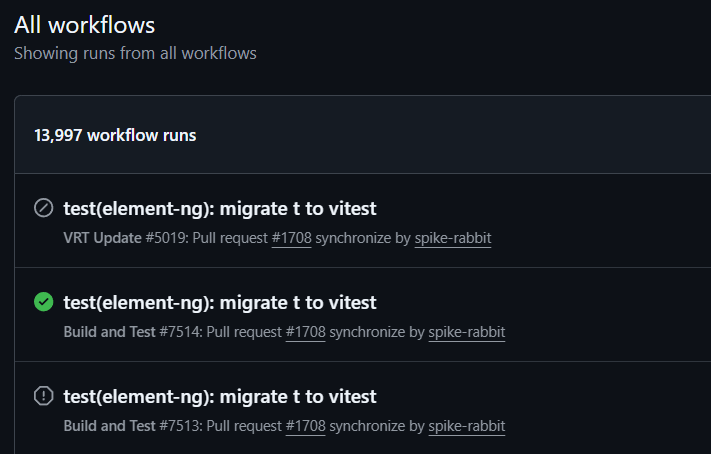
Their GitHub Actions workflow for that project builds and tests the code across five hardware architectures simultaneously: amd64, i386, arm64, arm, and riscv64. Every time someone submits a change, GitHub Actions automatically verifies it works on all five before anything gets merged.

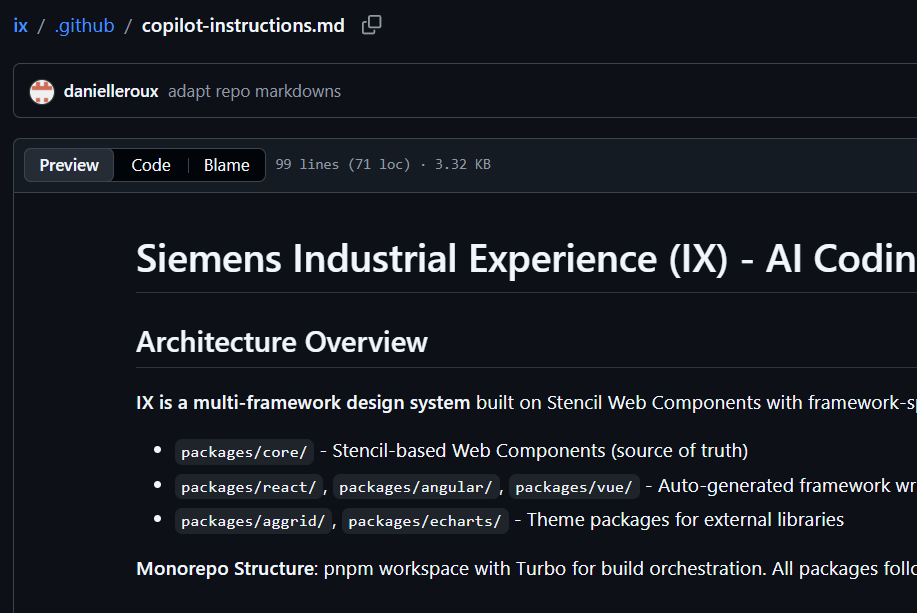
Siemens element repository GitHub Actions on GitHub

They've also wired Coverity into that same workflow. Coverity is a code scanning tool used in safety-critical software development to catch security vulnerabilities before they ship. Rather than running it as a separate manual process, it fires automatically as part of the GitHub Actions workflow, with results sent directly to the Synopsys platform. Credentials are stored as GitHub secrets so nothing sensitive is exposed in the code. It's a clean example of GitHub Actions being used not just for building and testing, but as the delivery mechanism for third-party security tooling.

Finally, Siemens is also rolling out GitHub Copilot across their engineering workforce. Siemens Healthineers has active research projects built around it, exploring how far engineers can get by describing a software feature in plain language and having Copilot generate the working code from that description.


Instructure logo Instructure

Education Technology · Salt Lake City, UT

GitHub Enterprise GitHub Copilot GitHub Actions

Instructure is a GitHub Enterprise customer with around 2,200 employees. They make Canvas, the open-source LMS used by roughly 4,000 institutions across K-12, higher education, and corporate learning.

Instructure GitHub Enterprise Okta SSO login

Their GitHub Enterprise instance enforces Okta SSO, so engineers log in through their corporate Okta account before accessing any repos.

Instructure canvas-ios GitHub Actions

GitHub Actions is their standard CI/CD tool across all engineering, automating the process of building, testing, and deploying code every time a change is submitted. It runs alongside Jenkins across the organization. Beyond just build and test, their security team has wired additional checks into those same pipelines, including dependency scanning with Snyk and static code analysis, so vulnerabilities get caught during development rather than after code ships.

On top of that, Instructure has made GitHub Copilot a formal requirement rather than a suggestion. Engineers are expected to integrate AI coding tools into every aspect of their work, including writing new features, responding to incidents, and investigating production issues. Most companies encourage AI tool adoption; Instructure has made it part of the job description.


Simprints logo Simprints

Biometric Identity · Cambridge, UK

GitHub Enterprise GitHub Copilot GitHub Actions

Simprints is a nonprofit building biometric identity technology for use in low-resource healthcare and aid settings. Their flagship product is the Android-Simprints-ID app, which integrates fingerprint and face scanning directly into health worker workflows in the field.

Simprints GitHub Enterprise Google SSO login

Their GitHub Enterprise instance enforces Google SSO, so engineers authenticate through their corporate Google account before accessing any repos.

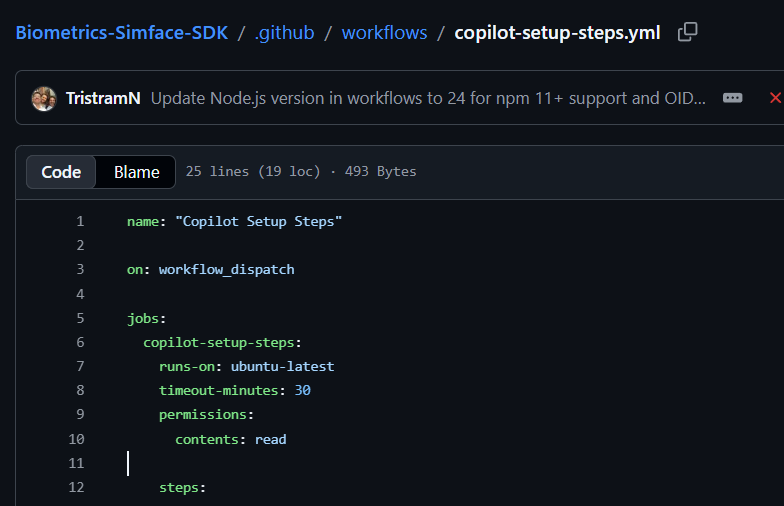
Simprints Biometrics-Simface-SDK Copilot setup steps on GitHub

They're also on GitHub Copilot. Their Biometrics-Simface-SDK uses a copilot-setup-steps.yml GitHub Actions workflow to pre-provision Copilot's environment before it starts writing or reviewing code: Node.js 24, frontend dependencies, and a separate install pass for the demo app.

On the main Android-Simprints-ID repo, GitHub Actions handles a multi-stage deploy pipeline with separate workflows for dev, internal, and release tracks. Copilot code review runs on every PR, and a Copilot coding agent is enabled so it can be assigned issues and open PRs directly.


Thales Group logo Thales Group

Defense & Technology · Paris, France

GitHub Enterprise GitHub Copilot GitHub Actions

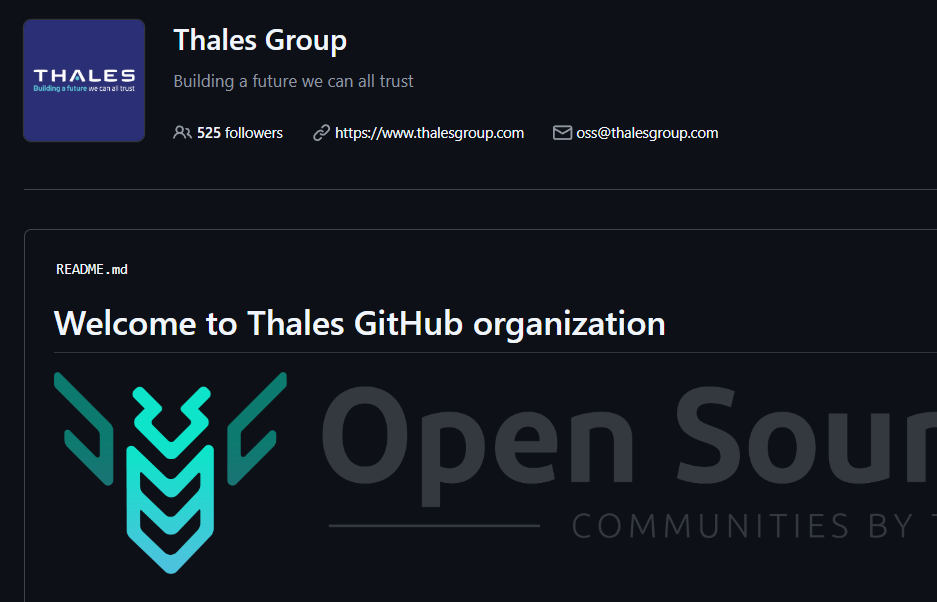
Thales Group is a GitHub Enterprise customer with around 77,000 employees and over 300 public repositories on GitHub spanning defense systems, cybersecurity tooling, formal verification, ML frameworks, and cryptography infrastructure.

Thales Group Fred Copilot instructions on GitHub

Thales uses GitHub Copilot, and their Fred repository has a detailed Copilot instructions file that sets strict defaults for how engineers should work in the codebase: keep things simple, don't over-engineer, run quality and test checks on every change. It also tells Copilot to read four internal architecture docs before touching anything, so it has enough context to work within their existing system rather than inventing its own patterns.

They use GitHub Actions for CI on the Fred repository. Every PR triggers three workflows: a Docker image build, a CodeQL security scan, and a PR validation check. The Docker build pushes to a dev registry on every PR, not just on merges, so every branch under review has a deployable image. Copilot code review also runs on every PR automatically.


Nokia logo Nokia

Telecommunications · Espoo, Finland

GitHub Enterprise GitHub Copilot GitHub Actions

Nokia is a GitHub Enterprise customer with around 86,000 employees. They have over 600 public repositories on GitHub with a stated 20+ year history in open source, plus separate orgs for Nokia Bell Labs research and the Kubenet network automation community.

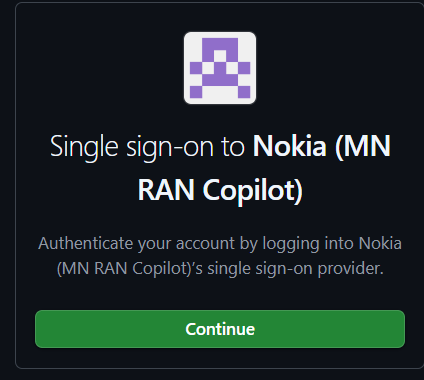
Nokia MN RAN GitHub Enterprise Microsoft SSO login

Their GitHub Enterprise instance enforces Microsoft SSO. The login page identifies the MN RAN team specifically, suggesting different business units run their own Enterprise instances rather than one company-wide org.

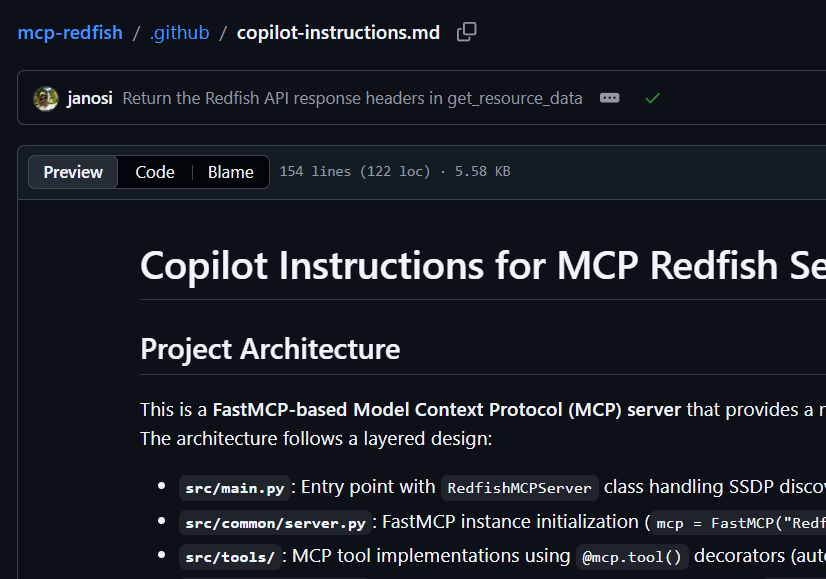
Nokia MCP Redfish Server Copilot instructions on GitHub

Nokia is on GitHub Copilot as well. Their MCP Redfish Server is one of Nokia's repos with a Copilot instructions file. It's a server that lets AI agents interact with networking infrastructure using plain language rather than raw API calls. The instructions document the full architecture so Copilot understands how the project is structured before writing any code.

Their Moler repository uses GitHub Actions for Python CI on every push, running tests across the library's network device communication stack.


MongoDB logo MongoDB

Database Software · New York, NY

GitHub Enterprise GitHub Copilot GitHub Actions GitHub Self-Hosted Runners

MongoDB is a GitHub Enterprise customer with around 5,500 employees, also using Cursor and Statsig across their engineering organization. They have 298 public repositories on GitHub: the database server, official drivers for Node.js, Go, Python, Ruby, and PHP, Kubernetes operators, Terraform and CloudFormation providers, plus a substantial labs org.

MongoDB Copilot instructions on GitHub

MongoDB uses GitHub Copilot, and their docs monorepo uses Copilot instructions to set different rules depending on which part of the repo you're in. The most interesting rule is in the code examples section: those utilities are used by technical writers, not engineers, so Copilot is told to keep everything as simple as possible. There's also one instruction in plain caps: do not print success messages when there are failing tests. Just fix them.

Their Terraform Atlas provider has over 49,000 GitHub Actions workflow runs. Every PR requires a changelog entry and a migration guide check before it can merge. There's also a full test suite that runs on a schedule and takes over an hour, plus a workflow that automatically updates the Atlas Go SDK when new versions are released.

To handle that volume, MongoDB runs self-hosted GitHub Actions runners rather than using GitHub's default servers. When you use GitHub's standard infrastructure, you're limited in terms of hardware, runtime, and cost. By running their own machines, MongoDB gets full control over the environment and can scale capacity to match the volume of builds and tests their repos generate - something that matters when you have 298 public repositories and test suites that run for over an hour.


Citrix logo Citrix

Enterprise Software · Fort Lauderdale, FL

GitHub Enterprise GitHub Copilot

Citrix is a GitHub Enterprise customer with around 10,000 employees. Their GitHub Enterprise instance enforces Okta SSO.

Citrix GitHub Enterprise Okta SSO login

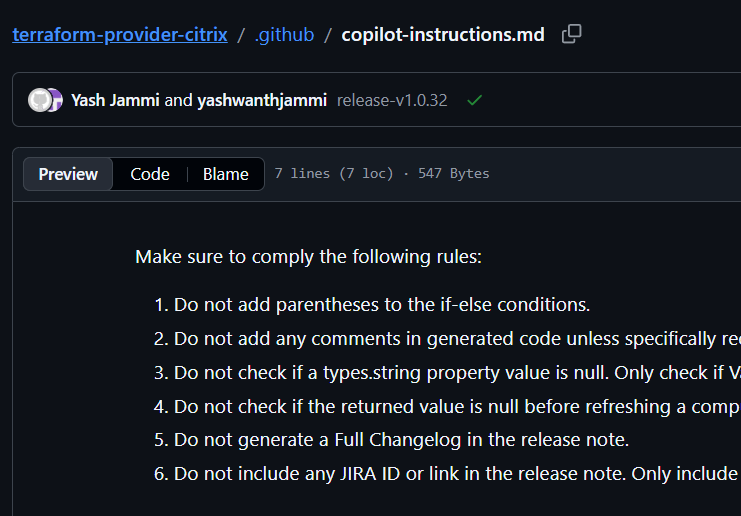
They're also a GitHub Copilot customer. Their terraform-provider-citrixadc repository has a Copilot instructions file that gives Copilot enough context to work on a Terraform provider for a networking product with its own proprietary API. Without that context, Copilot would generate generic Terraform patterns that don't match how the ADC actually works. Copilot has been rolled out broadly across engineering, from Android development to cloud security, rather than being limited to specific areas.

Citrix terraform-provider-citrixadc Copilot instructions on GitHub

GitHub also runs deeper into the organization than just engineering. Citrix's technical writers use it too, managing and publishing product documentation the same way engineers manage code: through GitHub, using Markdown files and pull requests. The same review and collaboration workflows that engineers use for code are also used for the documentation that ships alongside the product.


Home Depot logo Home Depot

Retail · Atlanta, GA

GitHub Enterprise GitHub Copilot GitHub Actions

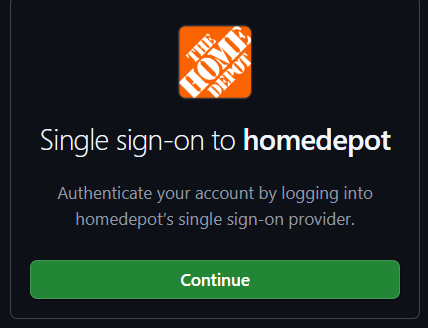
Home Depot is a GitHub Enterprise customer with around 500,000 employees. Their GitHub Enterprise instance enforces Microsoft SSO.

Home Depot GitHub Enterprise Microsoft SSO login

They use GitHub Actions as their standard CI/CD tool across engineering, running automated build, test, and deployment pipelines whenever code is submitted. Their cloud infrastructure runs on GCP, and GitHub sits at the center of how engineering manages everything from application code to infrastructure changes. GitOps is part of how they operate their cloud platform, meaning infrastructure changes go through the same Git-based review and approval process as any other code change.

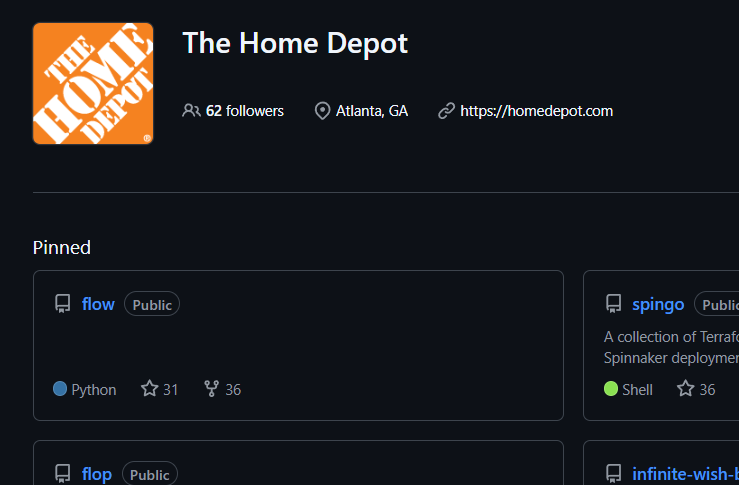
Home Depot GitHub profile

They also use GitHub Copilot. Their trainer repository has a Copilot instructions file that's almost entirely about one thing: stopping Copilot from generating Go code that won't compile. Go is a programming language with strict rules about how files have to be structured, and the instructions also ban several patterns that look like they'd work but quietly break in practice - the kind of guardrails you add after watching an AI confidently produce something that falls apart the moment you actually run it.


Morgan Stanley logo Morgan Stanley

Financial Services · New York, NY

GitHub Enterprise GitHub Copilot GitHub Actions

Morgan Stanley is a GitHub Enterprise customer with around 80,000 employees globally. For a bank their size, having 50 public open source repositories is notable. They cover a range: C++ low-latency profiling tools, a Kafka client API, Python testing frameworks, TypeScript desktop container libraries, and FDC3 financial data standards. There's a dedicated Open Source Programs Office managing the org.

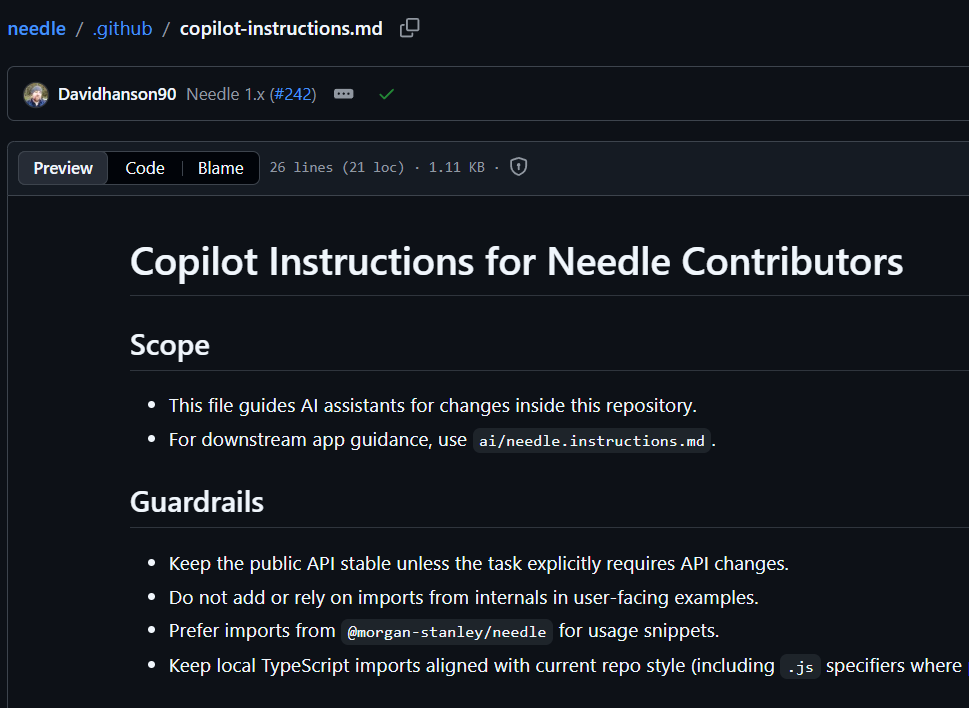
Morgan Stanley Needle Copilot instructions on GitHub

They use GitHub Copilot, and their Needle repository, a TypeScript dependency injection library, uses it to help contributors work within strict quality standards: a defined validation sequence before any PR, and rules that stop Copilot from touching auto-generated files. Copilot use at Morgan Stanley extends well beyond software engineering - it shows up in trade surveillance, regulatory reporting, and wealth management, which is notable for a heavily regulated firm where you might expect more caution around AI tooling in sensitive areas.

The GitHub Actions setup reflects the fact that this is a bank publishing open source tooling. Every push runs an OpenSSF Scorecard scan, which grades the repo's security posture for anyone considering using it as a dependency. There's also a matrix that tests compatibility across multiple TypeScript versions, and CodeQL for code analysis.


HashiCorp logo HashiCorp

Infrastructure Software · San Francisco, CA

GitHub Enterprise GitHub Copilot GitHub Actions

HashiCorp is a GitHub Enterprise customer known for Vault, Terraform, and the broader infrastructure-as-code ecosystem. Their Vault repository has 35k stars and one of the more structured GitHub Copilot setups we've seen.

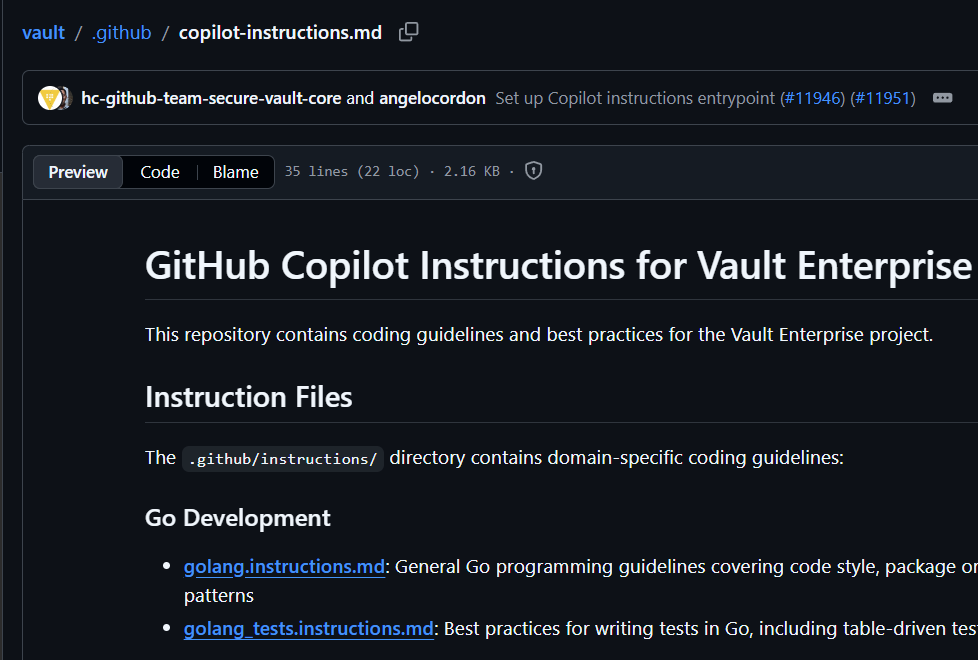
HashiCorp Vault Copilot instructions on GitHub

Rather than one instructions file for the whole repo, Vault uses separate Copilot instruction files for each part of the codebase: Go, Go tests, Ember.js, templates, styles, and so on. Each file only applies to the relevant file types. The practical benefit is that Copilot gets precise, relevant guidance wherever it's working rather than a generic brief it has to interpret.

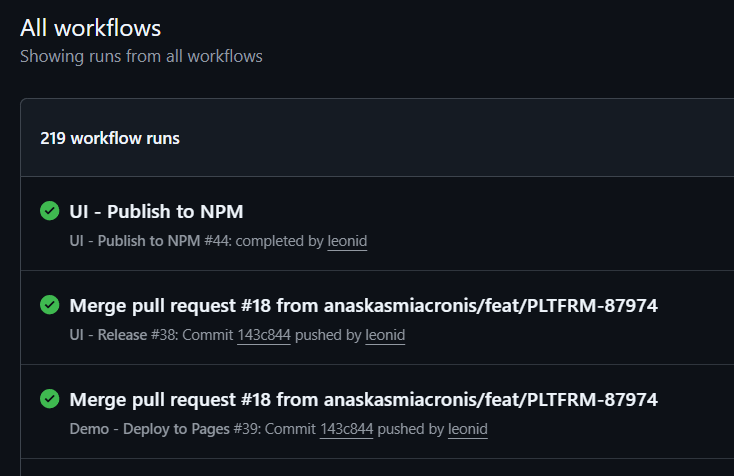
The Vault Actions setup reflects the scale of an open source security project with 35k stars and 104,000+ workflow runs. Every PR enforces changelog, milestone, and copyright header checks before merge. There's also an automated backport assistant that handles cherry-picking fixes across the OSS and Enterprise branches.


Acronis logo Acronis

Cybersecurity & Data Protection · Schaffhausen, Switzerland

GitHub Enterprise GitHub Copilot GitHub Actions

Acronis is a GitHub Enterprise customer with around 1,900 employees. They make backup, disaster recovery, and endpoint security software, and GitHub Enterprise sits at the center of how they operate - listed as a core tool alongside Kubernetes, Ansible, Datadog, and PagerDuty for the engineers keeping their cloud platform running. They have over 20 open source repositories on GitHub covering SDKs, integrations, and UI tooling.

Acronis shadcn-uikit Copilot instructions on GitHub

They're also on GitHub Copilot. Their shadcn-uikit repository - a React component library they open sourced - has Copilot instructions detailed enough to double as an onboarding guide: testing setup, component conventions, and how the workspace is structured. The most notable rule is a safety one: Copilot is not allowed to run any command that installs dependencies or mutates state without explicit approval first.

Acronis shadcn-uikit GitHub Actions on GitHub

GitHub Actions handles the full release pipeline: build, lint, type checks, tests, and separate workflows for publishing to npm and deploying the Storybook documentation site.


Atlassian logo Atlassian

Enterprise Software · Sydney, Australia

GitHub Enterprise GitHub Actions GitHub Pages

Atlassian is a GitHub Enterprise customer with around 12,000 employees. Their GitHub Enterprise instance enforces Okta SSO. Worth noting that Atlassian makes Jira, Bitbucket, and Confluence, their own competing products, yet uses GitHub Enterprise internally.

GitHub Actions is their standard CI/CD tool across engineering. Two of their public repositories show what that looks like in practice.

Their atlascode repository is the official Atlassian VS Code extension, which brings Jira and Bitbucket directly into the IDE. GitHub Actions publishes a nightly build automatically every day. The releases page shows hundreds of consecutive nightly builds tagged and shipped without manual intervention, a good example of using GitHub Actions to maintain a daily release cadence for a developer tool.

Their pragmatic-drag-and-drop repository (12.5k stars) shows another pattern: commits to the public GitHub repo come from a one-way-sync bot, meaning the actual development happens in Atlassian's internal monorepo and changes are pushed out to GitHub automatically.


Teradata logo Teradata

Data & Analytics · San Diego, CA

GitHub Copilot GitHub Actions GitHub Pages

Teradata is a GitHub customer with around 6,000 employees. They use GitHub to host their developer portal, which covers quickstarts, documentation, downloads, and community resources for their Vantage data platform. The portal is built with Docusaurus and deployed via GitHub Pages, meaning every code change automatically publishes to the live site.

Teradata developer portal

Their Covalent repository is their open source Angular UI component library with 2.2k stars. Every PR runs Chromatic for visual regression testing, catching unintended component changes before merge. Every commit to main triggers an automatic release and deploys the updated docs to GitHub Pages.

Teradata also uses GitHub Copilot across engineering. What's notable is where it shows up: not just in general software development, but specifically in their AI platform and cloud infrastructure work, where engineers are expected to use it as part of their standard development process.


Ticketmaster logo Ticketmaster

Entertainment & Ticketing · Beverly Hills, CA

GitHub Teams GitHub Actions GitHub Pages

Ticketmaster is a GitHub Teams customer with around 7,000 employees. Like Teradata, they use GitHub to host their developer portal, which covers their Discovery API, Webhooks, and partner SDKs for third-party developers building on top of the Ticketmaster platform.

Ticketmaster developer portal

Their iOS SDK repository uses GitHub Actions in a simple but clean way: every time a new release is published on GitHub, Actions automatically deploys the updated SDK documentation to GitHub Pages. The docs always reflect the latest release without anyone having to manually trigger a deploy.

What is the market share of Github in the code hosting market?

We tracked daily installs over the last 30 days for the official VS Code extensions of each major code hosting platform. Here is what the data shows.

How we figured this out

Figuring out which code hosting platform a company uses is harder than it sounds. Checking for links on company homepages misses any company that uses GitHub privately. Looking for github.com/orgname links skews toward open source and developer-facing companies and ignores everyone using it internally. Job postings are an alternative proxy too, but lots of companies never mention what they use for code hosting (or if they do, they mention it as part of a huge laundry list of skills).

VS Code extension installs are imperfect too. We tracked daily installs over the last 30 days for three extensions: GitHub Pull Requests, the GitLab workflow extension, and the Atlassian extension. GitHub's extension comes pre-suggested in many VS Code setups, which likely inflates its numbers somewhat. But of all the available proxies, daily install rates across the three official extensions is the closest thing to an apples-to-apples comparison we could find.

The Results

GitHub82.5%  ·  18,941 installs/day
GitLab11.7%  ·  2,687 installs/day
Atlassian / Bitbucket8.0%  ·  1,832 installs/day

GitHub holds an 82.5% share of daily installs. That kind of dominance is hard to overstate. GitHub became the default a long time ago and the network effects have only compounded since. Every open source project, every developer portfolio, every job posting that says "check out our GitHub" has reinforced it.

GitLab's 11.7% is stronger than its public reputation suggests. It has carved out a real niche among companies that want self-hosted infrastructure, tighter CI/CD integration, or more control over their data. Regulated industries, European companies with data residency requirements, and larger engineering teams running their own infrastructure tend to land on GitLab.

The Atlassian number is the hardest to read cleanly. Their VS Code extension bundles Jira and Rovo Dev alongside Bitbucket, so a chunk of those 1,832 daily installs are Jira users who may not use Bitbucket at all. Bitbucket's true share is probably closer to 4 to 5%. It survives largely on Atlassian lock-in. Companies already deep in Jira tend to end up there.

What about Gitea, Forgejo, and self-hosted alternatives?

Niche platforms like Gitea and Forgejo don't have official VS Code extensions, so they don't show up in this analysis at all. They are popular in certain self-hosted and open source circles but their overall footprint is almost certainly well under 1%. They are not moving the needle on market share.

Analysis based on average daily VS Code extension installs over the 30 days ending April 2026, sourced from the Visual Studio Marketplace. Data collected and analyzed by Bloomberry.com.

Alternatives and Competitors to GitHub Enterprise

Explore vendors that are alternatives in this category

Cloudflare Workers Cloudflare Workers Vercel Pro Vercel Pro Bitrise Bitrise Jfrog Jfrog Cloudsmith Cloudsmith DigitalOcean DigitalOcean Gitlab Gitlab Jenkins Jenkins Google Cloud Google Cloud Oracle Cloud Oracle Cloud Azure Devops Azure Devops Verified Github Organization Verified Github Organization Azure Azure AWS AWS GitHub Enterprise GitHub Enterprise Azure App Service Azure App Service Windows Server Windows Server Github Github

Loading data...