Companies that use AWS WAF
Analyzed and validated by
Henley Wing Chiu
·
Updated

⏱️ Data is delayed by 1 month. To show real-time data, sign up for a free trial or login
| Company | Employees | Industry | Country | Region | Usage Start Date | |
|---|---|---|---|---|---|---|
 Editions Belin Education
|
201–500 | Book and Periodical Publishing |
France
|
Europe | 2026-09-18 | |
 Ars Technica
|
11–50 | Online Audio and Video Media |
United States
|
North America | 2026-09-18 | |
 ALL's
ALL's
|
51–200 | Retail Apparel and Fashion |
Brazil
|
South America | 2026-09-18 | |
 Amazon
|
10,001+ | Software Development |
United States
|
North America | 2026-09-17 | |
 INMAGINE (123RF)
|
51–200 | Technology, Information and Internet |
Malaysia
|
Asia | 2026-09-17 | |
 Hotel Corallaro 4 stelle nel cuore del centro storico di Santa Teresa Gallura
|
2–10 | N/A |
Italy
|
Europe | 2026-09-17 | |
 Club Hotel Torre Moresca
|
2–10 | N/A |
Italy
|
Europe | 2026-09-17 | |
 Le Residenze del Maria Rosaria | Orosei - Sardegna
|
2–10 | N/A |
Italy
|
Europe | 2026-09-17 | |
 Grand Hotel President Olbia
|
2–10 | N/A |
Italy
|
Europe | 2026-09-17 | |
 Hotel Piccolo Pevero - Hotel 3* fronte spiaggia Porto Cervo
|
2–10 | N/A |
Italy
|
Europe | 2026-09-17 | |
 Hotel Rurale & Spa Orti di Nora - Ospitalità, Natura e Benessere
|
2–10 | N/A |
Italy
|
Europe | 2026-09-17 | |
 Oasi Blu Sardinia
|
11–50 | Hospitality |
Italy
|
Europe | 2026-09-17 | |
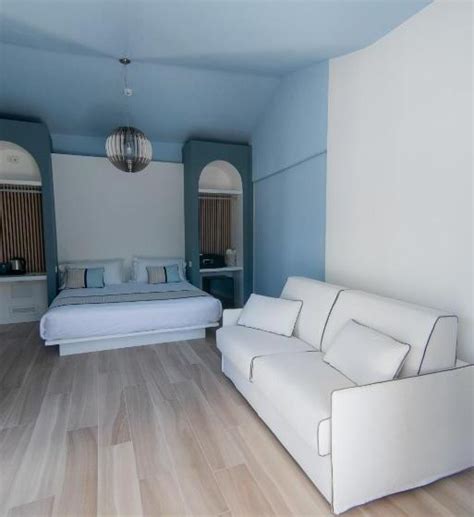 Hotel New Barcavela - A Pula in Sardegna
|
2–10 | N/A |
Italy
|
Europe | 2026-09-17 | |
 Hotel Nettuno Cala Gonone | Relax e mare nel Golfo di Orosei
|
2–10 | N/A |
Italy
|
Europe | 2026-09-17 | |
 MuMA Hostel
|
11–50 | Hospitality |
Italy
|
N/A | 2026-09-17 | |
 Hotel Monte Pirastru - Immerso nella Natura del Nord Sardegna
|
2–10 | N/A |
Italy
|
Europe | 2026-09-17 | |
 Margaida Hotel Boutique & Spa - Sogno e relax a Cala Gonone
|
2–10 | N/A |
Italy
|
Europe | 2026-09-17 | |
 Madama Garden Retreat
|
2–10 | N/A |
Italy
|
Europe | 2026-09-17 | |
 Hotel Il Querceto: il tuo rifugio a Dorgali, Sardegna
|
2–10 | N/A | N/A | N/A | 2026-09-16 | |
 Villa Fanny | Boutique Hotel di Charme a Cagliari Centro
|
2–10 | N/A |
Italy
|
Europe | 2026-09-16 |
Showing 1-20
New Users (Companies) Detected Over Time
i
Market Insights
🏢 Top Industries
📏 Company Size Distribution
Alternatives and Competitors to AWS WAF
Explore vendors that are alternatives in this category
 F5 Distributed Cloud
 Oracle WAF
 Indusface
 TollBit
 Cloudflare Enterprise
Cloudflare Turnstile
F5 BIG IP
Cloudflare Enterprise
Cloudflare Turnstile
F5 BIG IP
 PerimeterX
 Google Cloud Load Balancer
 Barracuda WAF
 Spur
HumanSecurity
Spur
HumanSecurity
 Fastly Bot Management
 Akamai Bot Manager
 Imperva WAF
 Sucuri
AWS Application Load Balancer
Sucuri
AWS Application Load Balancer
 Azure Application Gateway
 Radware Cloud WAF
 Netscaler
AWS Application Load Balancer for Backend Services
Imperva Advanced Bot Protection
Netscaler
AWS Application Load Balancer for Backend Services
Imperva Advanced Bot Protection
 Kasada
Fastly Next Gen WAF
Kasada
Fastly Next Gen WAF