We detected 90 companies using tabnav and 6 customers with upcoming renewal in the next 3 months. The most common industry is Retail (13%) and the most common company size is 2-10 employees (32%). We find new customers by detecting JavaScript snippets or configurations on customer websites.
The count of new companies shown here may differ from the total in the table above. This is intentional. We apply a consistent baseline to ensure month-over-month comparisons are apples-to-apples rather than affected by when data was first collected.
Loading trends...
No trend data available for this vendor.
Market Insights
🏢 Top Industries
Retail10 (13%)
Software Development6 (8%)
Hospitals and Health Care4 (5%)
IT Services and IT Consulting4 (5%)
Computer and Network Security3 (4%)
📏 Company Size Distribution
2-10 employees28 (32%)
11-50 employees20 (23%)
51-200 employees18 (21%)
201-500 employees16 (18%)
501-1,000 employees3 (3%)
👥 What types of companies use tabnav?
Source: Analysis of Linkedin bios of 90 companies that use tabnav
Company Characteristics
i
Shows how much more likely tabnav customers are to have each trait compared to all companies. For example, 2.0x means customers are twice as likely to have that characteristic.
Trait
Likelihood
Company Size: 51-200
6.0x
Country: United States
3.3x
I noticed that tabnav customers span a surprisingly diverse range of industries, but they share a common thread: they're operational businesses providing tangible services or products. These aren't software startups or digital-first companies. Instead, I'm seeing IT service providers and network groups (Micso, SYNAXON), manufacturing firms (Euscher making precision metal parts), logistics operations (Dettmer Gruppe), workforce services (WorkOne), and utility comparison platforms. They're building physical infrastructure, managing supply chains, or connecting people with essential services.
My analysis shows these are established, mature businesses. The employee counts range from 11 to over 1,000, with several in the 200-500 range. Notably, none list venture funding stages or recent funding rounds. Euscher mentions years of experience, and Dettmer was founded in 1947. SYNAXON describes itself as "die größte IT-Verbundgruppe Europas" with over 3,300 partners. These aren't startups figuring out product-market fit. They're operational companies with decades of history.
🔧 What other technologies do tabnav customers also use?
Source: Analysis of tech stacks from 90 companies that use tabnav
Commonly Paired Technologies
i
Shows how much more likely tabnav customers are to use each tool compared to the general population. For example, 287x means customers are 287 times more likely to use that tool.
I noticed something interesting about companies using tabnav: they appear to be heavily focused on organic search and web presence optimization. With Google Search Console appearing 11.5 times more frequently than average, these companies are clearly invested in understanding and improving their search visibility. This suggests tabnav users are typically businesses that depend on discoverability and content-driven traffic for growth.
The overwhelming presence of Google Search Console makes perfect sense for tabnav users. If tabnav is a navigation or user experience tool, these companies are monitoring how visitors find their sites through search, then using tabnav to improve what happens once they arrive. They're connecting the dots between discovery and engagement, which tells me they understand that getting traffic is only half the battle. The conversion happens through better navigation and user experience.
My analysis reveals these are likely marketing-led organizations in growth or early scale stages. They're not yet at the enterprise level with complex sales operations, but they're sophisticated enough to care deeply about their web experience and search performance. These companies probably generate leads or revenue through their website directly, whether that's through content marketing, e-commerce, or product-led growth. They're investing in the technical infrastructure to understand user behavior and optimize accordingly.
Alternatives and Competitors to tabnav
Explore vendors that are alternatives in this category
 We detected 90 companies using tabnav and 6 customers with upcoming renewal in the next 3 months. The most common industry is Retail (13%) and the most common company size is 2-10 employees (32%). We find new customers by detecting JavaScript snippets or configurations on customer websites.
 DUNO
DUNO
 MIQR - Mitteldeutsches Institut für Qualifikation und berufliche Rehabilitation
 Mighty Mule
 Youth Connect South West
 Rayzone Group
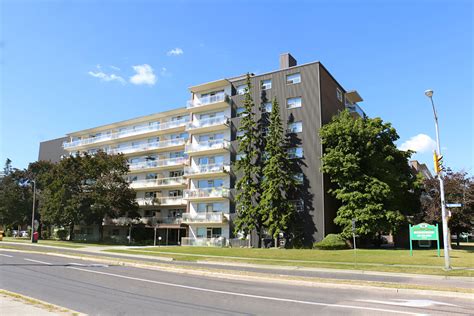 Three R Property Management
 Green Bay Thassos
 Prodalim
 Indian Accent New Delhi'
 RONY'S Jewelry
 Cybertech
 Second Online Shop
 Four Seasons Tree Care
 IDS - Tactical Gear, Conversion Kits & Military Equipment
 Hackensack Radiology Group
 Indbank Merchant Banking Services Ltd.
 Altair Semiconductor
 ista Express Service GmbH