Mobile Attribution and Marketing Analytics — Tel Aviv, Israel
Salesforce CRM
Salesforce Experience Cloud
AppsFlyer is one of the leading mobile attribution platforms, and they run several Salesforce products across their partner ecosystem and sales operations.
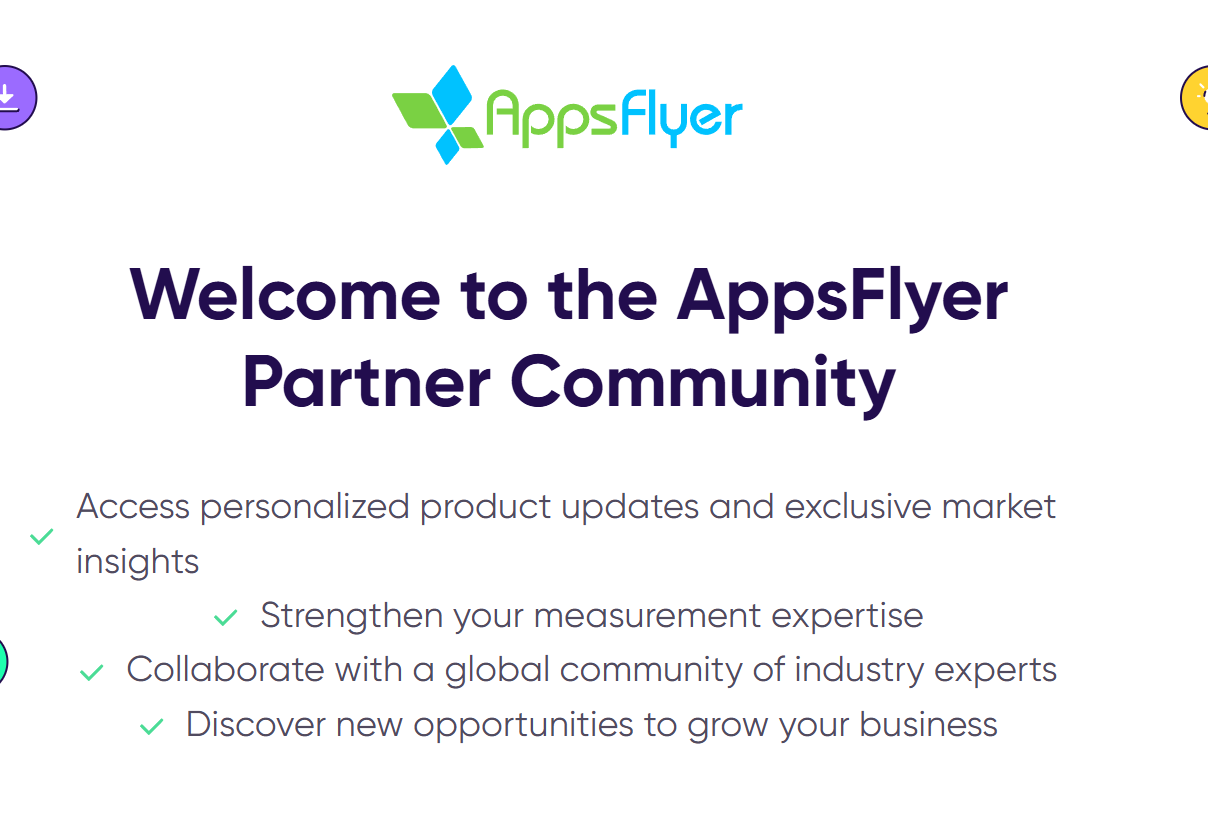
Salesforce Experience Cloud: Partner Community
AppsFlyer runs their Partner Community on Salesforce Experience Cloud. Partners log in to access personalized product updates, exclusive market insights, measurement training, and collaboration tools with a global network of industry experts.
Salesforce CRM: Sales Pipeline and Account Management
AppsFlyer's entire revenue team operates on Salesforce CRM, using it to track outreach activity, manage pipeline, forecast, and report on account progress. SDRs use it alongside Outreach and Gong to manage prospecting workflows, while Account Managers own pipeline forecasting and account tracking inside the platform. You can view AppsFlyer's Salesforce instance here.
Cybersecurity — Santa Clara, CA
Salesforce Sales Cloud
Salesforce CPQ
Salesforce Experience Cloud
Palo Alto Networks is one of the largest cybersecurity companies in the world, and their Salesforce footprint reflects the complexity of a global enterprise selling through both direct and partner channels.
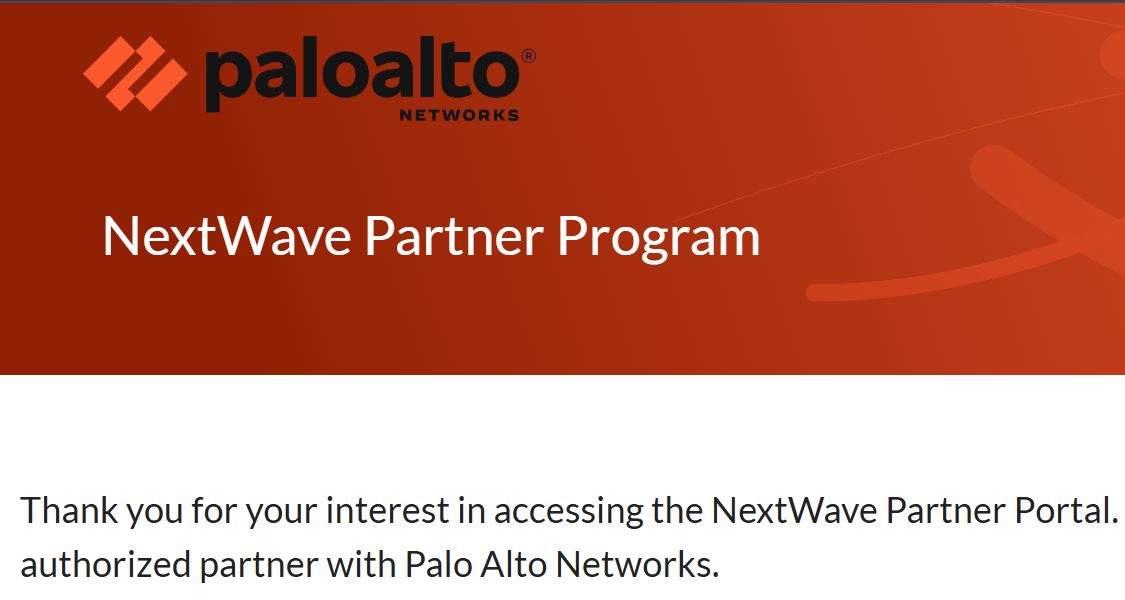
Salesforce Experience Cloud: NextWave Partner Portal
Palo Alto Networks runs their NextWave Partner Program portal on Salesforce Experience Cloud. The portal serves their global network of solution providers and resellers, giving partners access to deal registration, partner locator tools, enablement resources, and program management, all connected back to the same Salesforce CRM underneath. You can also view the NextWave partner program page here.
Salesforce CRM + CPQ: Quote-to-Cash Infrastructure
Palo Alto Networks runs a deeply customized Salesforce Sales Cloud and CPQ implementation covering opportunity management, territory management, forecasting, and quoting. CPQ handles precise tracking of customer install base and service contract details. Custom Apex integrates with SAP for order management and billing, making Salesforce the backbone of their entire quote-to-cash process. You can view Palo Alto Networks' Salesforce instance here.
Cloud Infrastructure — New York, NY
Salesforce Sales Cloud
Salesforce Service Cloud
Salesforce Experience Cloud
DigitalOcean is a cloud infrastructure platform serving developers and growing businesses, competing with AWS and Google Cloud in the developer-friendly segment of the market. Their go-to-market runs on a combination of Salesforce and HubSpot - Sales Cloud and Service Cloud as the CRM backbone, with HubSpot handling marketing automation alongside it.
Salesforce CRM: Sales, Support, and Marketing Operations
DigitalOcean runs Salesforce Sales Cloud, Service Cloud, and Experience Cloud across their sales, support, and marketing teams, with over 300 internal users. The org integrates with internal product APIs and ETL tools like Segment and Census, piping data into Snowflake. Admins manage databases spanning 10M+ records alongside tools including Groove, Gong, and LinkedIn Sales Navigator. You can view DigitalOcean's Salesforce instance here.
Gainsight: Customer Success Integration
DigitalOcean integrated Gainsight with Salesforce to give their Customer Success Managers a unified view alongside Sales and Support data. The integration keeps CSM activity, health scores, and account insights flowing between the two platforms in real time.
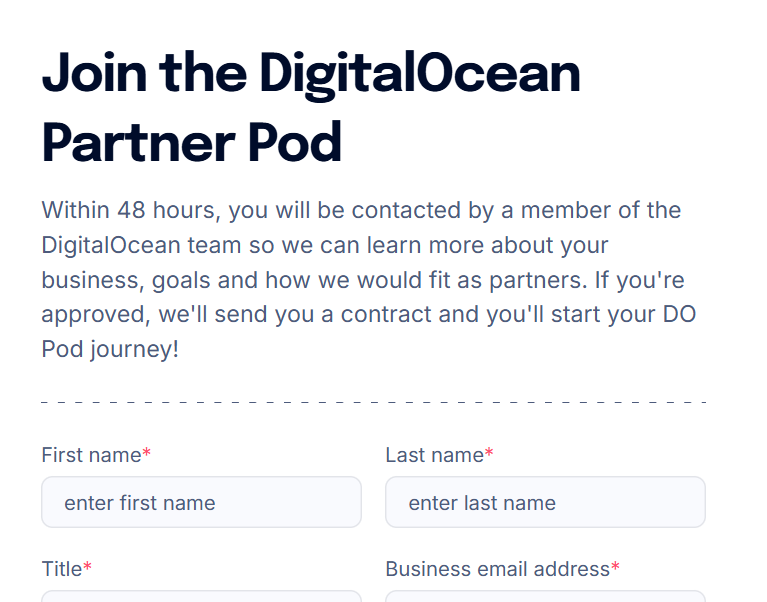
Salesforce Experience Cloud: Partner Portal
DigitalOcean runs their partner portal on Salesforce Experience Cloud, giving resellers and technology partners a dedicated hub connected back to the same Salesforce CRM underneath.
Sales Engagement & Revenue Intelligence — Atlanta, GA
Salesforce CRM
Salesforce CPQ
Salesforce Experience Cloud
Salesloft is a leading sales engagement platform used by thousands of revenue teams worldwide. Despite building their own sales tooling, their internal operations and customer support infrastructure sit on Salesforce.
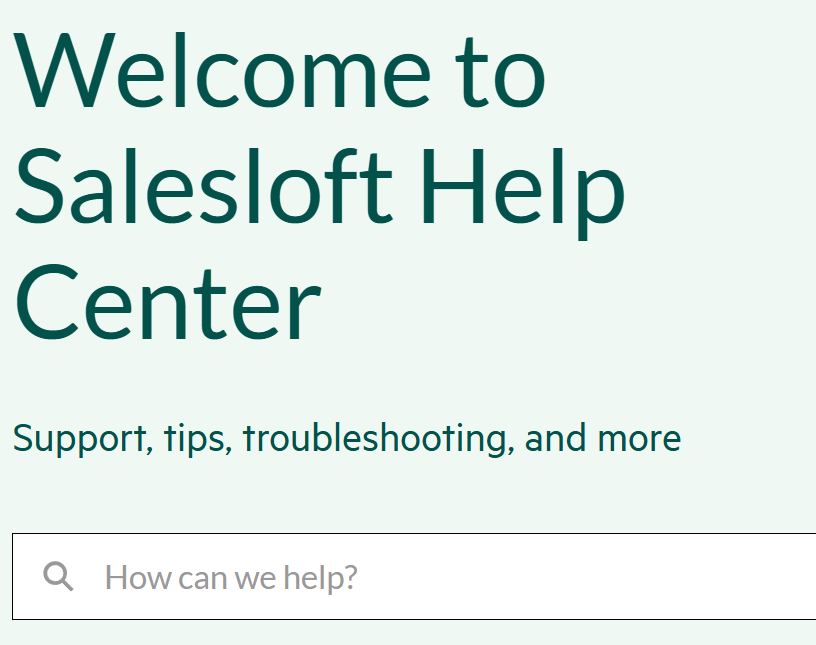
Salesforce Experience Cloud: Customer Support Center
Salesloft's customer support center is their second one. They migrated off Zendesk onto Salesforce Experience Cloud, and the old Zendesk KB now redirects here. The portal is organized into product-specific sections: Getting Started, User Guides, Admin Guides, Rhythm, Cadences + Tasks, People and Accounts, Dialer + Messenger, Email, and Salesloft Mobile. There is also a separate "Drift Knowledge" section, a remnant of their Drift acquisition.
Salesforce CRM + CPQ: Revenue Operations Infrastructure
Salesloft's entire revenue team operates on Salesforce CRM, with over 100 commissioned reps tracked through it. Their Revenue Operations team maintains a heavily customized instance with custom Apex code, Lightning Web Components, and complex Flow automation. They also use Salesforce CPQ, with dedicated engineers managing multi-dimensional quoting architecture and a direct CRM-to-ERP integration for revenue reporting and billing. You can view Salesloft's Salesforce instance here.
Unified Customer Experience Management (CXM) — New York, NY
Salesforce Sales Cloud
Salesforce CPQ
Salesforce Experience Cloud
Sprinklr makes enterprise software used by 60% of the Fortune 100 for social media, marketing, and contact center management. Internally, they run a large and deeply customized Salesforce org, managed by a dedicated GTM Systems team with its own Director-level leadership in Bangalore.
Salesforce CRM + CPQ: Lead-to-Revenue Infrastructure
Sprinklr's entire GTM motion runs on Salesforce Sales Cloud, with CPQ handling the full quoting and approval workflow across Leads, Contacts, Opportunities, Quotes, and Discounting. CPQ is treated as production-critical infrastructure, with dedicated QA engineers testing it each release cycle. The Salesforce platform is also subject to quarterly SOX compliance audits.
Salesforce Experience Cloud: Partner Portal
Sprinklr runs a partner portal on Salesforce Experience Cloud at sprinklr.my.site.com. Partner Community management is called out explicitly as a required skill for their senior Salesforce admin roles, suggesting it's a live and actively maintained portal.
Digital Accessibility & Content Intelligence — Minneapolis, MN
Salesforce CRM
Salesforce CPQ
Salesforce Experience Cloud
Pardot
Siteimprove is a global SaaS company helping organizations build accessible, high-performing digital experiences. Their Salesforce footprint covers CRM, CPQ, Pardot, and a customer-facing Experience Cloud community.
Salesforce CRM + CPQ: Quote-to-Cash
Siteimprove uses Salesforce as their global sales CRM, with 51-100 commissioned reps tracked through the platform. Their Deal Desk function manages the full quote-to-cash process in Salesforce, handling pricing, deal structures, renewals, and upsells. You can view Siteimprove's Salesforce instance here.
Pardot: Global Marketing Automation
Pardot powers B2B marketing automation across Siteimprove's global marketing organization. Field marketing teams in the US, UK, and Germany use it for campaign execution and lead nurturing back into Salesforce.
Salesforce Experience Cloud: Customer Community
Siteimprove runs a customer community portal on Salesforce Experience Cloud, giving customers a self-service hub for support, product documentation, and account management.
Retail — Atlanta, Georgia
Salesforce Sales Cloud
Salesforce Service Cloud
Salesforce Marketing Cloud
Salesforce CPQ
Home Depot is the world's largest home improvement retailer, with over 2,300 stores across the US, Canada, and Mexico. Most people think of it as a place to buy lumber and power tools. Behind the scenes, Salesforce touches several distinct parts of how they sell and operate.

Sales Cloud + CPQ: B2B and Pro Sales
Home Depot runs a serious B2B sales operation targeting professional contractors, property owners, and multi-family renovation customers. The outside sales and renovation sales teams use Salesforce to plan sales call activity, manage ongoing customer communications, and maintain pipeline, tracking accounts, contacts, leads, and opportunities across territories nationwide. CPQ sits on top of it for product and price rules, custom actions, and quoting for renovation projects and national accounts.
Marketing Cloud: Email Campaigns
Home Depot runs Salesforce Marketing Cloud Engagement for email marketing, building journeys, automations, and SQL-based data queries to manage campaign execution across their customer base.
Service Cloud: Customer Care
Home Depot runs Service Cloud for customer care, handling case management, omni-channel routing, and CTI integrations across their contact center operations. It connects to SAP via bi-directional integration.
Retail Media+: Ad Sales on Salesforce
Home Depot's Retail Media+ division, which sells advertising inventory on HomeDepot.com to vendors, runs its entire ad sales operation on Sales Cloud, using it to manage vendor relationships, pipeline, and campaign trafficking. Salesforce is also where media campaign needs get inputted and tracked alongside Workfront.
Internal Engineering Depth
Home Depot maintains a dedicated internal Salesforce engineering team writing custom Apex, Lightning Web Components, and REST/SOAP integrations, with CI/CD release management running through Copado. SOX compliance controls live directly inside the platform.
Retail — Pittsburgh, Pennsylvania
Salesforce Sales Cloud
Agentforce Media
Salesforce Data Cloud
Salesforce B2B Commerce
DICK'S Sporting Goods is the largest sporting goods retailer in the US, with over 800 stores and a growing digital business. Most people know them for sneakers and camping gear. What's less visible is that DICK'S runs two entirely separate Salesforce platforms serving two different parts of the business.
DICK'S Media: A Retail Media Platform on Salesforce
DICK'S Media is their retail media business, selling advertising inventory to brands that want to reach DICK'S shoppers. To run it, they built a dedicated CRM platform spanning Sales Cloud, Agentforce Media (formerly Media Cloud), and Data Cloud.
DICK'S Media runs its entire ad sales operation inside Salesforce. When a brand wants to advertise to DICK'S shoppers, the sales team uses Sales Cloud to manage the relationship, Media Cloud to handle the product catalog, pricing, and inventory, and OmniStudio to move deals through a custom workflow from first contact all the way to a signed media plan. The inventory side is genuinely sophisticated — the platform tracks which ad slots are available on any given day, manages reservations, and automatically releases capacity when deals fall through.
A dedicated engineering team builds and maintains the platform with custom Apex, Lightning Web Components, Flows, and CI/CD pipelines. They're also actively building Agentforce AI agents on top to automate operations further.
AD STARR: B2B Commerce
DICK'S runs a second Salesforce platform called AD STARR for their B2B wholesale business. It connects Salesforce to a SQL Server database via MuleSoft, with Data Cloud and B2B Commerce layered in. Salesforce Flows handle business process automation, and the platform surfaces sales KPIs, order data, and commerce analytics through custom reports and dashboards.
Two deployments, two business lines, built and maintained independently.
Athletic Footwear & Apparel — Boston, MA
Agentforce Commerce
Salesforce Service Cloud
Salesforce Experience Cloud
Salesforce CRM
New Balance is one of the more comprehensive Salesforce adopters in the athletic retail space, using Agentforce Commerce, Salesforce Experience Cloud, Salesforce Service Cloud, and Salesforce CRM.
Agentforce Commerce Cloud: 30+ Global Storefronts
New Balance's digital storefront runs on Agentforce Commerce (formerly Salesforce Commerce Cloud). The scale is significant: New Balance runs over 30 instances of newbalance.com globally across North America, EMEA, APAC, Japan, and China, all on Commerce Cloud. They also use Salesforce Einstein A/B testing within Commerce Cloud for on-site experimentation, running conversion rate optimization tests across their global storefronts.
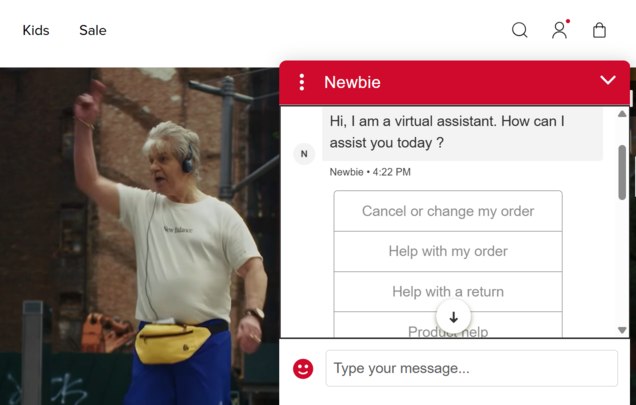
Salesforce Service Cloud + Agentforce Customer Chat
On newbalance.com, New Balance deploys a live chat widget powered by Salesforce Service Cloud and Agentforce. Before connecting shoppers to a live agent, the bot collects name, email, and order number, routing conversations intelligently based on business hours and agent availability.
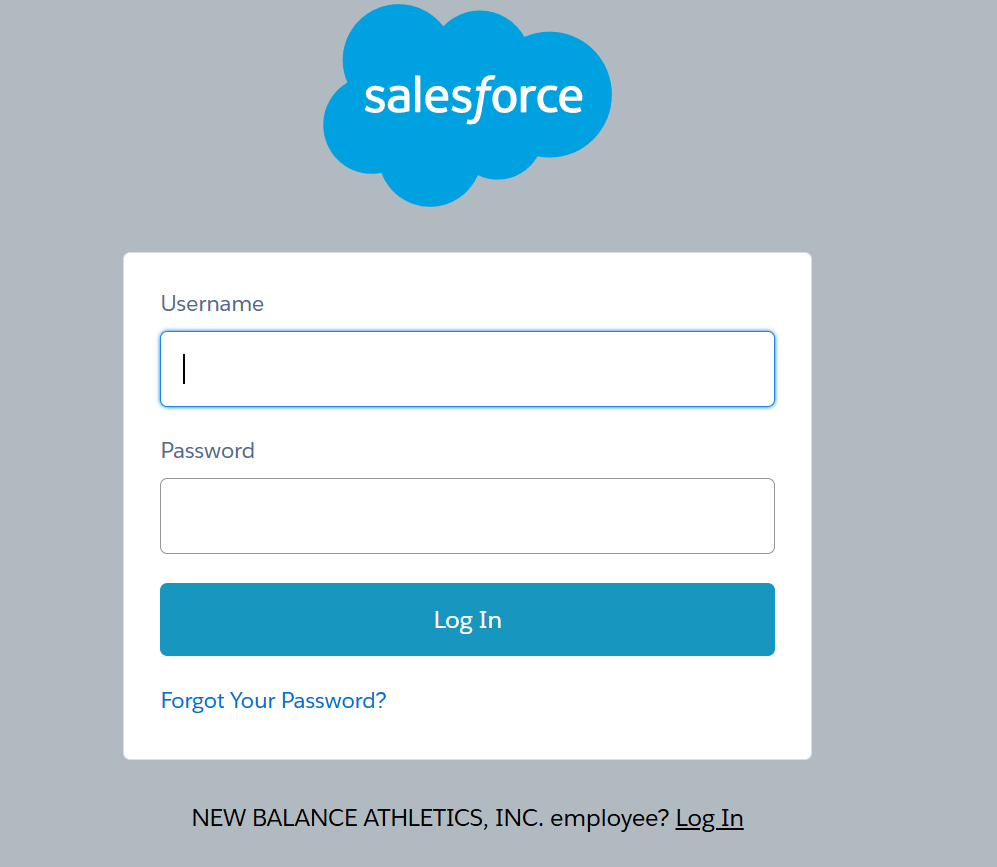
Salesforce Experience Cloud: B2B Dealer Portal
For their wholesale network, New Balance built a dedicated dealer portal on Salesforce Experience Cloud. Retail partners and dealers can log in, submit inquiries, and manage their relationship with New Balance digitally, all connected back to the same Salesforce CRM underneath. You can view their B2B portal built on Salesforce here.
Salesforce CRM: Finance and Internal Operations
Salesforce CRM is embedded across multiple functions at New Balance beyond ecommerce. Their finance team uses it for collections and accounts receivable workflows alongside their ERP, and their internal enablement team uses the Salesforce Knowledge Base to manage training content for customer service and sales teams. You can view New Balance's Salesforce instance here.
Consumer Electronics & Appliances — Needham, MA
Salesforce Service Cloud
Agentforce Commerce
Salesforce Order Management
Agentforce
SharkNinja, the company behind the Shark and Ninja product lines, has built one of the deeper Salesforce stacks in consumer electronics, spanning their commerce storefront, order management system, AI chat assistant, and customer support infrastructure.
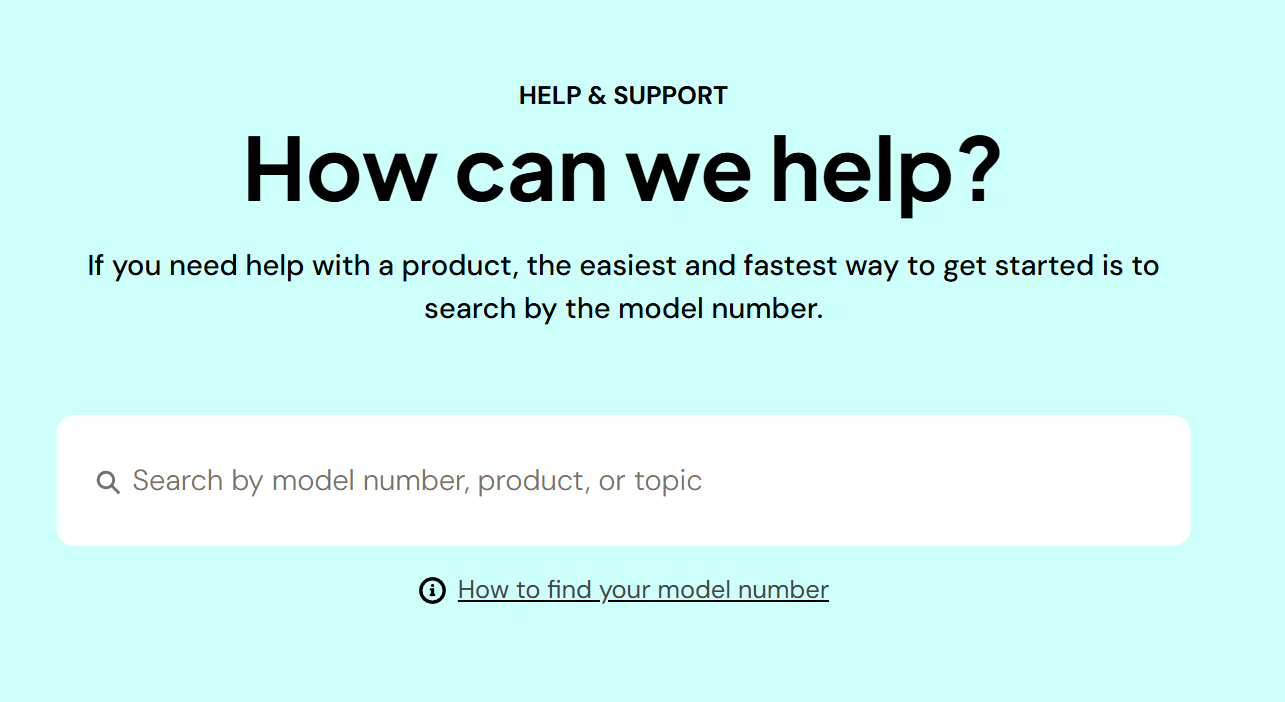
Salesforce Service Cloud: Help and Support Center
SharkNinja's customer support portal is built on Salesforce Service Cloud. Customers can search by model number, product, or topic to find help articles and troubleshooting guides, a self-service experience built on top of Salesforce's knowledge base infrastructure.
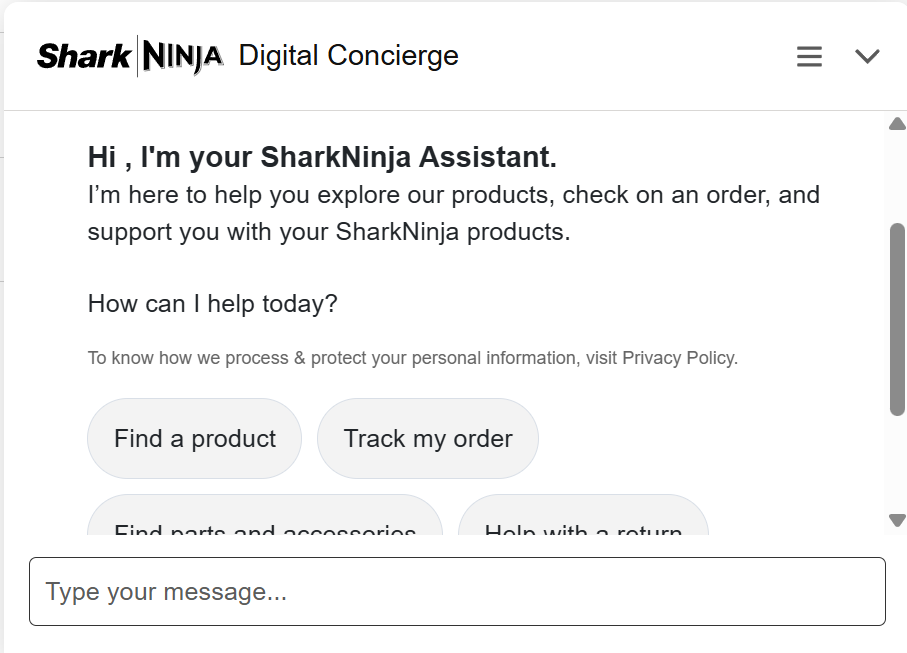
Agentforce: The SharkNinja Digital Concierge
On their site, SharkNinja deploys an AI chat assistant called the "Digital Concierge" powered by Agentforce. The bot greets customers by name, offers quick-reply options like "Find a product", "Track my order", "Find parts and accessories", and "Help with a return", and handles a wide range of post-purchase support tasks without needing a live agent.
Agentforce Commerce Cloud
SharkNinja's direct-to-consumer storefront is on Agentforce Commerce (formerly Salesforce Commerce Cloud), powering product discovery, cart, and checkout across both the Shark and Ninja brand storefronts.
Salesforce OMS: Post-Purchase Infrastructure
Beyond the storefront, SharkNinja uses Salesforce Order Management System to handle the full post-purchase lifecycle across the US, Canada, and Mexico. This covers order capture, fulfillment, payment processing, returns, and cancellations. The OMS is integrated with their ERP, payment gateways, shipping providers, and third-party logistics systems, with Oracle OIC as the middleware layer. Commerce Cloud, OMS, Service Cloud, and Agentforce are managed as one unified platform, with a dedicated product owner responsible for keeping the entire stack aligned around the consumer experience. You can view SharkNinja's Salesforce instance here.
Lease-to-Own Retail — Atlanta, GA
Agentforce Commerce
Salesforce Marketing Cloud Personalization
Aaron's is a leading lease-to-own retailer of furniture, electronics, and appliances, operating over 1,260 stores across 47 states and Canada. Their Salesforce stack spans commerce, marketing personalization, and web, and they have one of the most well-documented Salesforce success stories in the retail industry.
Agentforce Commerce Cloud: $220M+ in E-Commerce Revenue
Aaron's runs their e-commerce storefront on Agentforce Commerce (formerly Salesforce Commerce Cloud), hosting approximately 11,000 products with lease pricing, payment options, and total cost of ownership clearly displayed. According to a published Salesforce case study, Commerce Cloud has helped Aaron's grow their online channel to over $220 million in annual lease revenues, now accounting for over 18% of total Aaron's business.
Marketing Cloud Personalization (formerly Evergage)
Aaron's runs Salesforce Marketing Cloud Personalization on their website, with their Evergage beacon firing at aarons.us-7.evergage.com under the dataset name "aarons_production".
Hospitals and Health Care — Abbott Park, Illinois
Salesforce CRM
Salesforce CPQ
Salesforce Einstein
MuleSoft
Abbott is a global healthcare company with 115,000 employees and products spanning diagnostics, medical devices, nutrition, and pharmaceuticals. They sell to hospitals, clinics, pharmacies, and directly to patients across 160 countries. Running a commercial operation at that scale means a lot of Salesforce.

56+ Instances, One Center of Excellence
Abbott doesn't run one Salesforce org. They run over 56 of them. A dedicated Center of Excellence owns the architecture across all of them, setting enterprise standards, managing integrations with platforms like Veeva and Elma365, and rolling out Salesforce Einstein AI across divisions. They've also built out data localization solutions specifically to meet China's regulatory requirements, where data residency rules make a standard global deployment impossible.
Diabetes Care: Field Sales and Territory Management
Abbott's Diabetes Care division uses Salesforce as the backbone of its global field sales operation. The platform handles HCP account segmentation, territory alignment, coverage and frequency tracking, and incentive reporting for field teams. Salesforce feeds directly into Power BI dashboards that surface sales KPIs across the commercial organization, so managers can see what's happening in their territory without waiting for a weekly report.
Diabetes Care eCommerce: Salesforce + CloudSense
Abbott's Diabetes Care division built their eCommerce platform on Salesforce with CloudSense, a CPQ and order management app, handling product configuration, pricing, and orders. MuleSoft connects it to Adobe Experience Manager, payment providers, and shipping systems. It's not a simple storefront. It's a full commerce stack built inside Salesforce.
Hospitals and Health Care — New Brunswick, New Jersey
Salesforce Sales Cloud
Salesforce Service Cloud
Salesforce Health Cloud
Salesforce Experience Cloud
MuleSoft
Agentforce
Johnson & Johnson is one of the largest healthcare companies in the world, with products spanning pharmaceuticals, medical devices, and consumer health. Salesforce shows up across multiple divisions, each using it in a different way.

Shockwave Medical: Sales and Service Cloud
J&J acquired Shockwave Medical in 2024, a company that makes devices for treating calcified cardiovascular disease. Shockwave runs Sales Cloud and Service Cloud for their commercial operation, covering lead tracking, opportunity pipeline, quoting, case management, and territory management across 400+ users. The platform integrates with Oracle ERP via Boomi, and a dedicated internal engineering team builds and maintains it with custom Apex, LWCs, and CI/CD pipelines. They're also actively building Agentforce AI capabilities on top.
Janssen: A Patient Support Platform on Health Cloud
J&J's pharmaceutical division built a dedicated patient-facing platform on top of Salesforce Service Cloud, Health Cloud, and Experience Cloud called the Pharmacy Solutions Hub. Patient Specialists use it to manage patient service cases and support patients on Janssen drug therapies through call center operations. HIPAA compliance is baked directly into the architecture, and MuleSoft handles integrations with surrounding systems. Using Salesforce to run a pharmaceutical patient support program is a genuinely unusual deployment.
Hospitals and Health Care — Salt Lake City, Utah
Salesforce Sales Cloud
Salesforce Service Cloud
Salesforce Health Cloud
Salesforce Experience Cloud
Salesforce Marketing Cloud
Salesforce CPQ
MuleSoft
Intermountain Health is a nonprofit health system with 34 hospitals, 400+ clinics, and a health plan called SelectHealth that covers over one million members. Two parts of the organization use Salesforce in notably different ways.

SelectHealth: Health Insurance on Salesforce
SelectHealth runs a full Salesforce platform to manage its insurance operations. Sales Cloud, Service Cloud, Experience Cloud, and CPQ all run together, supported by a dedicated internal engineering team building custom Apex, LWCs, OmniStudio workflows, and MuleSoft integrations. The platform handles the full member and sales lifecycle, and the depth of the implementation is reflected in the fact that Health Cloud and OmniStudio certifications are specifically required for the engineers who maintain it.
Castell: Value-Based Care Analytics on Salesforce
Castell is Intermountain's separate value-based care company, working with ACOs, payers, and health systems to improve outcomes and reduce costs. They built their core analytics platform on Health Cloud, Experience Cloud, and Marketing Cloud, maintained by a dedicated scrum team with Copado handling deployments. Using Salesforce as the operational and analytics backbone for a value-based care business is an unusual deployment, and it reflects how far Health Cloud has pushed into clinical and population health use cases.
Hospitals and Health Care — Woonsocket, Rhode Island
Salesforce Health Cloud
Salesforce Marketing Cloud
Salesforce Sales Cloud
CVS Health is one of the largest healthcare companies in the US, operating over 9,000 pharmacies, the Aetna insurance business, and a growing care delivery network. Salesforce shows up across multiple divisions, each using it in a very different way.

Health Cloud: Clinical Care Meets Salesforce
CVS Health's Care Delivery division uses Health Cloud to manage how patients get connected to care, tracking leads, coordinating outreach, and managing the patient experience end to end.
What makes this interesting is that Salesforce connects directly to Epic, the software most major hospitals use to manage patient records. When a doctor updates a patient's record in Epic, Salesforce can see it in real time. Most companies use Salesforce to manage sales pipelines. CVS uses it to help coordinate care for actual patients.
Aetna: Marketing Cloud for Behavior Change
Aetna runs a Marketing Cloud operation with a goal that has nothing to do with selling more insurance. The idea is simple: if you can get a member to go for a preventive screening, take their medication consistently, or see a doctor before a small problem becomes a big one, healthcare gets cheaper for everyone.
To do that, Aetna uses Salesforce to send targeted messages across email, text, mail, and phone, timed and personalized based on each member's health situation. Then they measure whether the campaigns actually changed anything.
Aetna: Sales Flow 360
Aetna's field sales operation runs entirely through a Salesforce platform called Sales Flow 360. When a sales rep is putting together a quote for a new client, negotiating a renewal, or handing off a newly signed account to the implementation team, all of it happens inside this platform.
Healthcare Technology — Watertown, MA
Salesforce Service Cloud
Salesforce CPQ
Salesforce Marketing Cloud Personalization
Pardot
Agentforce
athenahealth is a cloud-based healthcare technology company serving over 67,000 medical practices across the US. Their Salesforce footprint spans service, chat, marketing personalization, and CRM, making them a strong example of a healthcare SaaS company running deep on the Salesforce platform.
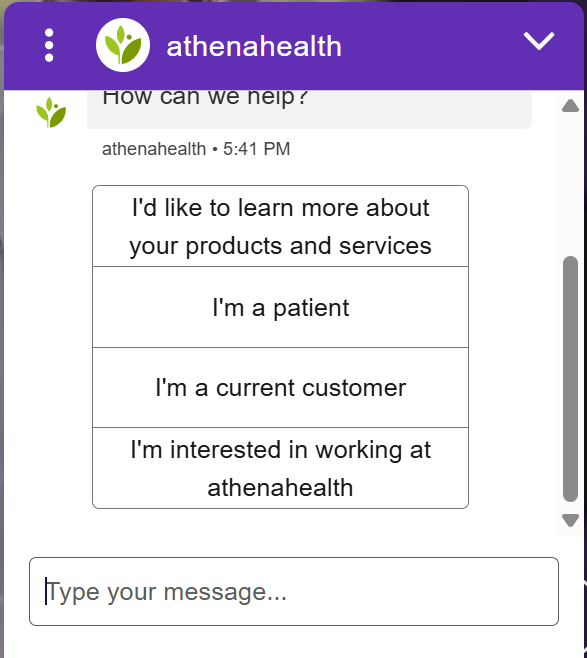
Salesforce Service Cloud + Agentforce Chat
On athenahealth.com, visitors are greeted by an Agentforce-powered chat widget running on Salesforce Service Cloud. The bot segments visitors by intent, offering options like "I'd like to learn more about your products", "I'm a patient", and "I'm a current customer".
Marketing Cloud Personalization (formerly Evergage)
athenahealth runs Salesforce Marketing Cloud Personalization on their website. The JavaScript beacon tracks visitor behavior in real time, including pages visited and session timing, to power personalized web experiences for prospects and customers based on what they have already seen and done on the site.
Pardot (Marketing Cloud Account Engagement)
athenahealth uses Salesforce Pardot for B2B marketing automation, handling lead nurturing, email campaigns, lead scoring, and routing qualified prospects to their sales team inside Salesforce CRM.
Salesforce CPQ: Quote-to-Cash for Healthcare SaaS
athenahealth uses Salesforce CPQ to manage how they price and sell their EHR software to medical practices. The implementation covers complex product bundles, price rules, validation rules, approval workflows, and document templates, covering the full quoting process for a multi-product healthcare SaaS company selling to 67,000+ practices. CPQ sits on top of their Sales Cloud org, meaning the entire journey from lead to signed contract to revenue runs through Salesforce.
Salesforce CRM: Internal Infrastructure
Underneath the marketing and service stack sits a Salesforce CRM org tying together sales, marketing, and customer data. You can view athenahealth's Salesforce instance here.
Financial Services — New York, New York
Salesforce Sales Cloud
Salesforce Service Cloud
Salesforce Experience Cloud
Agentforce
Morgan Stanley is one of the largest financial services firms in the world, with businesses spanning wealth management, investment banking, and asset management. Salesforce shows up across multiple divisions, each built out separately for different parts of the business.
Wealth Management CRM
Morgan Stanley's Wealth Management division runs multiple Salesforce orgs covering their retail, corporate, and digital direct channels. Financial advisors use it to manage client relationships, track opportunities, and handle onboarding and account opening. The contact center runs on top of it too.
What makes this interesting is the AI layer they're building on top. They're actively integrating Agentforce, OpenAI, and other AI models directly into the CRM to automate workflows and reduce manual work for advisors. Doing that inside a wealth management environment, where every client interaction carries regulatory and compliance weight, is a more complex problem than the average Salesforce AI deployment.

Morgan Stanley at Work
Morgan Stanley at Work is their workplace financial solutions business, selling equity compensation, financial wellness, and retirement programs to companies for their employees. To sell and manage those relationships, they built a dedicated Salesforce instance for the full B2B sales lifecycle.
Zuora CPQ handles quoting, Conga manages contract generation, and DocuSign closes the loop on signatures. The whole quote-to-cash process for a complex financial services product runs through Salesforce.
Financial Services — Pittsburgh, Pennsylvania
Salesforce Sales Cloud
Salesforce Service Cloud
PNC is one of the largest banks in the US, with over 2,300 branches and a major commercial banking operation serving corporations and institutions. Salesforce runs across two distinct parts of the business.
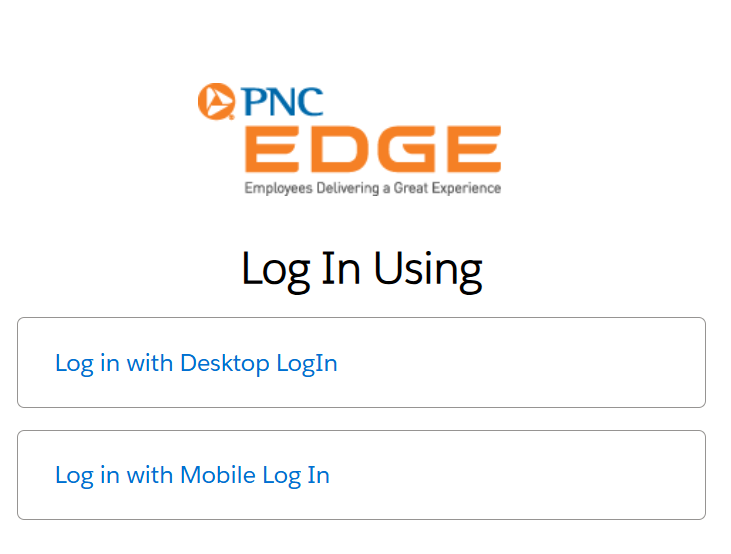
Retail Banking: Branches and Contact Center
When a customer walks into a PNC branch or calls customer support, the person helping them is working inside Salesforce. Branch bankers and contact center agents use it to pull up customer information, log interactions, manage cases, and route service requests.
It's not a back-office tool. It's the live interface that bank employees use while they're actively talking to customers.
Corporate and Institutional Banking
PNC runs a separate Salesforce instance for their commercial banking business, where the clients aren't individuals but companies, municipalities, and institutions. Relationship managers use it to track deals, manage pipelines, and handle servicing workflows for large commercial accounts.
The two deployments serve completely different audiences and are maintained by separate engineering teams, but both run on the same Salesforce platform underneath.
Technology, Information and Internet — San Francisco, California
Salesforce Sales Cloud
Salesforce Experience Cloud
Stripe is a financial infrastructure platform that powers payments and revenue operations for millions of companies, from early-stage startups to global enterprises. Salesforce shows up in two distinct parts of how they run their own business.
Seller Systems: The Enterprise Sales Platform
Stripe built a dedicated Salesforce platform called Seller Systems that runs their entire enterprise sales process. When a Stripe sales rep is working a deal, everything happens in one place: prospecting, deal modeling, pricing, approvals, contracts, onboarding, and activation.
They've built it as a hybrid of custom Stripe-built components and standard Salesforce capabilities, with AI layered on top to cut down on manual work and give reps more time actually selling. The goal is a single screen that covers the full journey from first conversation to a live customer.
But Stripe's Salesforce footprint doesn't stop at internal sales. They also use it to manage the external ecosystem of companies that build on top of their platform.
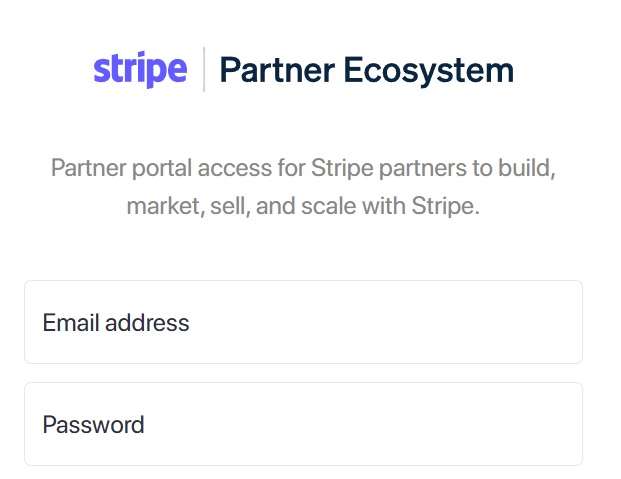
Partner Portal: Experience Cloud
Stripe built their global partner portal on Salesforce Experience Cloud. Systems integrators, payment method partners, and app developers use it to share leads with Stripe, access training and marketing content, earn rewards, and manage their relationship with Stripe.
It's a self-serve portal for the ecosystem of companies that build on and around Stripe, maintained by a dedicated engineering team.
Community Banking — Hagatna, Guam
Salesforce CRM
Salesforce Experience Cloud
Salesforce Marketing Cloud Personalization
Bank of Guam is a $2.6 billion-asset community bank serving Guam, the Commonwealth of the Northern Mariana Islands, Micronesia, and California. Despite operating across some of the most geographically remote banking markets in the world, they have built a surprisingly deep Salesforce stack.
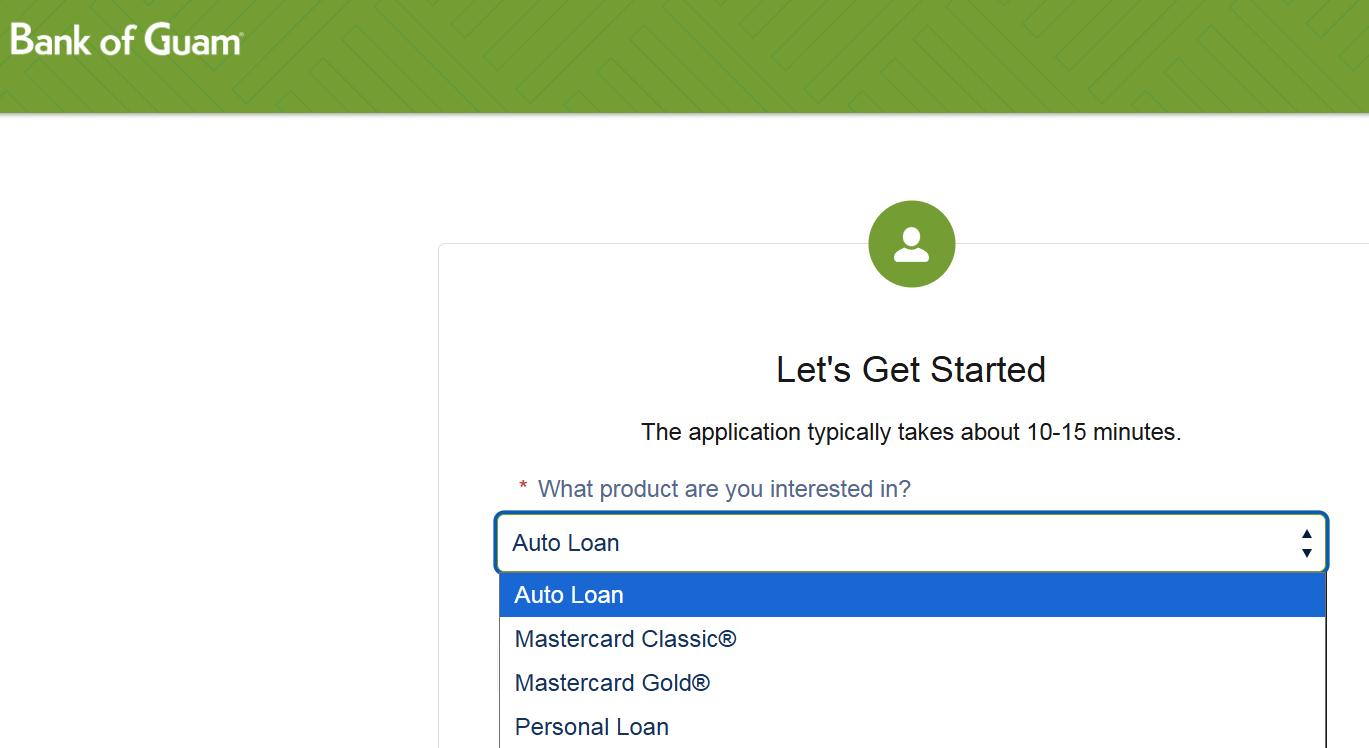
Salesforce Experience Cloud + nCino: Online Loan Applications
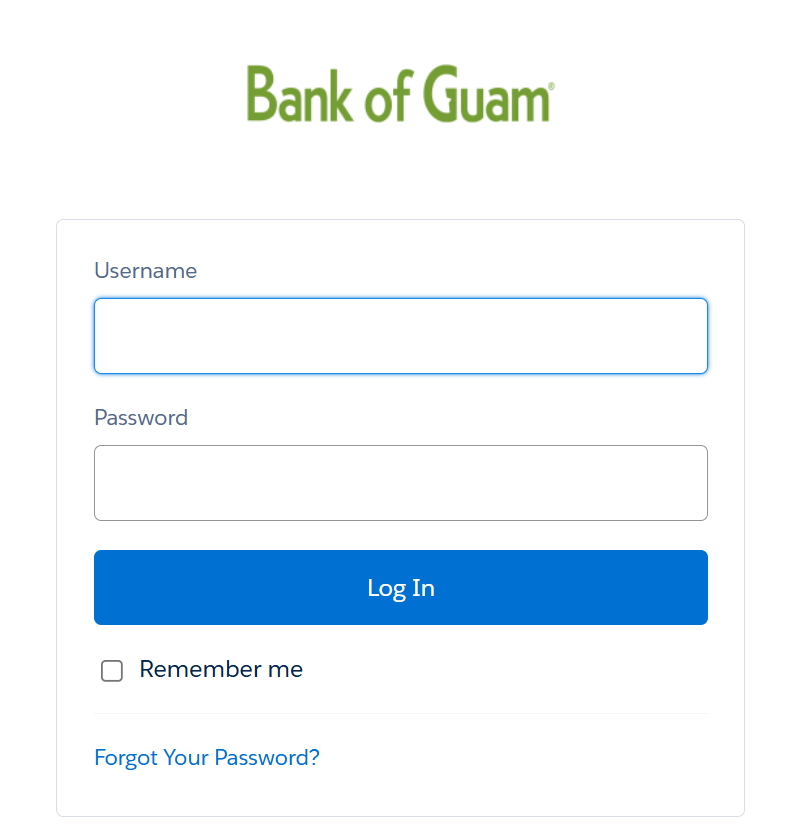
Bank of Guam's online loan application portal runs on Salesforce Experience Cloud, powered by nCino. nCino is a cloud banking platform built natively on Salesforce, handling online consumer lending from product selection through full loan origination. The portal integrates with their Fiserv core banking system via MuleSoft for account data.
Marketing Cloud Personalization (formerly Evergage)
Bank of Guam runs Salesforce Marketing Cloud Personalization on their website. Their Evergage beacon fires at bofguamus.us-6.evergage.com under dataset "bog_prod", confirming a live production deployment powering personalized experiences based on visitor browsing behavior.
Salesforce CRM: Customer and Relationship Management
Because nCino is built natively on the Salesforce platform, Bank of Guam's loan data, customer records, and banker workflows all live inside Salesforce CRM. Bankers get a unified view of each customer including loan history, account details, and financial documents, all in one place. You can view Bank of Guam's Salesforce instance here.
Insurance Brokerage — San Francisco, CA
Salesforce CRM
Salesforce Experience Cloud
Salesforce Marketing Cloud Personalization
EPIC (Edgewood Partners Insurance Center) is one of the largest privately held insurance brokerages in the US. Their Salesforce footprint spans sales CRM, web personalization, and a customer-facing portal, making them a strong example of a financial services firm running deep on the Salesforce platform.
Salesforce CRM: Producer Sales Enablement
EPIC uses Salesforce as the core CRM for their entire producer sales organization. Their VP of CRM and Sales Success, Jesse Walker, presented at a Salesforce Financial Services event and was recognized with a Technology Evangelist Award for his work. Salesforce is used to build strategic engagement between producers and their prospects, with machine learning and automation layered on top. You can view EPIC's Salesforce instance here.

Salesforce Experience Cloud: Customer Portal
EPIC runs a customer portal on Salesforce Experience Cloud, giving clients and partners access to account information and resources digitally, connected back to the same Salesforce CRM underneath.
Marketing Cloud Personalization (formerly Evergage)
EPIC runs Salesforce Marketing Cloud Personalization on epicbrokers.com under the account name "edgewoodpartnersins". When visitors submit sales inquiry forms, name, email, company, and industry fields are passed directly into their Salesforce user profile.

 ICON plc
source
ICON plc
source
 Hot Topic
source
Hot Topic
source
 Hamburger Hochbahn AG
source
Hamburger Hochbahn AG
source
 Grant Thornton (US)
source
Grant Thornton (US)
source
 Good Neighbors
source
Good Neighbors
source
 Global-e
source
Global-e
source
 GE HealthCare
source
GE HealthCare
source
 Deutsche Börse Group
source
Deutsche Börse Group
source
 Conga
source
Conga
source
 Capita
source
Capita
source
 Infogain
source
Infogain
source
 South Metropolitan Health Service
source
South Metropolitan Health Service
source
 regiocom SE
source
regiocom SE
source
 PwC New Zealand
source
PwC New Zealand
source
 Autlán
source
Autlán
source
 foodpanda
source
foodpanda
source
 GRAIN DE MALICE
source
GRAIN DE MALICE
source
 Arcadyan
source
Arcadyan
source
 Spindox
source
Spindox
source
 AppsFlyer
 Palo Alto Networks
 DigitalOcean
 Salesloft
 Sprinklr
 The Home Depot
 DICK'S Sporting Goods
 New Balance
 SharkNinja
 Aaron's
 Abbott
 Johnson & Johnson
 Intermountain Health
 CVS Health
 athenahealth
 Morgan Stanley
 PNC
PNC Stripe
 Bank of Guam
 EPIC Insurance Brokers