We dug into our own data to find which companies are using the most HubSpot products. It is a good way to see some proof that our data is accurate, as well as discovering real customer stories on how companies are actually using HubSpot.
Automotive SaaS - St. Peters, MO
BizzyCar is an AI-powered recall management platform for automotive dealerships -- their software finds open recalls, contacts vehicle owners, and books service appointments automatically. They are one of the more all-in HubSpot adopters in this list, running CRM, chat, ads, their website, and support all inside a single HubSpot stack.
HubSpot CMS: Their Entire Website
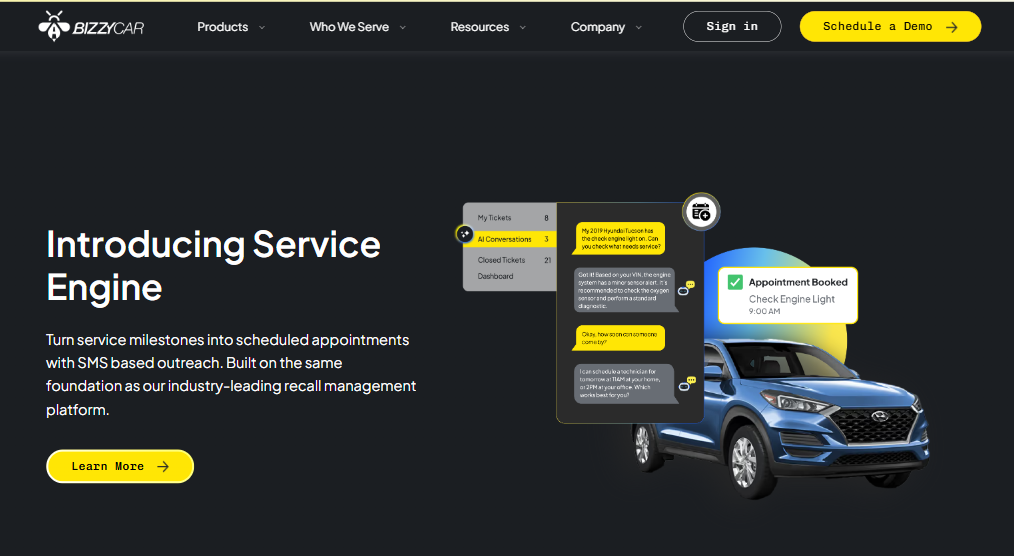
bizzycar.com is built on HubSpot CMS. Their template assets are served directly from HubSpot's file system, meaning their marketing team manages pages, landing pages, and blog posts without leaving HubSpot. Every visitor interaction flows directly into their CRM.
HubSpot Marketing Hub: Google and Facebook Ads
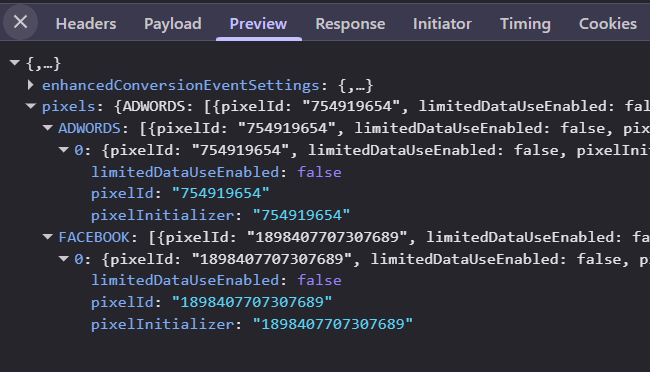
BizzyCar runs paid acquisition on Google and Facebook with HubSpot tracking conversions on both. When a prospect submits a demo request, that conversion fires to both ad networks simultaneously -- a clean closed-loop setup with no third-party tag management layer needed.
HubSpot Conversations: BizzyBee Chat
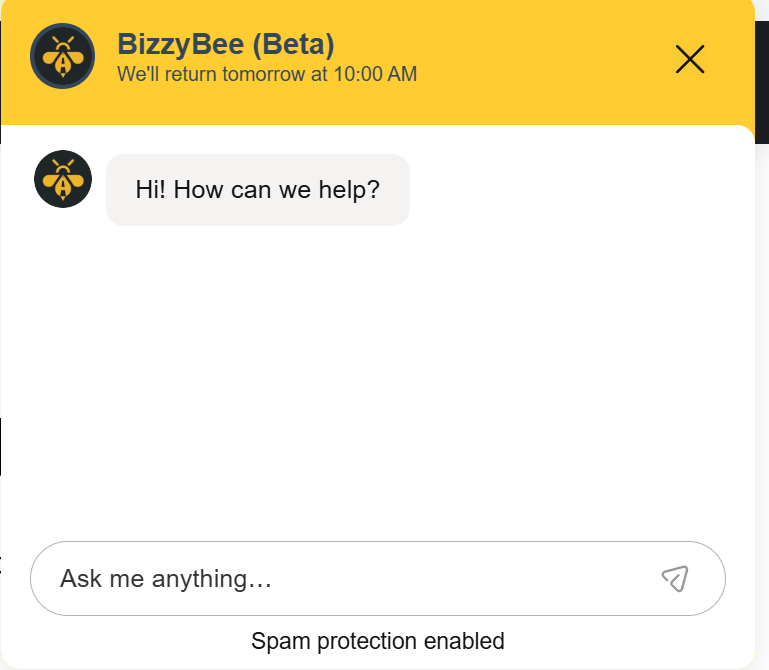
BizzyCar's site chat is branded as "BizzyBee" -- a nod to their bee logo -- and styled in their signature yellow. The bot qualifies intent and prompts quiet visitors to leave an email for follow-up. It feels like a deliberate product decision rather than a generic bolt-on.
HubSpot CRM: A Lean Sales Team
BizzyCar runs 11 to 25 quota-carrying reps on HubSpot CRM. Their Account Executives are paid an $85k base with OTE north of $175k -- a comp structure that signals they are selling meaningful contract values to dealership groups.
HubSpot Service Hub: Dealer Support Portal and Account Health
Their dealer support portal runs on HubSpot Service Hub. Beyond inbound support, HubSpot is also where their Dealer Relations team tracks account health, manages at-risk accounts, and runs quarterly business reviews. Support agents and customer success managers are working out of the same platform, which keeps post-sale friction visible across the whole team.
Business Formation & Compliance - New York, NY
doola helps founders form and run US businesses from anywhere in the world -- LLCs, C-corps, registered agents, bookkeeping, and taxes all in one platform. They have been running HubSpot as a live production system since mid-2024.
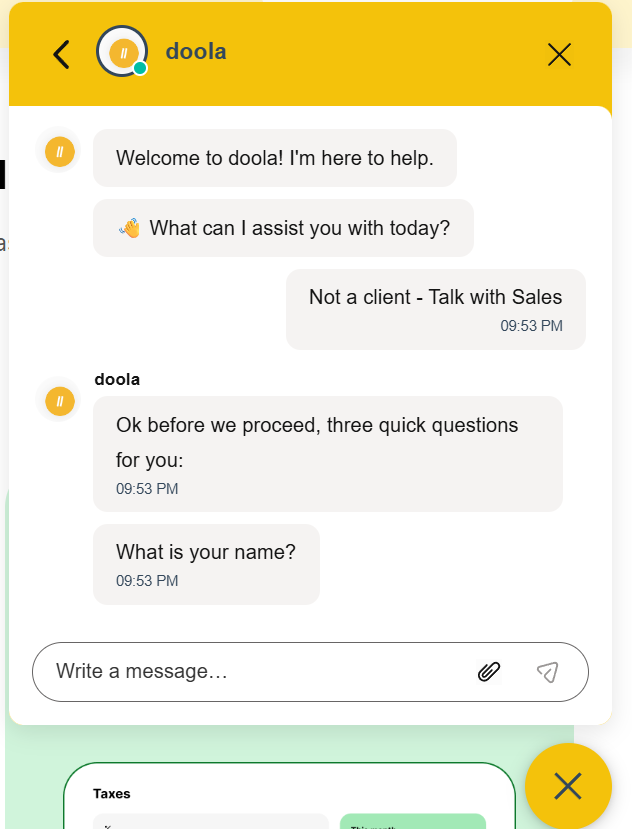
HubSpot Conversations: Proactive Chat with Knowledge Base
doola's chat widget pops open automatically after 5 seconds -- surfacing a welcome message before the visitor has scrolled. The chat is wired into their knowledge base at help.doola.com, so the bot surfaces relevant articles inline before escalating to a human. CSAT surveys run through the same HubSpot instance.

HubSpot Service Hub: Self-Service Knowledge Base
doola's support portal covers business formation, compliance deadlines, and tax filings -- high-anxiety questions that are often answerable without a human agent. The knowledge base connects directly to the chat widget, so article recommendations are served in context.
HubSpot Forms & CRM
doola runs HubSpot form capture sitewide with every submission landing directly in CRM. Their sales team is small -- 5 to 10 reps -- which fits a largely self-serve product. AI features are enabled, suggesting they use HubSpot's AI tools to help a lean team punch above its weight.
HubSpot as Their Operational CRM
What makes doola distinctive is that HubSpot is not just a sales and marketing tool -- it is the operational backbone of the entire company. Their tax team, bookkeeping team, account management team, and operations team all run ticket queues, SLA tracking, and client communication through HubSpot Service Hub. Their partner channel manages deal data, payout activity, and partner communication logs in HubSpot alongside PartnerStack. For a company of roughly 87 people, that is an unusually deep operational commitment to a single platform.
Construction Technology - Chicago, IL
Clearstory (formerly Extracker) is the construction industry's dedicated Change Order communication platform. GCs, specialty contractors, and owners use it to track and resolve Change Orders and T&M tags in real time -- replacing spreadsheets, emails, and carbon copy paper.
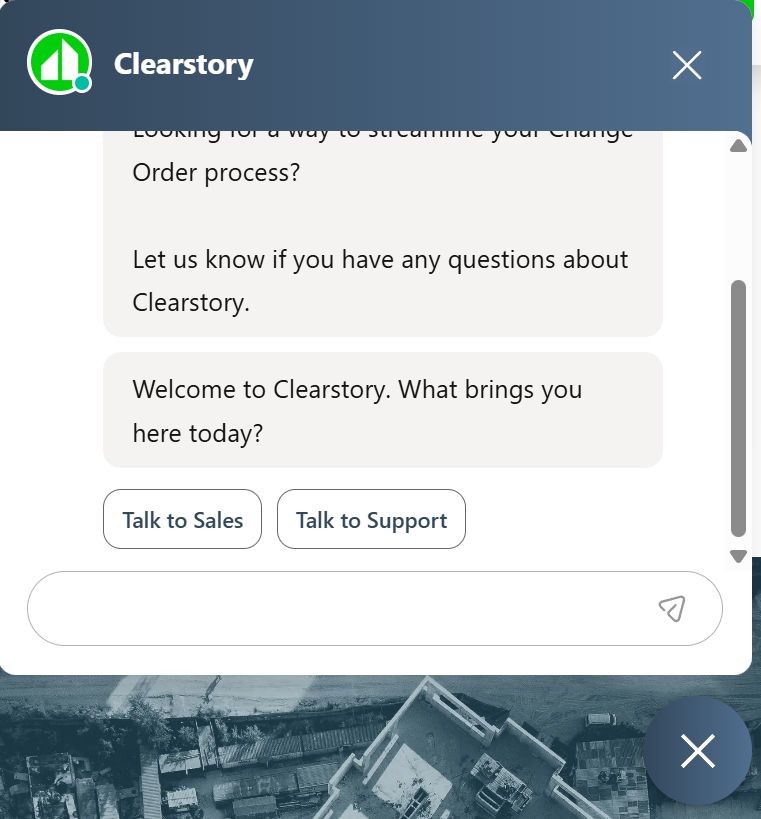
HubSpot Conversations: One Chat for Sales and Support
Clearstory runs a single chat flow handling both inbound leads and existing customer support. Quick-reply buttons -- "Talk to Sales" and "Talk to Support" -- do the routing at the start. One inbox, one configuration to maintain. The opening message, "Looking for a way to streamline your Change Order process?", immediately filters out anyone who wandered in by accident.
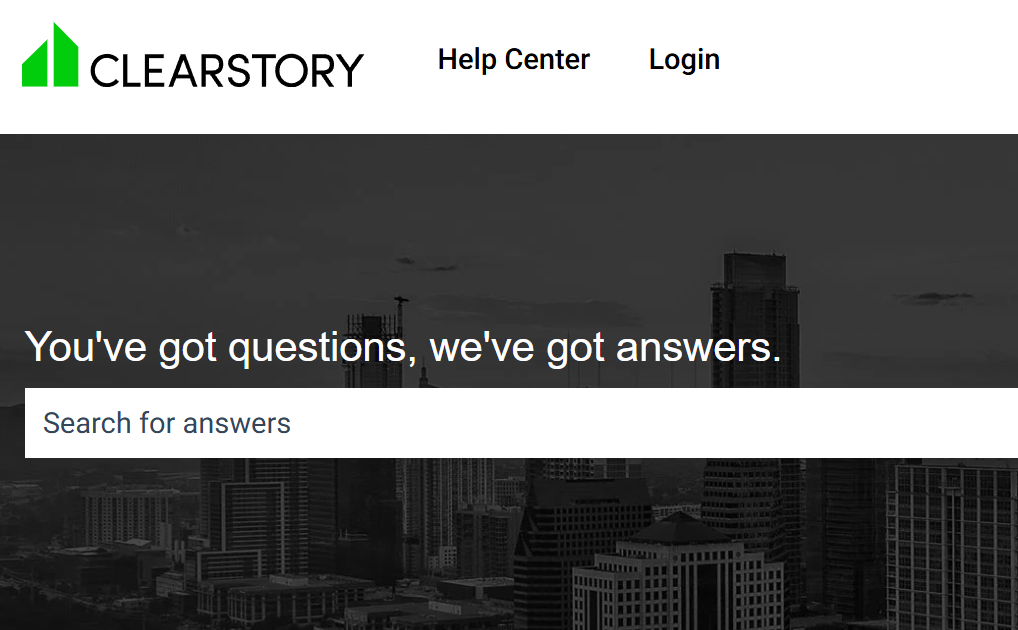
HubSpot Service Hub: Knowledge Base
Clearstory's knowledge base runs on HubSpot Service Hub. On active construction projects where a missed Change Order deadline means lost revenue, fast self-service documentation matters. Unlike doola, they have not wired the knowledge base into chat -- support volume is handled primarily through the article library.
HubSpot Marketing Hub: Google, Facebook, and LinkedIn Ads
Clearstory runs paid acquisition across all three major networks. The LinkedIn pixel is the notable addition -- construction executives and project managers live on LinkedIn. HubSpot ties leads from all three channels back to closed deals in CRM, giving them a true cost-per-acquisition across every channel.
HubSpot CRM: Subscription Sales
Clearstory runs 11 to 25 reps on HubSpot CRM.
HubSpot for Event and Trade Show Marketing
Construction is a relationship-driven, events-heavy industry, and Clearstory attends dozens of trade shows and conferences each year. Their Event Marketing Manager role is specifically responsible for using HubSpot to track and nurture every lead captured at those events. Leads from the field flow back into the same HubSpot instance as inbound leads, keeping attribution clean across channels.
Digital Executive Protection - Nashville, TN
360 Privacy removes PII from data broker websites, monitors the deep and dark web for compromised credentials, and provides real-time threat mitigation for executives, board members, athletes, and high net-worth families.

HubSpot Forms: Enterprise-Only Lead Qualification
360 Privacy's demo form blocks hundreds of personal email domains -- every major consumer provider down to obscure regional ISPs. Company email only, no exceptions.
Beyond email, the form collects job title and an industry dropdown with 16 options covering exactly where executive privacy risk is highest: Financial Services, Insurance, Healthcare, Life Sciences, Private Wealth and Family Offices. A required "how did you hear about us" field tracks which acquisition channels are driving enterprise pipeline. Every submission flows directly to the sales team in HubSpot CRM.
HubSpot CRM: Enterprise Security Sales
360 Privacy runs 11 to 25 reps on HubSpot CRM selling to CSOs, Senior Security Leaders, and heads of enterprise security. Long, relationship-driven cycles with significant trust requirements -- which is why the form qualification is so tight. They use HubSpot's custom objects sync, likely to track both the corporate buyer and the individual executives being protected under each account.
Cybersecurity & Risk Management - Mountain View, CA
UpGuard is an AI-powered Cyber Risk Posture Management platform helping organizations monitor vendors, attack surface, and security exposure. Founded in 2012, they have ~300 employees, raised a $75M Series C in early 2026, and have been G2's #1 third-party risk management platform seven times. Of all the HubSpot users in this list, UpGuard has the most comprehensively instrumented analytics setup.
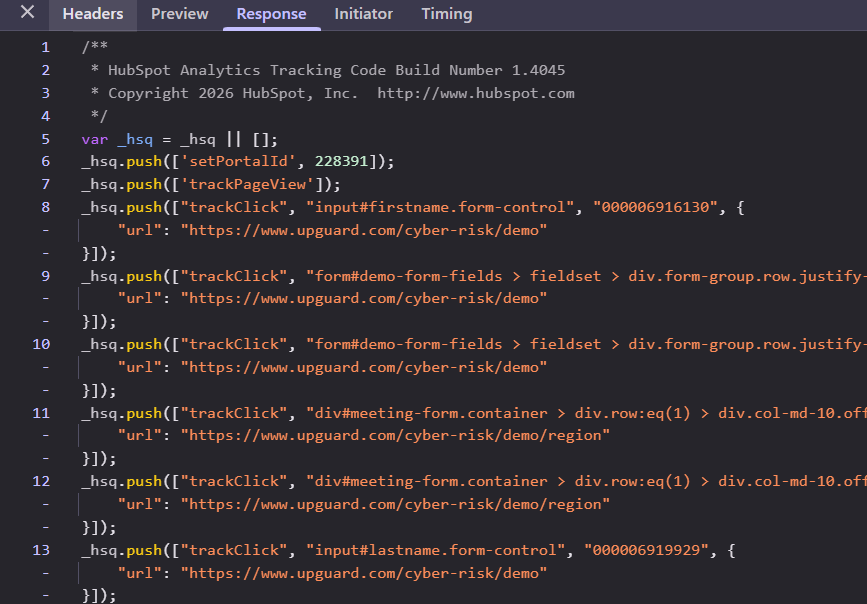
HubSpot Analytics: Every Click, Tracked
UpGuard tracks every meaningful interaction on their site as a named HubSpot event. On the demo form alone, each individual field click fires separately -- first name, last name, email, phone, company, job title -- letting their team see exactly where prospects drop off mid-form, not just whether the form was submitted.
Beyond the form: named events cover every CTA on the site -- navbar, homepage hero, footer, blog, sticky banner, the G2 report download, the free security score button, and individual clicks on each of their five pricing tiers (Starter, Professional, Corporate, Enterprise, Managed Vendors). When someone clicks "Enterprise" on the pricing page before booking a demo, UpGuard knows. This powers serious conversion optimization and attribution modeling.
HubSpot Marketing Hub: Google, Facebook, and LinkedIn Ads
UpGuard runs paid acquisition across all three major networks with HubSpot tracking conversions simultaneously. LinkedIn makes strong sense for a product selling to CISOs and enterprise security teams.
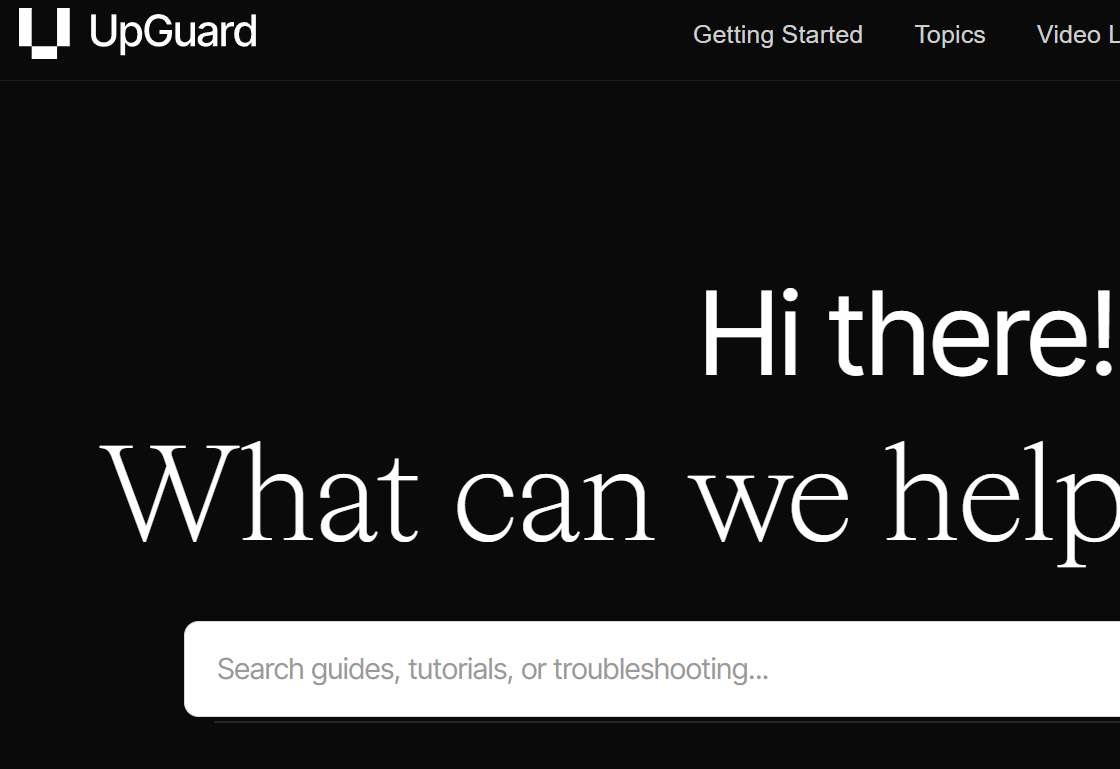
HubSpot Service Hub: Customer Knowledge Base
UpGuard's knowledge base runs on HubSpot Service Hub, covering vendor risk questionnaires, security ratings, attack surface monitoring, and integration setup. Given the technical depth of the platform, good self-service docs are critical to keeping support volume manageable.
HubSpot CRM: The Largest Sales Team in This List
UpGuard runs 51 to 100 quota-carrying reps -- more than double any other company here.
Audit Automation Software - Amsterdam, Netherlands
DataSnipper is an AI-powered audit and finance automation platform built inside Microsoft Excel, used by accountants and auditors at Big Four firms worldwide. Founded in Amsterdam in 2017, they have grown into one of Europe's fastest-growing B2B SaaS companies.
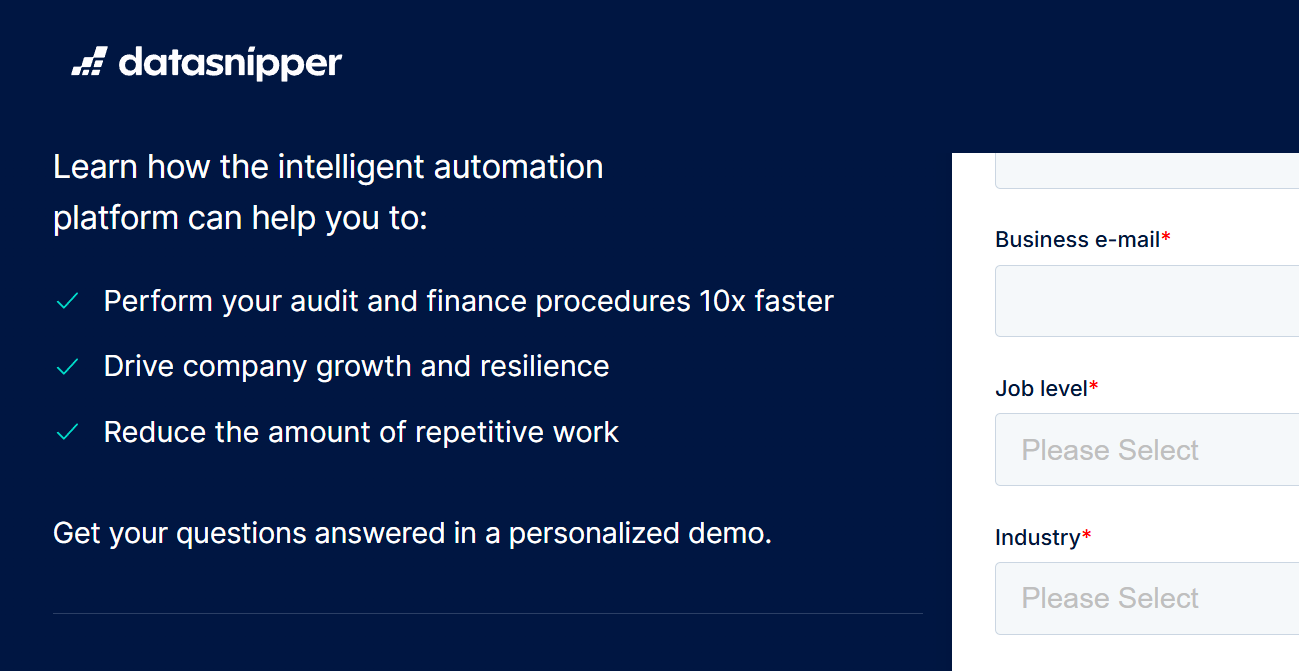
HubSpot Forms: Intelligent Lead Qualification
DataSnipper's demo form blocks personal email domains, collects job level and industry, and does a lot invisibly: three hidden UTM fields capture source, medium, and campaign automatically. Country and company size are auto-populated. And every submission silently stamps the contact with a hidden handraiser: true flag, marking them as sales-ready without any manual review step.
The job level field is a smart field -- returning visitors who HubSpot already knows won't see it again. The industry dropdown leads with Accounting, Banks, Financial Services, Insurance, and Legal. That is the audit and compliance buyer profile, exactly who DataSnipper targets.
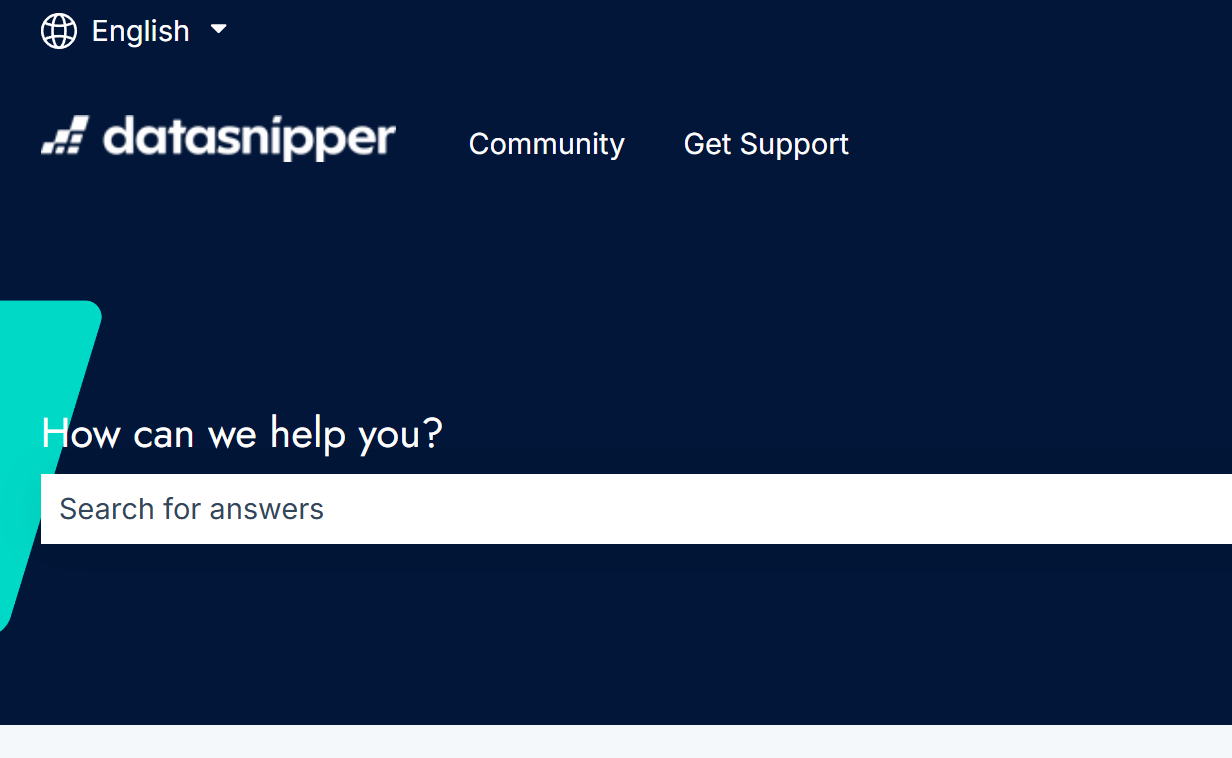
HubSpot Service Hub: Customer Knowledge Base
DataSnipper's knowledge base runs on HubSpot Service Hub. Auditors running complex Excel-based workflows need to look up specific functions, troubleshoot integrations, and understand how to tie evidence back to workpapers -- all without filing a ticket.
HubSpot CRM: A European Sales Team
DataSnipper runs 51 to 100 reps on HubSpot CRM with compensation in Euros -- one of the few European-headquartered companies here with a sales team this size. That puts them in the same bracket as UpGuard, which is notable for a company still primarily known in the audit software niche.
AI Data Infrastructure - San Francisco, CA
Unstructured transforms raw documents -- PDFs, HTML, Word files, images -- into clean structured data ready for RAG pipelines, AI agents, and LLM applications. They have become a foundational layer in the AI developer stack, with integrations across AWS, Azure, IBM watsonx, and the major LLM providers.
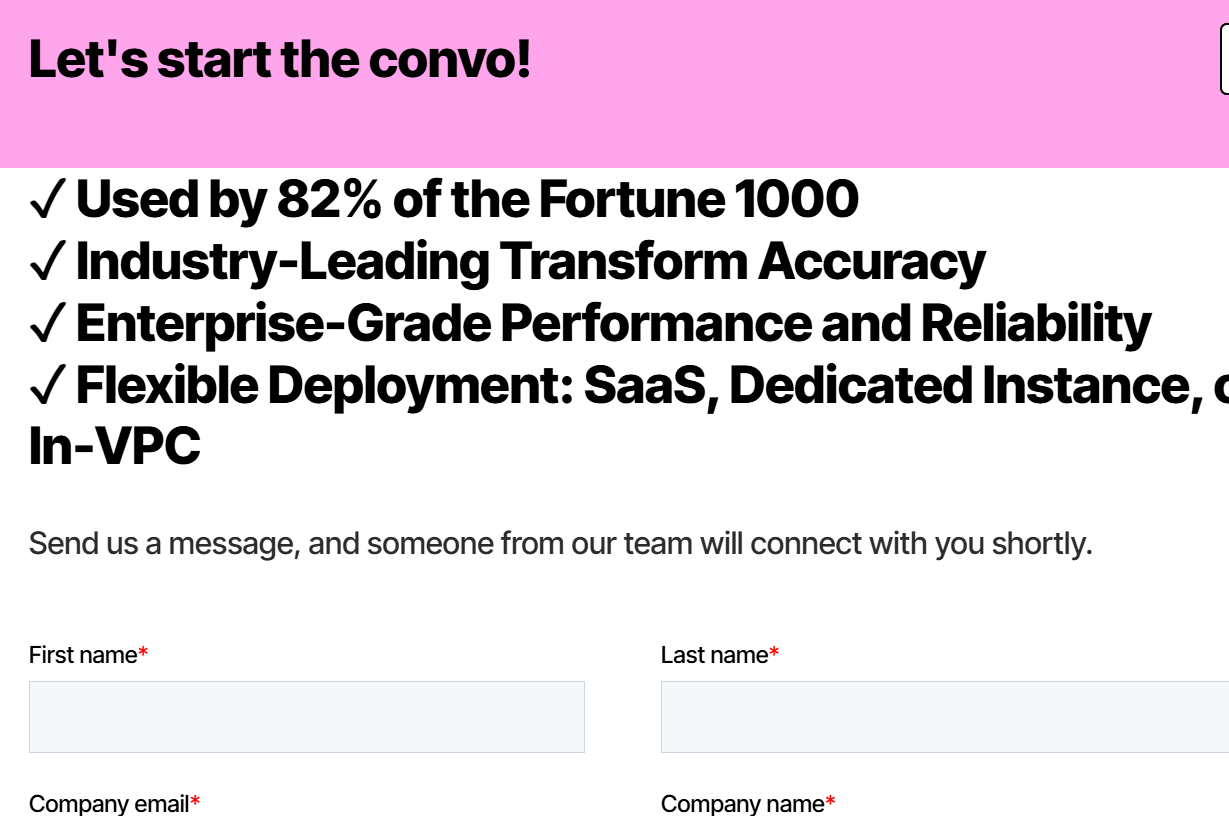
HubSpot Forms: A Window Into Their ICP
Unstructured's form asks prospects what they intend to use the product for: integrating into their own product, building internal RAG/agent workflows, building client-facing AI apps, using it with IBM watsonx, or academic research. Their sales team knows exactly how to route each lead before anyone picks up the phone.
The "how did you hear about us" field lists ChatGPT as a standalone source. Selecting "Other - LLM" triggers a conditional follow-up asking which LLM referred them, with a dropdown covering Anthropic, Gemini, Perplexity, Mistral, LLaMa, Cohere, Grok, and others. Azure Marketplace, AWS Marketplace, and IBM are also discrete options. For a company whose customers discover them through AI tools as often as search, tracking LLM-driven referrals is genuinely novel attribution work.
HubSpot Marketing Hub: Google and LinkedIn Ads
No Facebook pixel here -- their buyer (AI engineers, data architects, developers) is not a Facebook audience. Two separate Google conversion labels suggest they track submissions from at least two distinct landing pages, giving them per-page paid attribution.
HubSpot Service Hub & CRM
Unstructured's developer support portal runs on HubSpot Service Hub, and their full sales pipeline runs through HubSpot CRM -- keeping leads from their form, marketplace listings, and partner channels in one system.
B2B Website Visitor Identification - Rotterdam, Netherlands
Leadinfo reveals which companies are visiting your site even when they don't fill out a form, integrating directly with HubSpot. The combination is a natural fit: Leadinfo surfaces anonymous company intent signals, HubSpot is where the sales team acts on them.
HubSpot CRM: A European Sales Team
Leadinfo runs 51 to 100 reps on HubSpot CRM with compensation in Euros. Like DataSnipper, they are one of the few European-headquartered companies here with a meaningful sales team on HubSpot.
HubSpot Marketing Hub: LinkedIn-Only Paid Acquisition
Leadinfo runs paid ads exclusively on LinkedIn -- no Google, no Facebook. Their buyers (RevOps leads, demand gen managers, sales directors) live on LinkedIn professionally. Single-channel also means cleaner attribution and less complexity. Every LinkedIn lead fires a conversion signal back through HubSpot.

HubSpot Service Hub: Customer Knowledge Base
Leadinfo's knowledge base runs on HubSpot Service Hub, covering tracking script setup, integrations, visitor data interpretation, and account management.
Car Wash CRM & Marketing Platform - New York, NY
Rinsed is a CRM and marketing platform built specifically for car wash operators, handling membership management, loyalty programs, NPS surveys, and customer communications. A tight vertical SaaS play with customers including large chains like Crew Carwash.
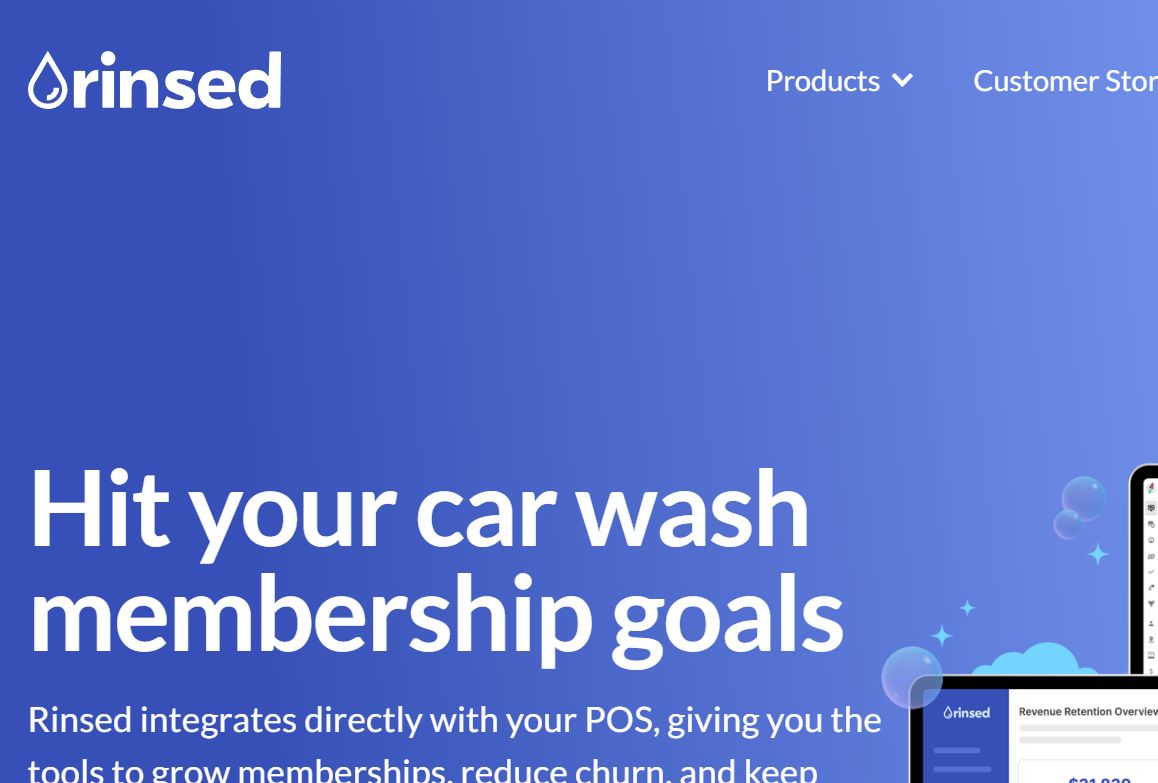
HubSpot CMS: Their Entire Website
rinsed.com is built on HubSpot CMS. Image assets including customer logos are served from HubSpot's file system, putting their marketing pages, blog, and case studies in the same system as their CRM -- every visitor connects directly to pipeline.
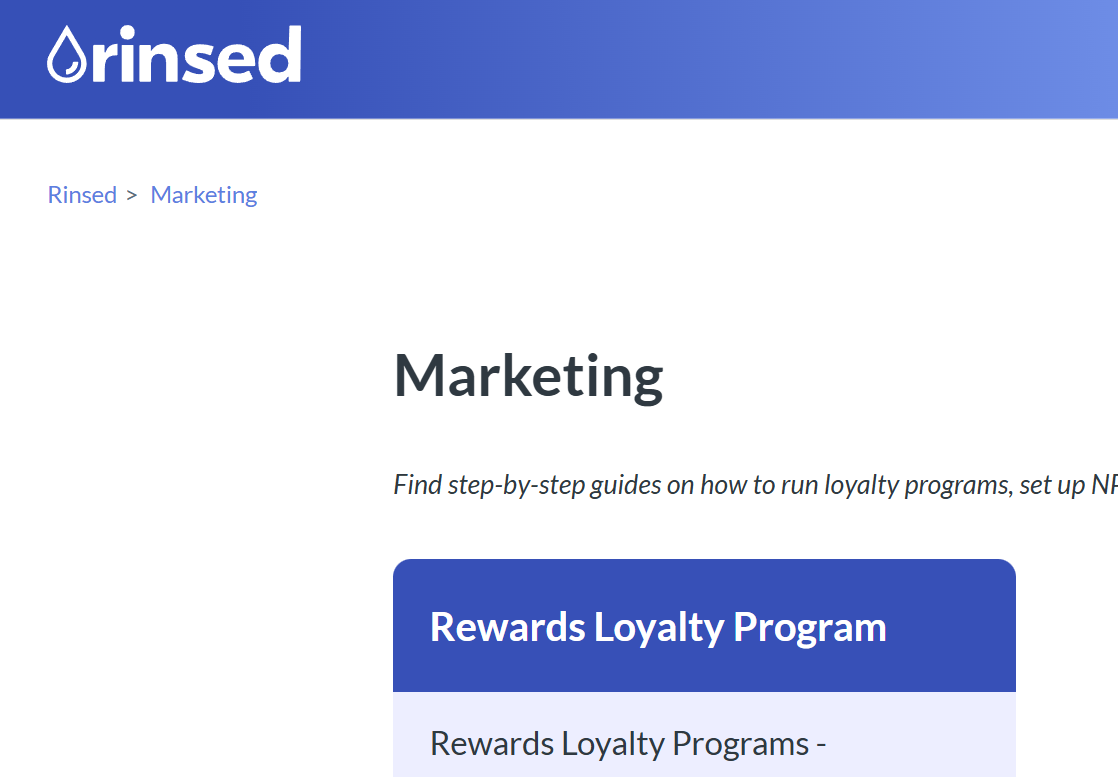
HubSpot Service Hub: Customer Knowledge Base
Rinsed's support portal is organized around the workflows their customers run daily -- loyalty programs, rewards setup, NPS campaigns, and marketing automations. For car wash operators who are not typically heavy software users, good self-service docs are a retention tool as much as a support one.
HubSpot CRM
Rinsed runs 11 to 25 reps on HubSpot CRM. They have enabled a custom HubSpot data sync pulling non-standard objects into their analytics pipeline -- suggesting more sophisticated CRM reporting than standard deals and contacts.
QR Code & Digital Connection Platform - New York, NY
Flowcode bridges physical marketing materials with digital experiences -- powering QR codes for TV commercials, packaging, billboards, and print with analytics, custom design, and destination management built in.
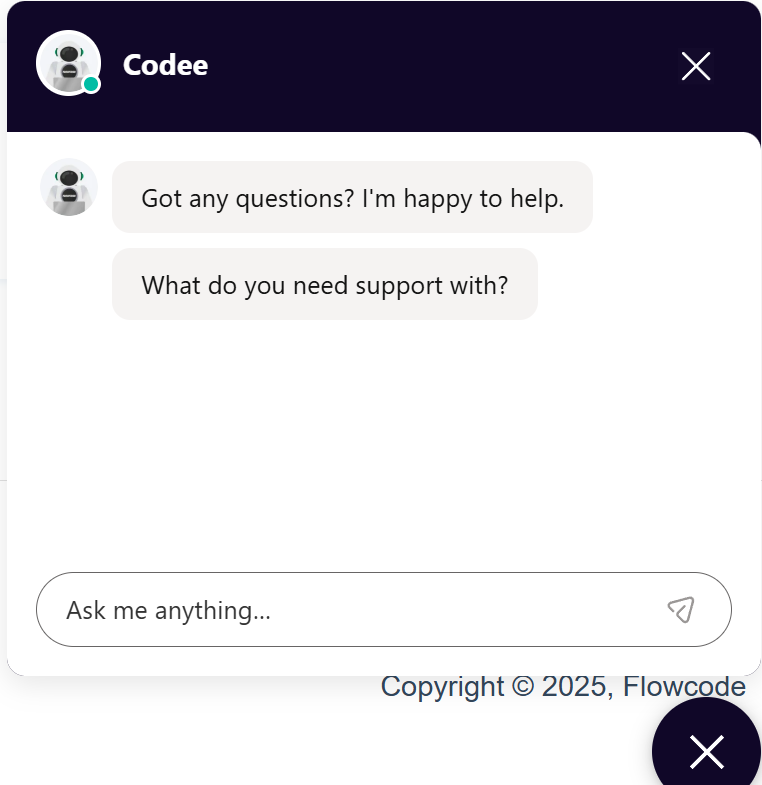
HubSpot Conversations: Support Chat
Flowcode runs HubSpot Conversations opening with "What do you need support with?" -- a clean, no-frills support triage entry point that routes visitors into the right queue without aggressive proactive triggering.
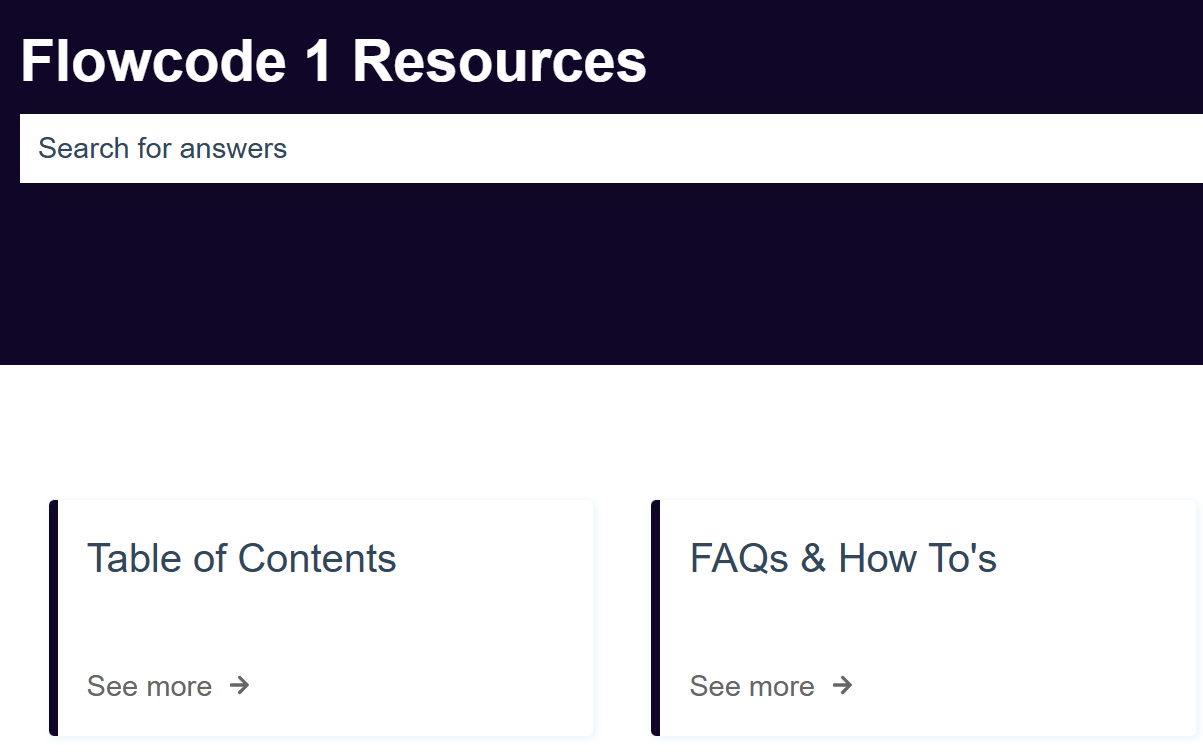
HubSpot Service Hub: Customer Support Portal
Flowcode's support portal runs on HubSpot Service Hub, covering QR code creation, analytics, integrations, and account management for a broad user base of marketers, agencies, and enterprise brand teams.
HubSpot Forms & CRM
Flowcode captures leads via HubSpot forms sitewide -- demo requests, free sign-ups, content downloads -- all landing directly in HubSpot CRM alongside conversations from chat.
Loyalty & Marketing Platform - Wellington, New Zealand
Marsello is a loyalty and marketing platform for retail and hospitality brands, serving 2,000+ brands globally across Shopify, BigCommerce, Lightspeed, and other POS and eCommerce integrations. Customers include Havaianas, LEGO Certified Stores, and Merrell.
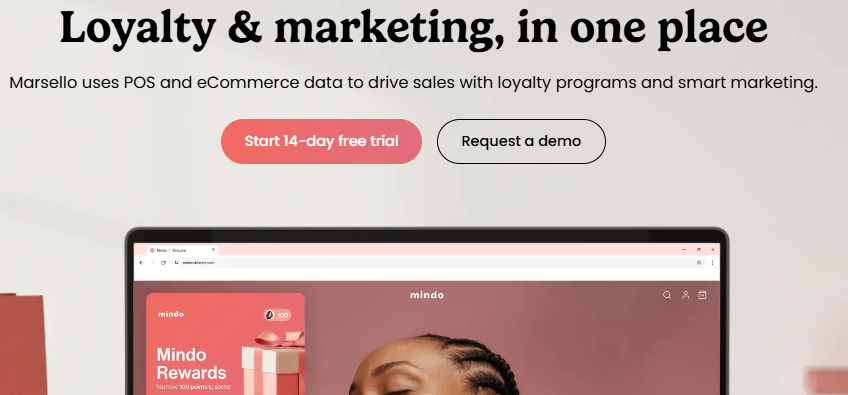
HubSpot CMS: Their Entire Website
marsello.com is built on HubSpot CMS. Their CTAs, marketing pages, and conversion flows are all served natively from HubSpot, meaning every demo request and visitor interaction flows directly into their CRM without any middleware.
HubSpot Web Interactives: Native Popup
Marsello uses HubSpot's built-in popup tool to capture leads on the site rather than a third-party overlay. The popup is dismissable and fires after a short delay -- a fully native HubSpot lead gen setup that keeps their conversion data in the same system as their CRM.
HubSpot CRM: A Small Sales Team
Marsello runs 11 to 25 commissioned reps on HubSpot CRM at their highest plan tier. The small team size relative to their 2,000+ brand customer base suggests a largely product-led or partner-led growth motion, with sales closing the larger accounts.
Email Security & Data Protection - San Francisco, CA
Material Security is an automated detection and response platform for Google Workspace and Microsoft 365, combining email security, data security, identity protection, and configuration management in a single platform.
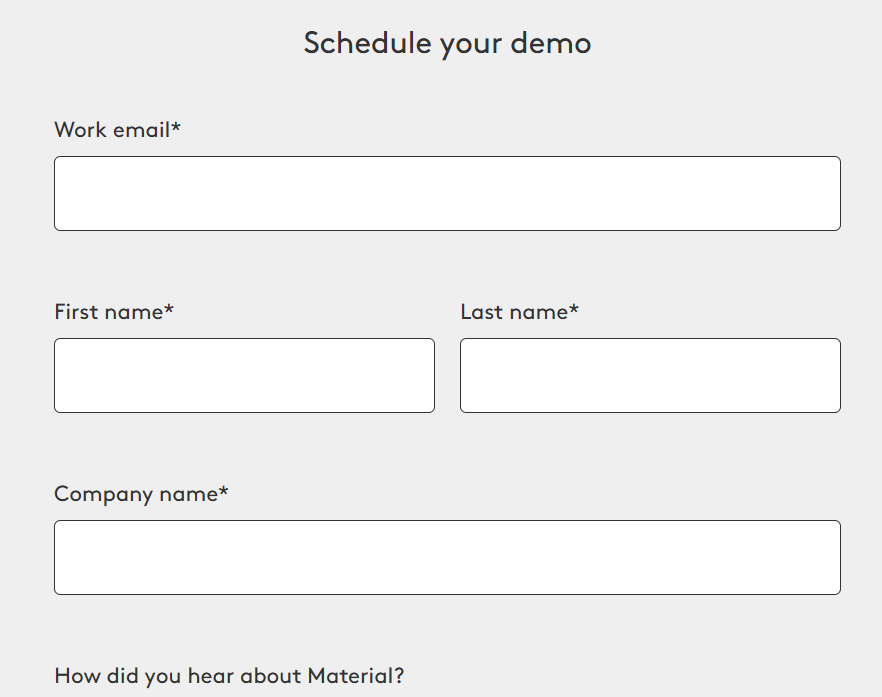
HubSpot Forms: MSP/Reseller Routing at Point of Capture
Material Security's demo form uses HubSpot's default email blocklist to filter out personal addresses, and captures five UTM parameters silently in the background. The most interesting detail is a checkbox at the bottom -- "I'm an MSP or reseller interested in working with Material." -- which splits partner leads from direct enterprise leads at the moment of submission, before anyone on the sales team touches them.
HubSpot CRM: GTM System of Record
HubSpot is Material Security's CRM and the system everything flows back into. Their GTM stack includes Gong for conversation intelligence, Clari for forecasting, 6sense for ABM, and CPQ tooling for quoting -- all integrated with HubSpot as the hub.
Password Management & Identity Security - Santa Barbara, CA
Bitwarden is the open-source password manager trusted by millions of users and thousands of enterprises, covering password management, secrets management, and passkey innovations for both individuals and organizations.
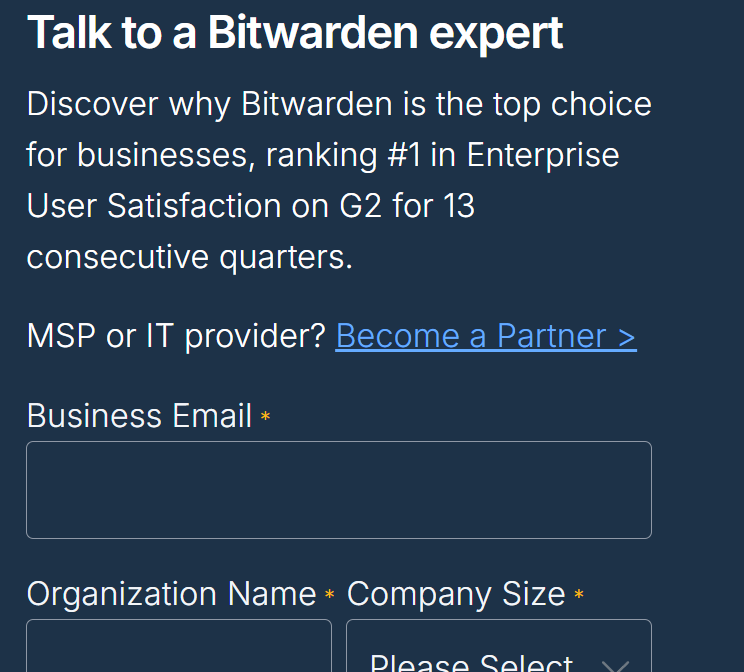
HubSpot Forms: Quiet Lead Qualification
Bitwarden's Contact Sales form collects business email, company name, a free-text request field, and a company size dropdown ranging from 1-17 up to 10,000+. The bottom of that range -- starting at 1-17 rather than the typical 1-10 -- is an unusual choice that hints at how they think about minimum viable deal size. First and last name are captured silently from known contact data rather than shown to the visitor, keeping the form short while still collecting identity.
HubSpot CRM: Sales and ABM Operations
Bitwarden runs HubSpot as their sales CRM with 11-25 commissioned reps. Their demand generation stack sits on top of HubSpot, with 6sense and Bombora wired in for ABM and intent data -- a setup suited to enterprise security sales where buying signals matter as much as inbound volume.

 Elysia - Battery Intelligence from Fortescue
 AP Psychology & Consulting Services
 Adapted Energy
 geniaTEAM
 Ice 9 Productions
 Halo Recruiting
 Plastec USA, Inc.
 Quidos
 Blue Book Services
 STEMDO
 Vine Ventures
 Financial Recovery Group (FRG)
 SENshine
 SkyIO, Inc.
 Face Addiction Now
 Intelvision
 Medzoomer
 AntiSocial
 RunDiffusion
 AgaMatrix
 BizzyCar
 doola
doola
 Clearstory
 360 Privacy
 UpGuard
 DataSnipper
 Unstructured
 Leadinfo
 Rinsed
 Flowcode
 Marsello
 Material Security
 Bitwarden