We detected 549 companies using Fomo, 309 companies that churned, and 24 customers with upcoming renewal in the next 3 months. The most common industry is Retail (69%) and the most common company size is 2-10 employees (78%). We find new customers by detecting JavaScript snippets or configurations on customer websites.
The count of new companies shown here may differ from the total in the table above. This is intentional. We apply a consistent baseline to ensure month-over-month comparisons are apples-to-apples rather than affected by when data was first collected.
Loading trends...
No trend data available for this vendor.
Market Insights
🏢 Top Industries
Retail366 (69%)
Food and Beverage Services13 (2%)
Technology, Information and Internet10 (2%)
E-Learning Providers9 (2%)
Manufacturing9 (2%)
📏 Company Size Distribution
2-10 employees428 (78%)
11-50 employees72 (13%)
51-200 employees29 (5%)
201-500 employees9 (2%)
1 employee employees4 (1%)
📊 Who usually uses Fomo and for what use cases?
Source: Analysis of job postings that mention Fomo (using the Bloomberry Jobs API)
Job titles that mention Fomo
i
Based on an analysis of job titles from postings that mention Fomo.
Job Title
Share
Social Media Manager/Specialist
18%
Marketing Manager/Director
15%
Content Creator/Producer
12%
Events Manager/Coordinator
10%
My analysis shows that Fomo is primarily purchased by marketing and communications leaders, with Social Media Managers and Specialists representing 18% of roles, Marketing Managers and Directors at 15%, and Events Managers at 10%. These buyers are focused on driving engagement, creating urgency, and building brand awareness. I noticed strategic priorities around generating buzz and excitement, particularly the recurring theme of creating FOMO itself as a marketing tactic to drive conversions and event attendance.
The day-to-day users are primarily content creators, social media coordinators, and community managers who leverage Fomo to amplify campaigns and create compelling narratives. One posting explicitly seeks someone who can "create buzz" and "generate fear-fueled excitement," while another wants to "spark FOMO" through grassroots activations. These practitioners are using Fomo to drive real-time engagement, coordinate multi-channel campaigns, and track performance metrics that demonstrate impact on audience behavior and conversion.
The core pain point across these postings is the need to cut through digital noise and drive immediate action. Companies want to "dominate feeds, headlines, and dinner-table conversations" and create "moments that make people stop scrolling and start booking." Multiple roles emphasize building communities where audiences "can't stop talking" about the brand. The underlying goal is transforming passive audiences into active participants who feel compelled to engage before missing out on culturally relevant moments.
👥 What types of companies use Fomo?
Source: Analysis of Linkedin bios of 549 companies that use Fomo
Company Characteristics
i
Shows how much more likely Fomo customers are to have each trait compared to all companies. For example, 2.0x means customers are twice as likely to have that characteristic.
Trait
Likelihood
Industry: Personal Care Product Manufacturing
15.8x
Industry: E-Learning Providers
15.5x
Industry: Retail Apparel and Fashion
10.1x
Funding Stage: Seed
7.9x
Country: Australia
3.8x
Country: Canada
1.9x
I analyzed these companies and found that Fomo's typical customer is a direct-to-consumer brand selling physical products. These are companies with online stores selling everything from jewelry and skincare to coffee and fitness equipment. The majority are in retail, food and beverage, apparel, wellness, or consumer goods. They're ecommerce businesses that need to convert website visitors into buyers, which is exactly where social proof tools like Fomo become critical.
The company stage varies but clusters around early growth phase. I see a mix of bootstrapped small businesses with 2-10 employees, seed-funded startups that have raised between $3-7M, and some Series A companies. Very few are mature enterprises. The employee counts mostly range from 2 to 50 people. These are companies past the initial launch phase but still figuring out how to scale their customer acquisition.
🔧 What other technologies do Fomo customers also use?
Source: Analysis of tech stacks from 549 companies that use Fomo
Commonly Paired Technologies
i
Shows how much more likely Fomo customers are to use each tool compared to the general population. For example, 287x means customers are 287 times more likely to use that tool.
I noticed that Fomo users are distinctly e-commerce companies, specifically direct-to-consumer brands operating on Shopify. The presence of Klaviyo, Recharge, and Yotpo together paints a clear picture: these are online stores selling physical products, likely with subscription components, that rely heavily on email marketing and social proof to drive conversions.
The pairing of Shopify and Recharge is particularly telling. These companies aren't just selling one-time products but building subscription revenue streams, whether that's monthly beauty boxes, supplement deliveries, or consumable goods. Triple Whale's strong presence confirms these are sophisticated DTC operators who need unified analytics across their marketing channels. Meanwhile, Attentive appearing alongside Fomo suggests they're building multi-channel conversion strategies, using SMS and social proof notifications in tandem to create urgency.
The full stack reveals marketing-led growth companies in their scaling phase. They've moved past basic Shopify setups and invested in a conversion optimization arsenal. Klaviyo for segmented email campaigns, Yotpo for reviews and user-generated content, Fomo for real-time social proof, all working together to maximize revenue per visitor. These aren't early-stage startups testing product-market fit, nor are they enterprise retailers with custom platforms. They're likely generating seven to eight figures in revenue and optimizing every percentage point of their conversion funnel.
Alternatives and Competitors to Fomo
Explore vendors that are alternatives in this category

 Freedom United
 42Lolita
 South Mini Splits
 thedadhoodie.com
 Couch
Couch
 Kipling
 JanSport
 AutoFloorGuard
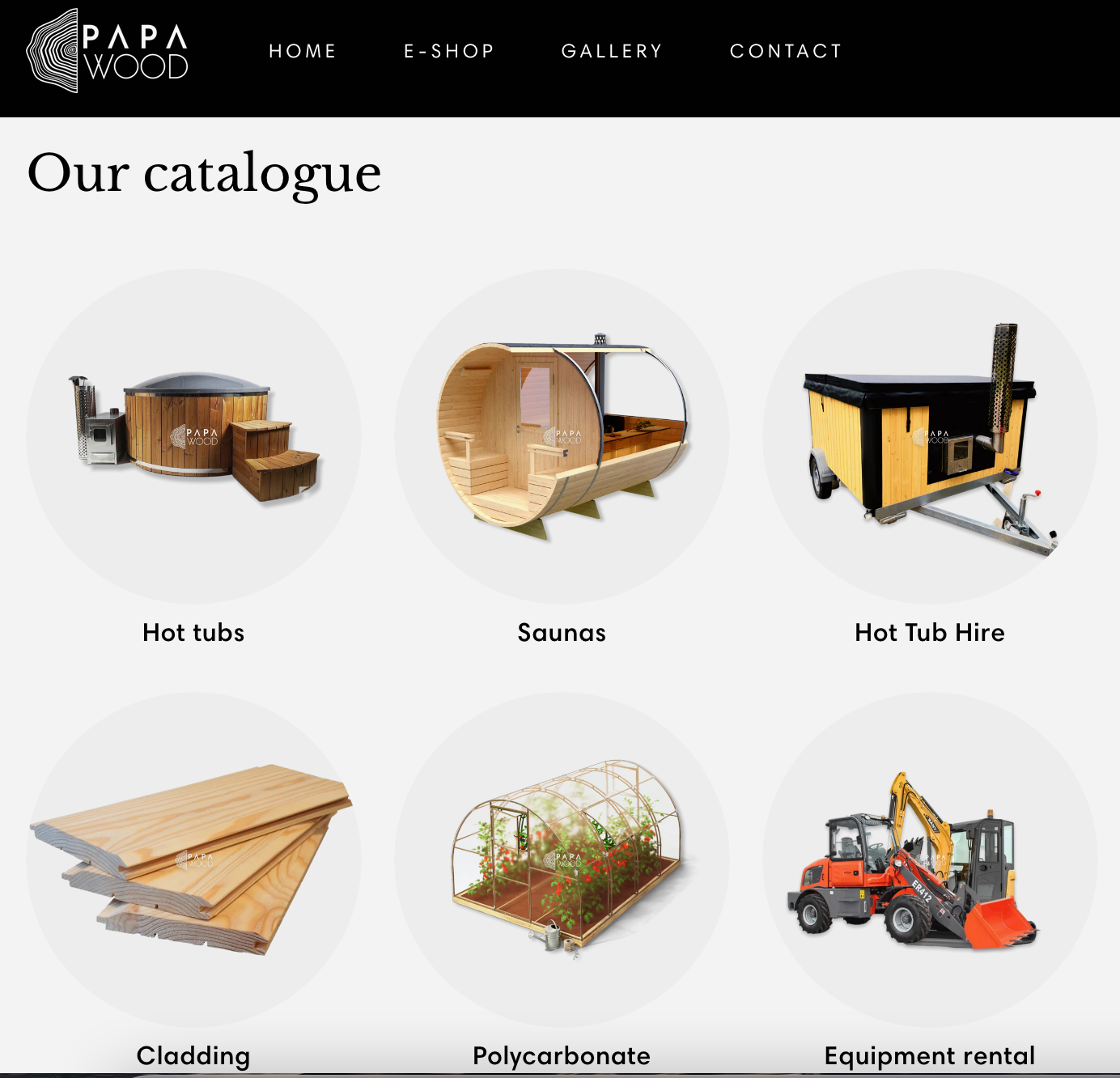 Papa Wood
 100moons
 Wig Is Fashion
 daisys-choice-homeware
 ANNEBRAUNER
 Practical DevSecOps
 Rebirthed Makeup
 Lily Whyte
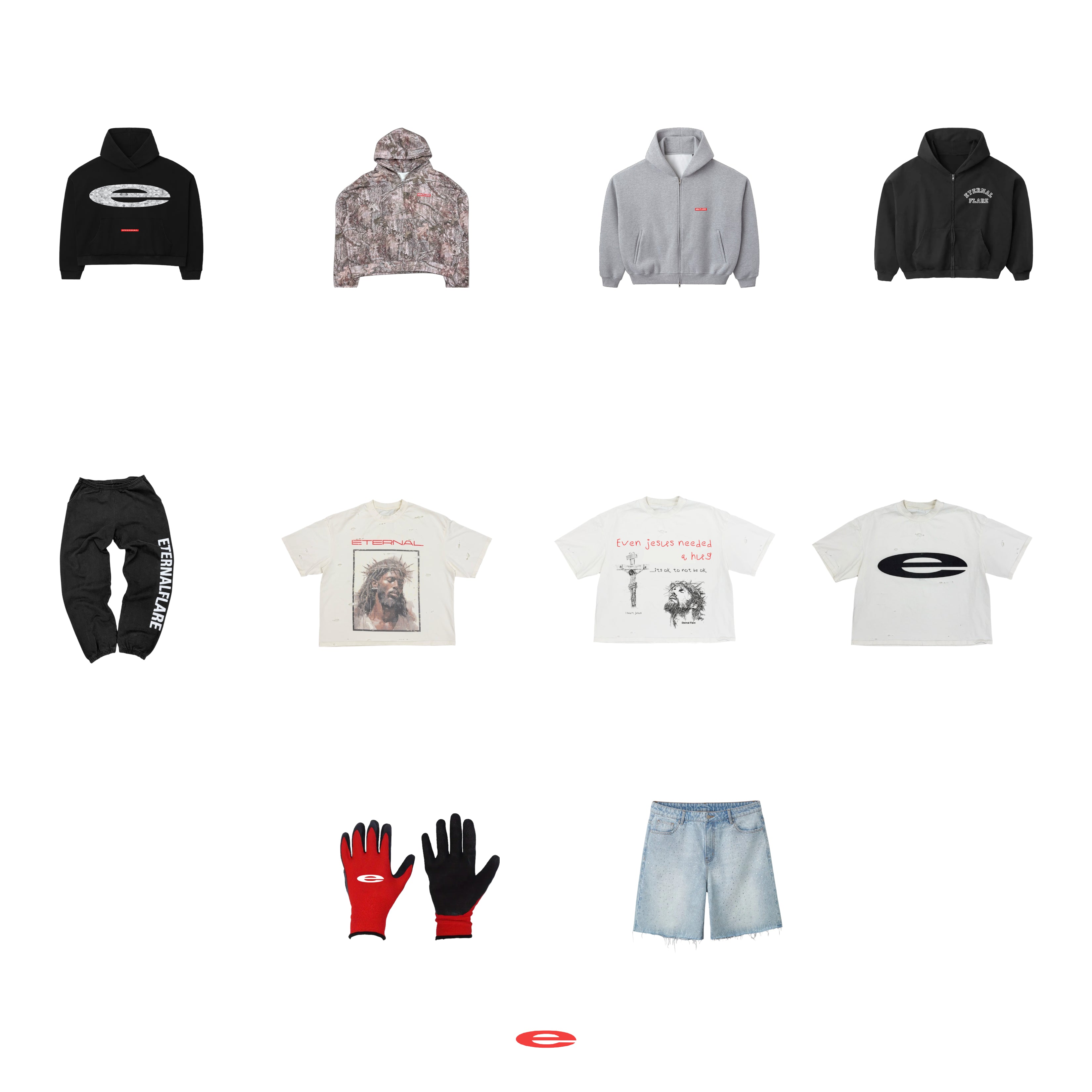 Eternal Flare
 K's Krafty Barn