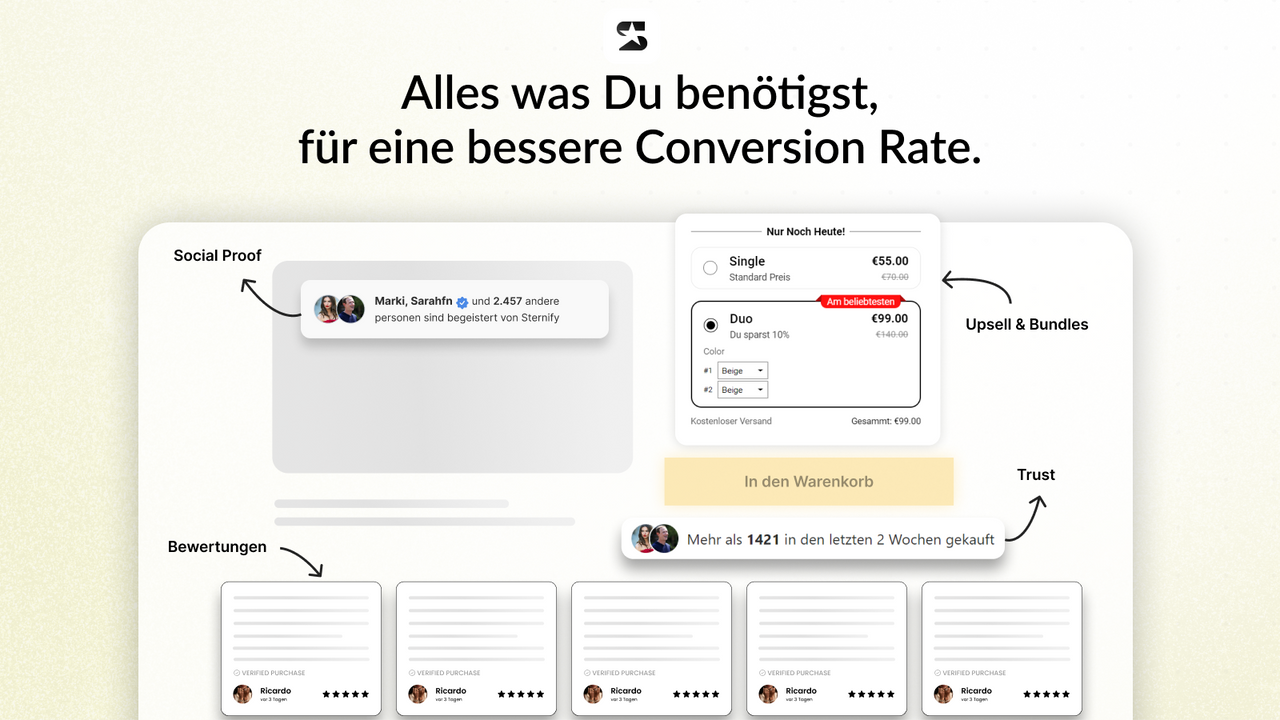
We detected 72 companies using Dialogue, 42 companies that churned, and 6 customers with upcoming renewal in the next 3 months. The most common industry is Retail (66%) and the most common company size is 2-10 employees (65%). We find new customers by detecting JavaScript snippets or configurations on customer websites.
Note: Our data tracks companies with Dialogue installed on their website and may not capture sites running personalization only on checkout flows or gated pages
Source: Analysis of Linkedin bios of 72 companies that use Dialogue
I analyzed these 31 companies and found that Dialogue's typical customers are predominantly consumer-facing brands selling physical products. The vast majority operate in retail, fashion, beauty, food and beverage, or home goods. These aren't tech companies or B2B services. They're making and selling tangible items: lingerie, backpacks, brownies, jewelry, skincare drinks, linen dresses, furniture, and evening gowns. A handful venture into manufacturing or ingredients (like Sauer Brands and BIOTOP), but even these have strong retail presences.
These are predominantly small to mid-sized companies, mostly in the 2-50 employee range based on the LinkedIn data. Very few show venture funding (Noggin Boss had a modest $50K angel round). The employee counts often seem understated, but the overall signal is clear: these are established small businesses, not startups chasing hypergrowth. Many have been operating for years or decades, with solid market presence but still growing.
🔧 What other technologies do Dialogue customers also use?
Source: Analysis of tech stacks from 72 companies that use Dialogue
Commonly Paired Technologies
i
Shows how much more likely Dialogue customers are to use each tool compared to the general population. For example, 287x means customers are 287 times more likely to use that tool.
I noticed that Dialogue users are predominantly direct-to-consumer e-commerce brands built on Shopify. The tech stack screams modern DTC company: they're running online stores, obsessing over customer retention through email marketing, and using specialized tools to optimize every part of the shopping experience. These aren't enterprise retailers or B2B companies. They're digitally native brands selling products directly to consumers.
The pairing of Shopify with Klaviyo makes perfect sense as the foundation. Shopify powers the storefront while Klaviyo handles sophisticated email flows like abandoned cart sequences, post-purchase campaigns, and customer segmentation. Then you see Gorgias appearing 132 times more often than normal, which tells me these companies care deeply about customer support quality. Gorgias integrates directly with Shopify to give support teams full order context. The presence of Yotpo, nearly 100 times more likely, confirms these brands rely heavily on social proof through reviews and user-generated content to drive conversions.
The full picture reveals marketing-led growth companies in the scale-up phase. They've moved past the earliest startup stage (they're investing in premium tools like Elevar for analytics and Searchanise for site search) but they're still optimizing for efficient growth. These companies understand their unit economics and are focused on improving conversion rates, average order value, and customer lifetime value through better experiences and marketing automation.
Alternatives and Competitors to Dialogue
Explore vendors that are alternatives in this category

 Marina Home Interiors
 צור מרקט
 Lavinia Lingerie
 nirvannadesigns
 Noggin Boss
 Evergreen Walls
 Nasty Caribbean
 Brakeburn
 Crusader Valor
 OCOA - Curly Hair Care
 BIOTOP PROFESSIONAL
 Mustela France
 Plume Impression
 Reshoevn8r
 Beau Ties of Vermont
 Secret Kiwi Kitchen
 Shoppe Details and Design