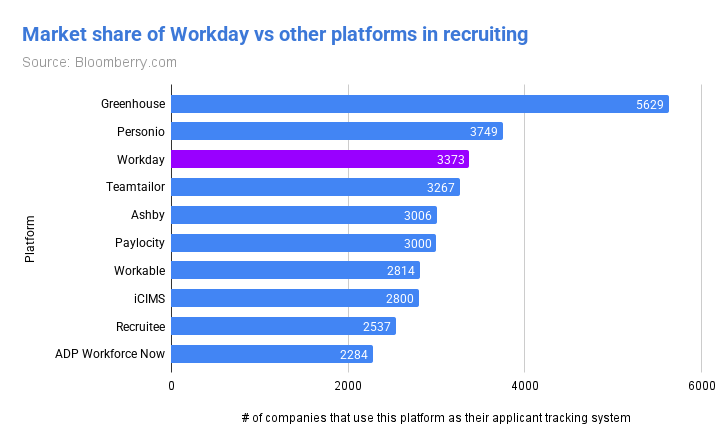
We dug into our own data to find which companies are using the biggest Workday implementations. Here are some real-world examples of how they are putting the platform to work.
Healthcare System - Altamonte Springs, FL
AdventHealth is one of the largest nonprofit health systems in the US - 80,000+ employees, 57 hospitals across nine states.
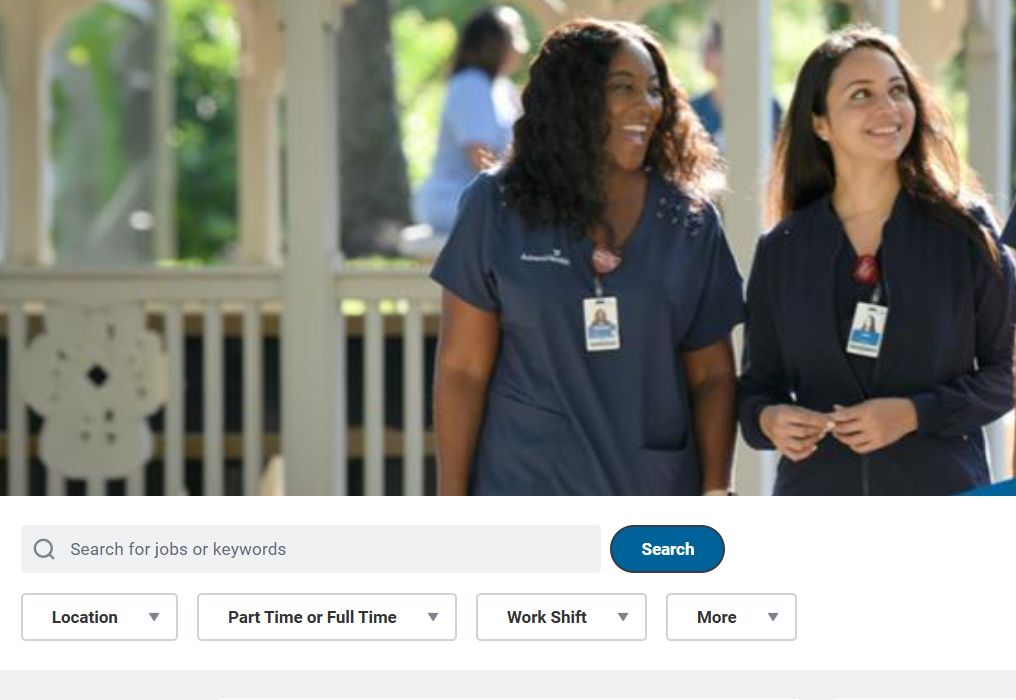
Workday Recruiting
AdventHealth's job portal at adventhealth.wd12.myworkdayjobs.com has over 4,000 active postings at any given time.
Their external careers site at jobs.adventhealth.com is not a native Workday portal -- it's a custom-built site that pulls live job data from Workday via MuleSoft APIs. Every listing in their system carries a MuleSoft integration tag, meaning the entire pipeline from Workday to their public careers site runs through an integration layer they built and maintain.
Workday Strategic Sourcing
AdventHealth uses Workday Strategic Sourcing for procurement and even published a supplier guide for vendors on how to use it. When you're buying across 57 hospitals you want everything in one place - otherwise you're just leaving money on the table through fragmented contracts.
Peakon Employee Voice
AdventHealth uses Peakon to track how employees are feeling across departments on an ongoing basis. Peakon gives HR an early warning signal rather than finding out someone's checked out when they hand in their notice.
Academic Medical Center - Bronx, NY
Montefiore Einstein is the university hospital for the Albert Einstein College of Medicine in the Bronx - 14 hospitals, 300+ locations, nearly 5,000 physicians, and the second largest medical residency program in the country.
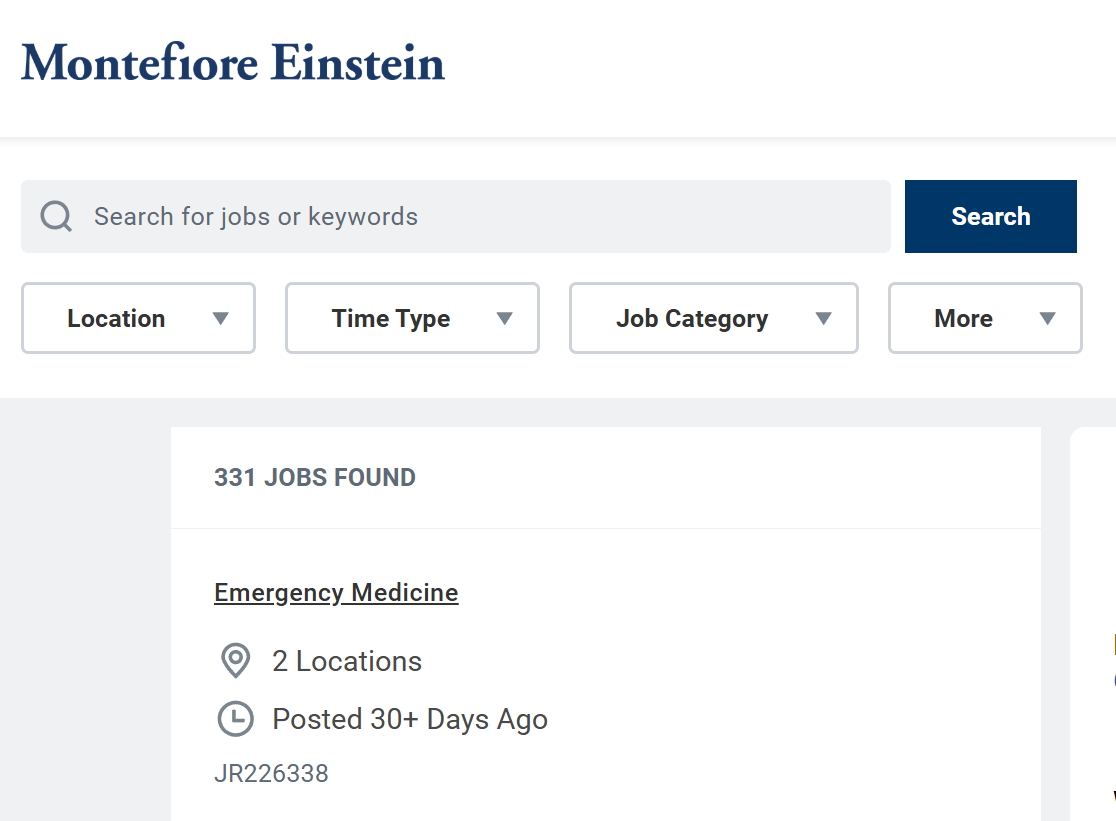
Workday Recruiting
Their portal is at montefiore.wd12.myworkdayjobs.com. Hiring at an academic medical center is genuinely more complicated than most places - you're recruiting physicians with board certifications and research portfolios alongside nurses, administrators, and everything in between. Having it all in one system rather than separate pipelines for clinical and non-clinical roles makes a real difference.
Workday VNDLY
Montefiore uses VNDLY for managing contingent workers - travel nurses and locum physicians. These are the people hospitals call when they have staffing gaps, and they cost significantly more than permanent staff. VNDLY gives visibility into what they're spending across all their staffing vendors so they're not overpaying for the same role through different agencies.
Workday Strategic Sourcing
Their supply chain team uses Workday Strategic Sourcing for procurement. With 5.3 million patient visits a year, they're constantly buying - medical equipment, pharmaceuticals, consumables. It all flows through Workday.
Peakon Employee Voice
Montefiore uses Peakon across 10,000+ staff, a lot of whom are working overnight shifts in high-pressure clinical environments.
Pediatric Hospital & Research Institute - Seattle, WA
Seattle Children's is one of the top children's hospitals in the US - around 9,000 employees, $3.9 billion in annual revenue, serving patients across Washington, Alaska, Montana, and Idaho.
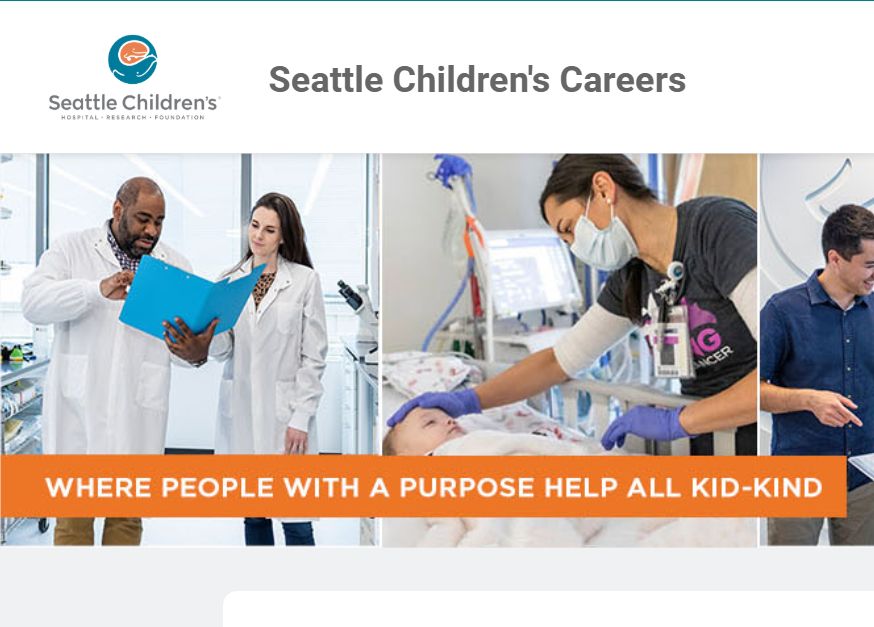
Workday Recruiting
Their jobs portal is at seattlechildrens.wd5.myworkdayjobs.com. One interesting detail: some roles are posted under an invite-only path, meaning they never show up in public search results and are only accessible if you've been sent a direct link. That's how they handle highly specialized pediatric roles where the candidate pool is tiny and they'd rather reach out directly than post publicly.
Workday Strategic Sourcing
Seattle Children's runs procurement through Workday Strategic Sourcing - covering medical devices, pharmaceuticals, facilities, and IT contracts.
Workday Learning
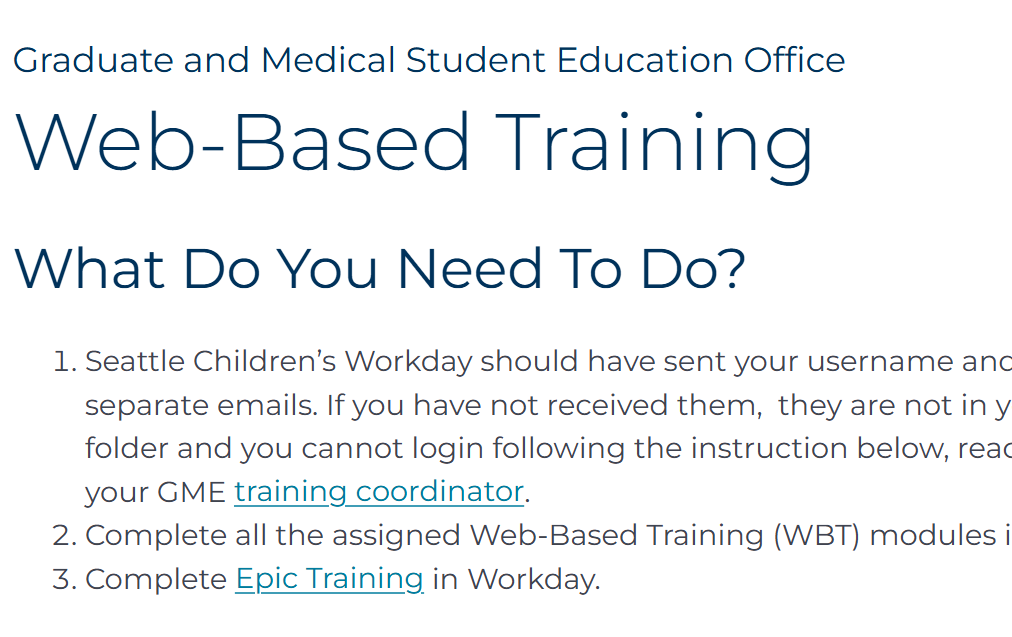
Seattle Children's uses Workday Learning for Graduate Medical Education training. Residents and fellows do their mandatory training and competency sign-offs through Workday, which means those records sit right next to their employee record rather than in a separate system nobody syncs properly.
Peakon Employee Voice
Seattle Children's uses Peakon for ongoing employee engagement tracking across departments.
Full ERP Replacement: July 2024 Go-Live
Seattle Children's went live on Workday in July 2024, replacing their legacy systems across the entire organization. The scope covers HCM, Payroll, Finance (including Financial Management, Adaptive Planning, and Prism Analytics), Supply Chain, Recruiting, Talent & Performance, and Research Grants administration.
The Grants module is the most distinctive piece -- managing the full lifecycle of pediatric research grants from pre-award through post-award compliance and financial reporting. Most hospital Workday implementations don't go near grants management. Seattle Children's did because they run a serious research institute alongside the hospital, and keeping grant financials in a separate system from the rest of finance creates real problems at audit time.
Internet Services & E-Commerce - Tokyo, Japan
Rakuten is a Japanese internet conglomerate spanning e-commerce, fintech, mobile, streaming, cashback rewards, and more across 30 countries. They're not one business - they're closer to 70 of them.
Workday Recruiting
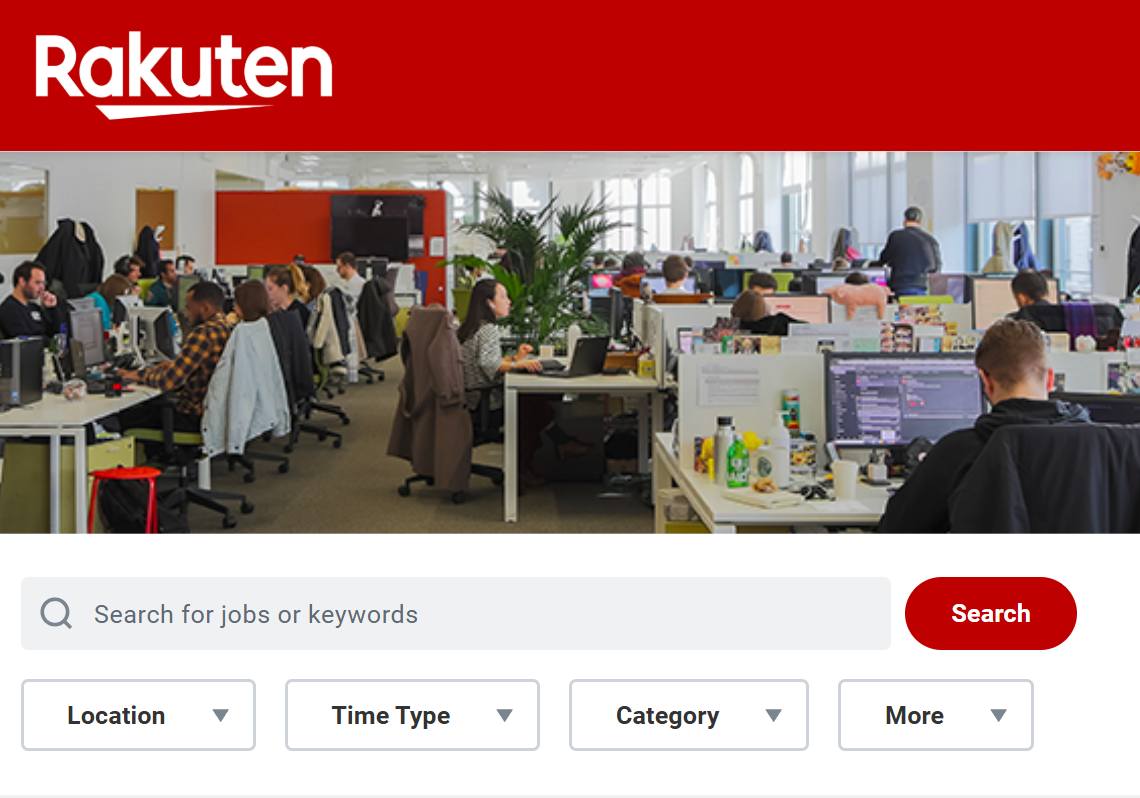
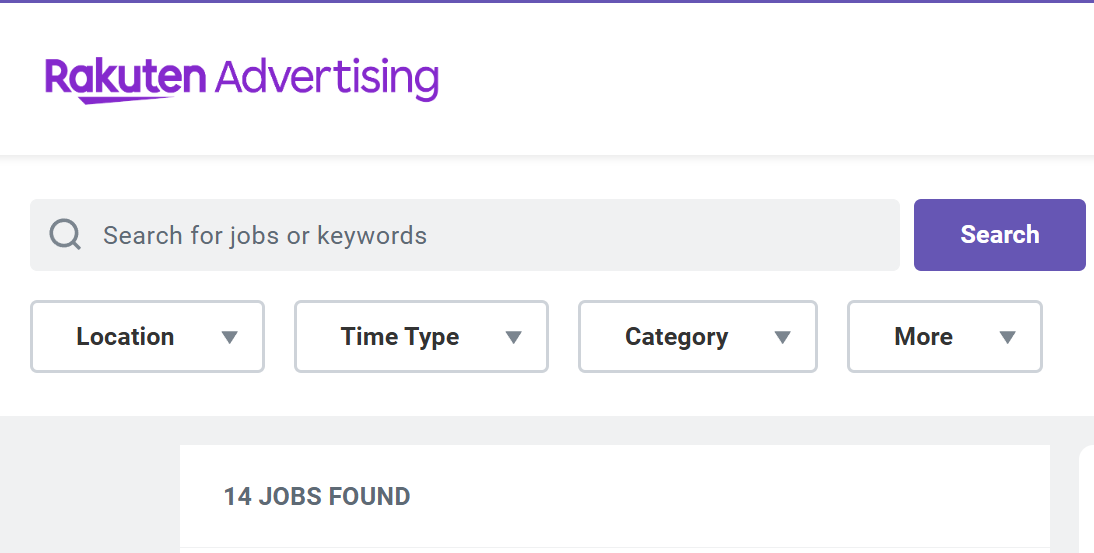
Rakuten runs all of their hiring through a single Workday tenant, with 15 separate portals for each subsidiary - Rakuten Inc (Tokyo HQ), Rakuten Rewards (the cashback app formerly known as Ebates), Kobo (e-readers), Rakuten Mobile (a Japanese carrier), Rakuten Viki (Asian streaming), and more. Each one has its own branded portal so candidates don't even realize they're all on the same platform.
Workday HCM: Group-Wide System of Record
Rakuten runs Workday across the entire group for Core HCM, Recruiting, Talent & Performance Management, and analytics -- including Workday Prism and Workforce Analytics for executive-level dashboards and reporting. The scope covers Americas, EMEA, APAC, and Japan simultaneously. For a conglomerate managing tens of thousands of employees across 70+ businesses and 30 countries, Workday is functioning as the single people data system of record across the whole group.
Global Brewing Company - Leuven, Belgium
AB InBev is the world's largest brewer - Budweiser, Corona, Stella Artois, Beck's, and hundreds of others. 170,000+ employees across 50+ countries.
Workday Recruiting
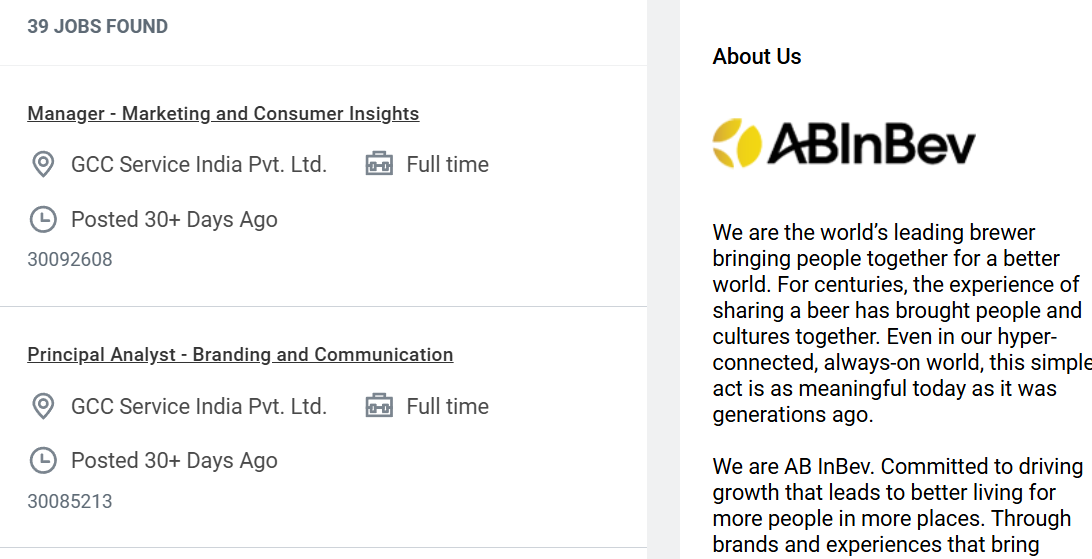
AB InBev runs 23 job portals on a single Workday tenant, covering six continents. They split by language - Spanish-speaking markets in Latin America get their own portal, while everywhere else runs through a shared English one. Their Africa footprint is particularly large, with four dedicated Sub-Saharan portals reflecting serious investment in what's one of the fastest-growing beer markets in the world.
Apparel & Footwear - Denver, CO
VF Corporation owns The North Face, Vans, Timberland, Dickies, Smartwool, Icebreaker, JanSport, Kipling, Napapijri, and Altra - all running through one Workday tenant with 31 separate job portals.
Workday Recruiting
Each brand has its own portal, and the bigger ones split further by region and type. The North Face has six - corporate, retail, EMEA corporate, EMEA retail, Spanish-language, and a general one. Vans has six too, including a separate distribution portal.
Kontoor Brands - which owns Wrangler and Lee and was spun out of VFC in 2019 as an independent public company - still has a portal on the VFC tenant. Five years after the spinoff, they're apparently still using VFC's Workday infrastructure.
Workday Extend: Custom App Development on Top of Workday
VFC uses Workday Extend -- the platform's native low-code development layer -- to build custom applications globally across their brands. They maintain a catalog of every Extend app in production, each documented with its integrations and system touchpoints. That's not typical. It means Workday is functioning as a development platform, not just an HR system, and VFC is actively managing it as such across a 30,000-person global organization.
Workday for SOX Compliance
VFC runs global HR SOX compliance through Workday, with payroll and business process data feeding directly into reporting for their Global Assurance and Internal Controls teams. Workday is part of the auditable financial control environment -- which puts it in a different category of criticality than a typical HCM deployment.
Freight & Package Transportation - Memphis, TN
FedEx is one of the largest employers in the world -- 575,000+ team members across more than 220 countries and territories, delivering roughly 14.5 million packages a day.
Workday Recruiting
FedEx runs Workday Recruiting globally, with localized portals across regions including a German-language portal for European hiring. Managing recruiting at this scale -- across express, ground, office, and supply chain divisions -- requires a system that can handle genuine complexity in role types, geographies, and employment classifications simultaneously.
Workday HCM: Enterprise-Scale HR Platform
FedEx runs Workday HCM across their full workforce covering Compensation, Payroll, Time Tracking, Benefits, Recruiting, and Security. They operate a dedicated internal HR Technology team -- described internally as the "HR Technology Train" -- with solution architects and integration consultants building and maintaining connections between Workday and the broader FedEx technology ecosystem, including Google Cloud Platform and external vendor interfaces.
Workday Strategic Sourcing
FedEx uses Workday Strategic Sourcing for procurement across their global operations.
Financial Services - McLean, VA
Capital One is one of the largest banks in the US -- 83,000+ employees, $490B in assets, and a reputation for running more like a tech company than a bank. That reputation extends to how they run Workday.
Workday Recruiting
Capital One runs Workday Recruiting at capitalone.wd12.myworkdayjobs.com for their full US workforce, with global scope extending to the UK, Canada, India, Mexico, and the Philippines.
Workday as an Engineering Platform
Capital One runs two parallel Workday engineering tracks -- one for HR (HCM, Recruiting, Compensation, Payroll, Benefits, Time Tracking, Performance) and a separate one for Finance (General Ledger, Fixed Assets, Expenses, Global Consolidation, Invoices, Payments, Suppliers, Prism, Accounting Center). Most banks their size use Workday for HR only and keep finance on legacy systems -- Capital One runs both, and builds custom applications on top of Workday using Workday Extend.
Workday Strategic Sourcing
Capital One uses Workday Strategic Sourcing for procurement across the enterprise.
Home Health, Hospice & Senior Living - Eagle, ID
The Pennant Group (NASDAQ: PNTG) owns a portfolio of home health, hospice, and senior living agencies. Their whole philosophy is decentralization - each acquired agency keeps its own name, its own leadership, its own local identity. That shows up directly in how they use Workday.
Workday Recruiting
Every one of their 39 agencies has its own branded Workday portal. Someone applying to Harmony Hospice or Big Sky Home Health and Hospice has no idea they're applying through a national holding company's platform. None of the portals mention Pennant. Some agencies even break down by city - there are separate portals for Signature HC in Eugene, Portland, and the Oregon Coast.
The bet is that in hospice and home health, local name recognition matters. Families choosing end-of-life care want a familiar local organization, not a national brand. Workday gives Pennant consolidated hiring visibility across all 39 agencies while each one still looks completely independent to the outside world.
Centralized Workday, Decentralized Brands
The contrast between Pennant's operating philosophy and their Workday footprint is striking. Every agency operates independently with its own name and leadership -- but underneath, the entire portfolio runs on a single Workday instance managed from the Service Center in Eagle, Idaho.
The scope covers Payroll, Time Tracking, Absence, Financials, Adaptive Planning, Learning, Talent, Performance, Recruiting, and Benefits across all 39 agencies.
Municipal Government - Baltimore, MD
Baltimore is the largest independent city in the US - it's not part of any county, so it handles both city and county-level government functions on its own. Over 10,000 employees across police, public works, health, and every other city agency. Municipal governments are not typical Workday customers, which makes Baltimore interesting.
Workday HCM & Recruiting
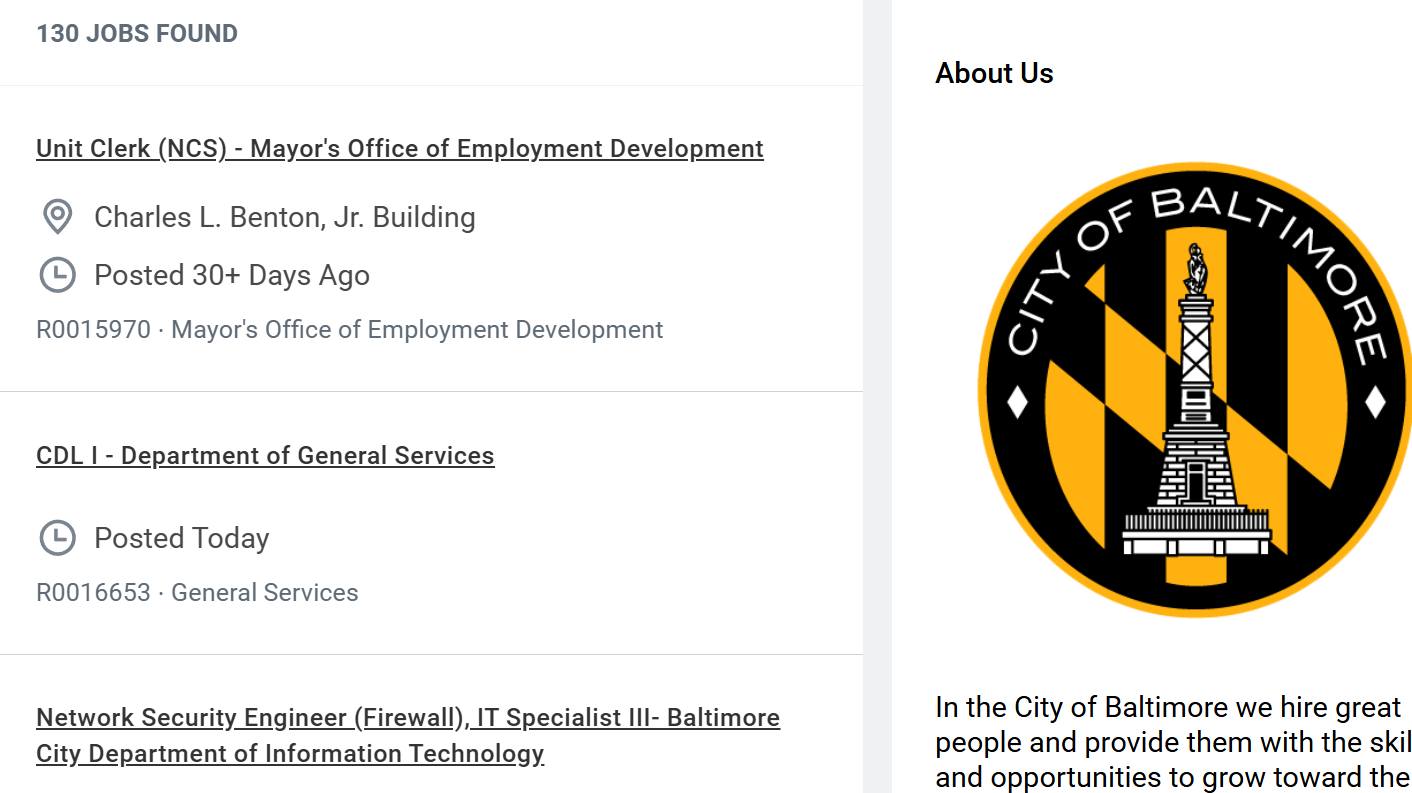
The city's jobs portal is at baltimorecity.wd1.myworkdayjobs.com/External. They've also published a dedicated Workday help page on their city website for employees navigating the system - a sign that this is a serious, city-wide rollout rather than just one department using it.
Workday Strategic Sourcing
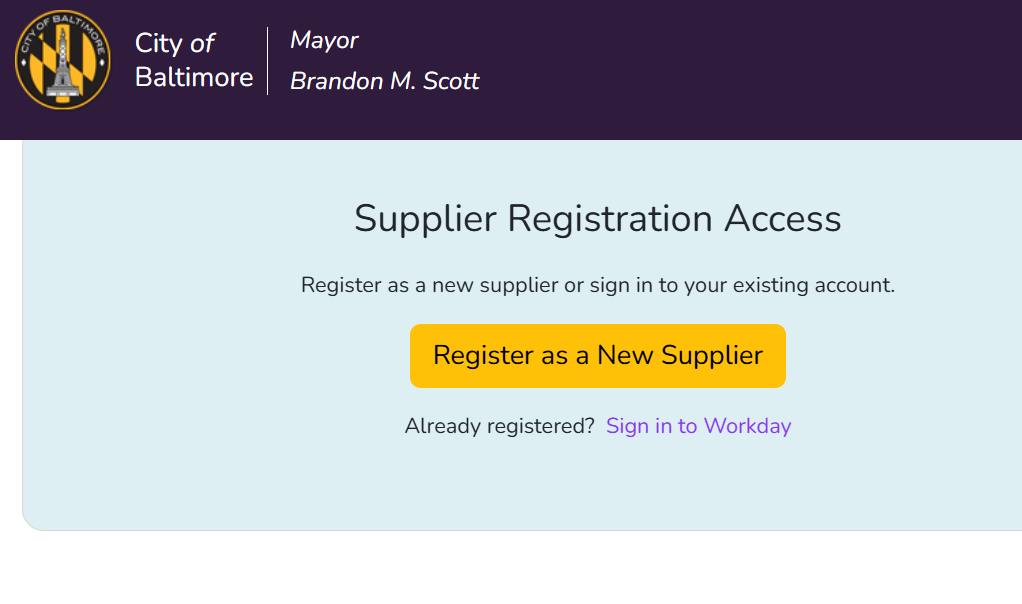
Baltimore's procurement office runs vendor registration and supplier management through Workday Strategic Sourcing. Any company that wants to do business with the city goes through the Workday platform.
Peakon Employee Voice
Baltimore uses Peakon for employee engagement across city agencies. Government workforces are complicated - you've got union dynamics, budget pressures, and leadership that changes with elections. Continuous listening is more useful than an annual survey that nobody acts on before the political landscape shifts.
Workday Financials and Analytics
Baltimore's Department of Finance runs Workday Financials for budget-to-actual reporting, general ledger management, and budget amendment workflows across all city agencies. The Budget Office uses Workday as its primary tool for importing position datasets, tracking expenditures, and resolving budget validation errors citywide.
Baltimore also built a dedicated Workday data science function -- using Workday as an analytics platform for city operations. That's unusual even for private sector customers, let alone a municipal government running on civil service hiring timelines and public-sector IT budgets.
Regional Bank - Green Bay, WI
Associated Banc-Corp (NYSE: ASB) is the largest bank holding company in Wisconsin - $45 billion in assets, around 5,000 employees across 200+ locations in Wisconsin, Illinois, and Minnesota.
Workday Recruiting
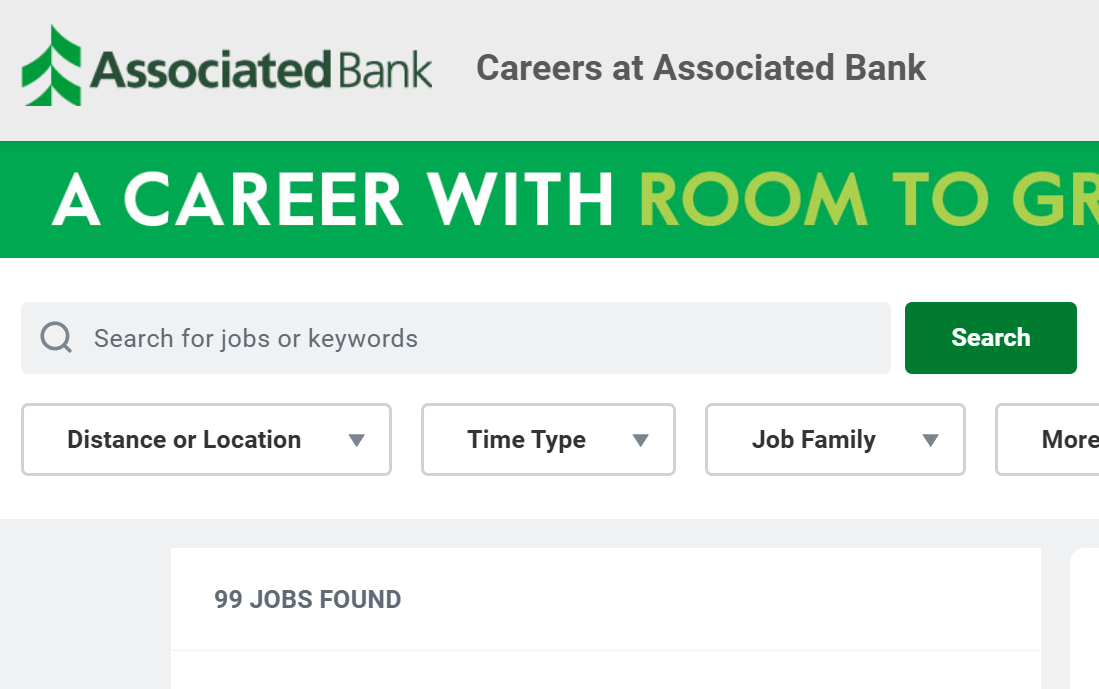
Their careers portal is at associatedbank.wd1.myworkdayjobs.com/external_careers, covering everything from branch tellers to commercial banking and mortgage roles.
Workday Strategic Sourcing
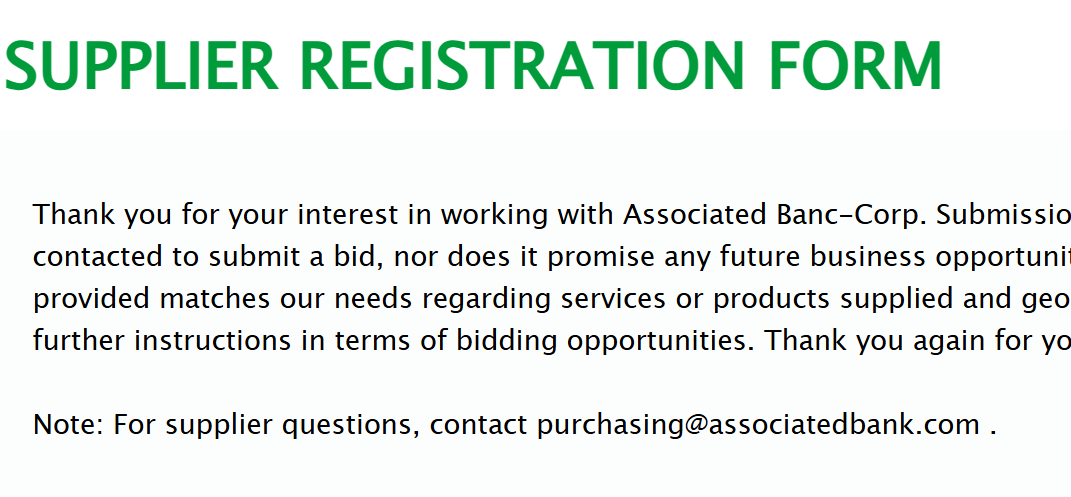
Their supplier registration form asks the usual questions - what you do, where you operate, diversity certifications. But there's one field that stands out: it asks whether the vendor is already an Associated Bank business banking customer. That's a smart way to either flag potential conflicts of interest or identify vendors they could pitch their own banking services to.
Peakon Employee Voice
Associated uses Peakon for employee engagement across their 200+ locations. Regional banks are constantly losing people to bigger national banks and fintechs, so knowing early which teams are unhappy is worth a lot.
Workday Financials and Adaptive Planning
Associated runs Workday across both HR and Finance -- a full dual-pillar deployment covering HCM alongside Financial Accounting, Procurement, Suppliers, Business Assets, Accounting Center, and Adaptive Planning for budgeting and forecasting. Most regional banks their size run Workday for HR only and keep finance on legacy systems. Associated went further, and maintains a dedicated Workday technical architecture function managing integrations across both pillars simultaneously.
Credit Union - Jacksonville, FL
VyStar started as Jax Navy Federal Credit Union in 1952 and has grown into one of the largest credit unions in the country - 925,000+ members, $13.5 billion in assets, and the biggest mortgage lender in Northeast Florida.
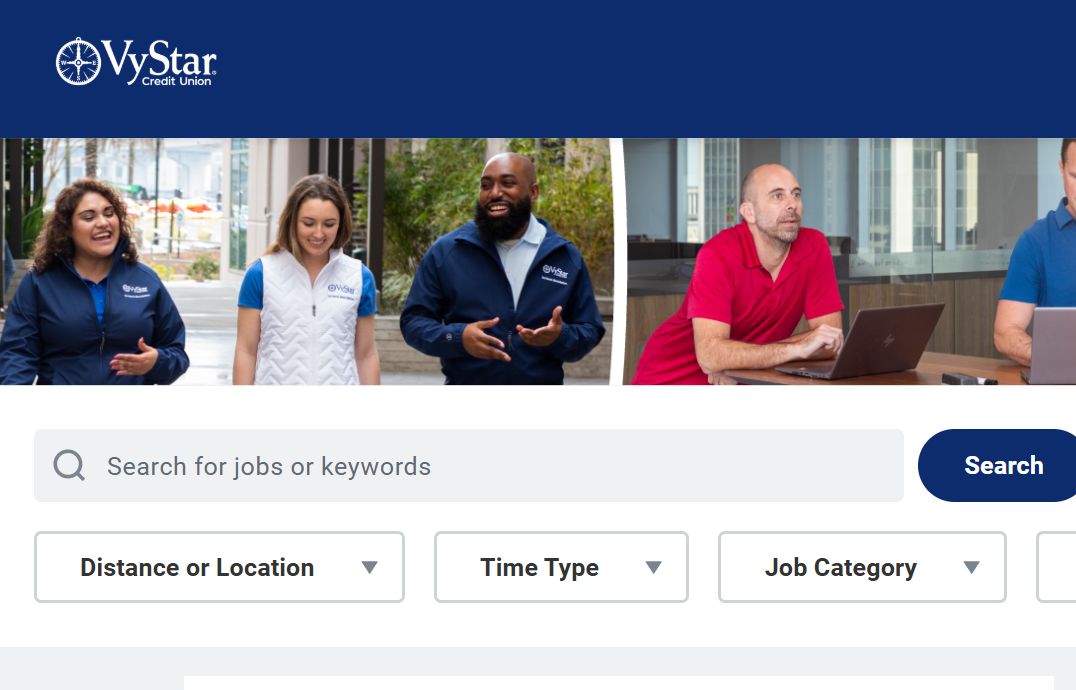
Workday Recruiting
Their careers portal is at vystarcu.wd1.myworkdayjobs.com/Careers, covering branch and corporate roles across Florida and Georgia.
Workday Financials & Adaptive Planning
VyStar has gone further than most credit unions their size - they're running Workday Financials alongside HR, not just using Workday for people management. Their finance team uses Workday Adaptive Planning for budgeting and capital planning.
Workday Strategic Sourcing & Peakon Employee Voice
VyStar also uses Workday Strategic Sourcing for procurement and Peakon for employee engagement across their 2,000+ staff in Florida and Georgia.

 Alyeska Pipeline Service Company
 Walbec Group
 Minderoo Foundation
 First Advantage
 FirstGroup plc
 Baptist Health
 Informa
 Convergint
 Bayer
Bayer
 EllisDon
 Genesis Energy, L.P.
 Mesalvo GmbH
 GROUPE CORIANCE
 Consertus
 Bleckmann
 San Juan County
 EZE Cloud Consulting
 Seven West Media
 Nexthink
 AdventHealth
 Montefiore Einstein
 Seattle Children's
 Rakuten
 AB InBev
 VF Corporation
 FedEx
FedEx
 Capital One
 Pennant Group
 City of Baltimore
 Associated Banc-Corp
 VyStar Credit Union