We detected 787 companies using Restaurant365 and 46 companies that churned. The most common industry is Restaurants (62%) and the most common company size is 2-10 employees (46%). We find new customers by discovering URLs with known URL patterns through web crawling or modifications to subprocessor lists.
📊 Who usually uses Restaurant365 and for what use cases?
Source: Analysis of job postings that mention Restaurant365 (using the Bloomberry Jobs API)
Job titles that mention Restaurant365
i
Based on an analysis of job titles from postings that mention Restaurant365.
Job Title
Share
Accountant
26%
Controller
15%
Staff Accountant
13%
Accounts Receivable/Payable Specialist
5%
I noticed that Restaurant365 buyers are predominantly finance leaders in multi-unit restaurant operations. Controllers represent 15% of roles, Directors of Accounting make up 3%, and there's even a VP of Accounting and CFO position in the mix. These finance executives are prioritizing candidates with deep hospitality accounting knowledge and experience managing complex reporting across multiple locations. They're building teams to handle consolidation, compliance, vendor management, and strategic financial planning.
The day-to-day users are heavily concentrated among accounting practitioners. Accountants represent 26% of roles and Staff Accountants another 13%, with AP/AR specialists adding 5%. These professionals are using Restaurant365 for daily sales reconciliation, invoice processing, general ledger maintenance, and month-end close procedures. I saw multiple references to reconciling POS systems like Toast against accounting records, managing vendor payments, and preparing location-level P&L reports. The platform clearly serves as the central hub connecting operational data from restaurants to financial reporting.
The core pain point is managing financial complexity across distributed restaurant locations. Companies describe needing to "ensure accurate integration into accounting systems" and "reconcile data from third-party sales, delivery, and online ordering platforms." One posting specifically mentions the need to "streamline financial processes" and "deliver actionable insights to drive business growth." These organizations want unified visibility into multi-unit performance while maintaining accuracy and control over daily transactions flowing from multiple technology systems.
👥 What types of companies use Restaurant365?
Source: Analysis of Linkedin bios of 787 companies that use Restaurant365
Company Characteristics
i
Shows how much more likely Restaurant365 customers are to have each trait compared to all companies. For example, 2.0x means customers are twice as likely to have that characteristic.
Trait
Likelihood
Industry: Restaurants
90.5x
Industry: Food & Beverages
36.9x
Industry: Food and Beverage Services
14.6x
Company Size: 501-1,000
4.6x
Company Size: 1,001-5,000
4.1x
Country: US
3.9x
I analyzed these Restaurant365 customers and found they're predominantly restaurants and hospitality concepts, but with a specific profile. These aren't fast food chains or single locations. They're what I'd call "multi-unit independents" – locally owned restaurant groups operating anywhere from 2 to 80 locations. They serve everything from barbecue and pizza to sushi and Vietnamese street food, but the common thread is they're building recognizable local or regional brands while maintaining that independent, founder-led identity.
Most of these companies sit in that critical growth phase between startup and enterprise. They've proven their concept with 2-10 locations and are actively expanding. The employee counts are telling – many show 50-500 employees with occasional discrepancies suggesting rapid growth. Some have taken modest funding rounds (Ladybird Taco raised $1M, Maria Empanada $3.5M), but most appear bootstrapped. They're at the stage where spreadsheets break and they need real restaurant management systems.
🔧 What other technologies do Restaurant365 customers also use?
Source: Analysis of tech stacks from 787 companies that use Restaurant365
Commonly Paired Technologies
i
Shows how much more likely Restaurant365 customers are to use each tool compared to the general population. For example, 287x means customers are 287 times more likely to use that tool.
I noticed something clear in this data: Restaurant365 customers are full-service restaurants and hospitality groups that have committed to a modern, digital-first operations strategy. The tools appearing alongside Restaurant365 tell me these aren't quick-service chains or casual fast food operations. They're sit-down restaurants investing heavily in online ordering, event management, and customer experience platforms. This combination suggests companies at a growth inflection point who need serious back-office infrastructure to match their customer-facing technology investments.
The pairing with TripleSeat is particularly revealing. TripleSeat handles event and private dining bookings, which means these restaurants derive meaningful revenue from catering and special events, not just walk-in traffic. When you combine that with BentoBox and Popmenu, both website and menu management platforms for upscale restaurants, I see operators who care deeply about brand presentation and direct customer relationships. They're not just listing themselves on third-party marketplaces. They're building owned digital properties. The Toast Online Ordering and DoorDash Storefront connections make sense too, these restaurants adapted to delivery and takeout but needed the accounting complexity that comes with multiple revenue streams.
The full picture suggests these are sales and operations-led organizations, likely in growth or scale-up mode. They've moved past startup phase where a simple POS system suffices. With multiple locations or complex operational needs like catering, inventory management across venues, and reconciling revenue from various channels, they need Restaurant365's accounting and back-office capabilities. These aren't product-led companies experimenting with self-service tools.
Alternatives and Competitors to Restaurant365
Explore vendors that are alternatives in this category

 Moonlit Burgers - Moonlit Burgers
 Triano's Pizza | Chicago Syle Pizza
 Sus Hi Eatstation
 Premium Loaves Inc.
 FSC Franchise Co.
 Great Food in Blanding Utah - Patio Diner | Burgers and Shakes
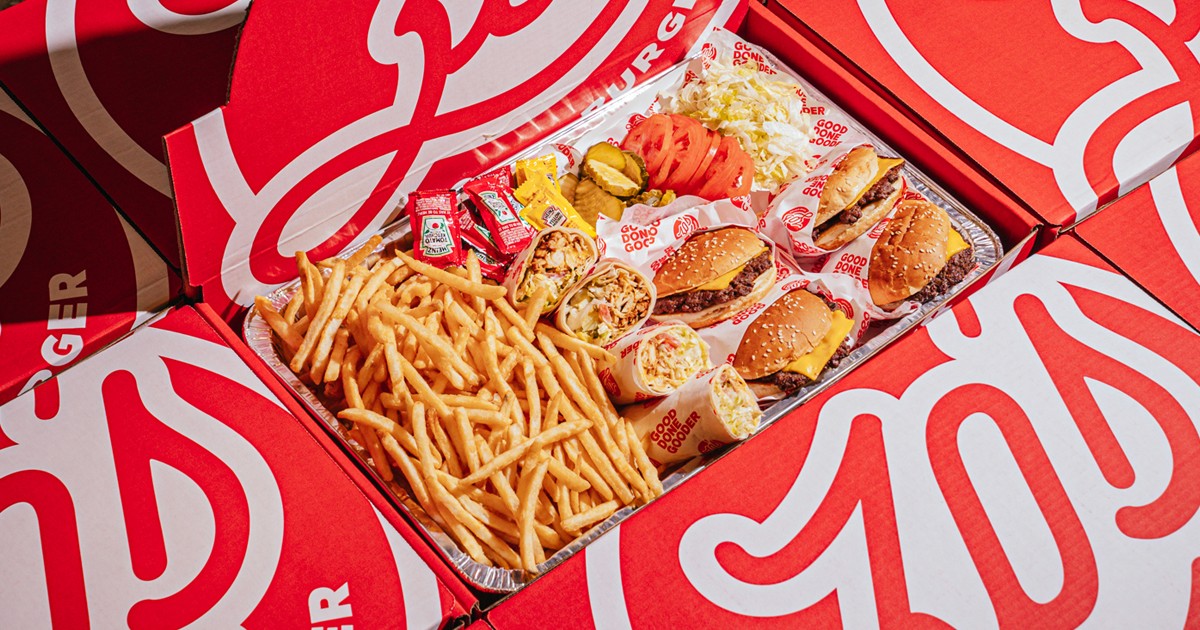 Zo's Good Burger - Livonia
 Simply Salad
 Local Favorite Restaurants
 Carrot & Daikon
 abbeystexasbbq.com
 High Tide Harry’s
 Parker John’s Bbq & Pizza
 El Toro Mexican Restaurant
 TASTE Family of Businesses
 Prince Street Pizza
 Pelican Brewing Company