We detected 472 companies using SparkLayer and 34 companies that churned. The most common industry is Retail (49%) and the most common company size is 2-10 employees (71%). We find new customers by discovering URLs with known URL patterns through web crawling or modifications to subprocessor lists.
Note: We only track companies that start B2B customer portals in SparkLayer
Source: Analysis of Linkedin bios of 472 companies that use SparkLayer
Company Characteristics
i
Shows how much more likely SparkLayer customers are to have each trait compared to all companies. For example, 2.0x means customers are twice as likely to have that characteristic.
Trait
Likelihood
Industry: Retail Apparel and Fashion
22.8x
Industry: Retail
11.0x
Country: AU
4.4x
Country: GB
2.4x
Company Size: 2-10
1.5x
Country:
1.4x
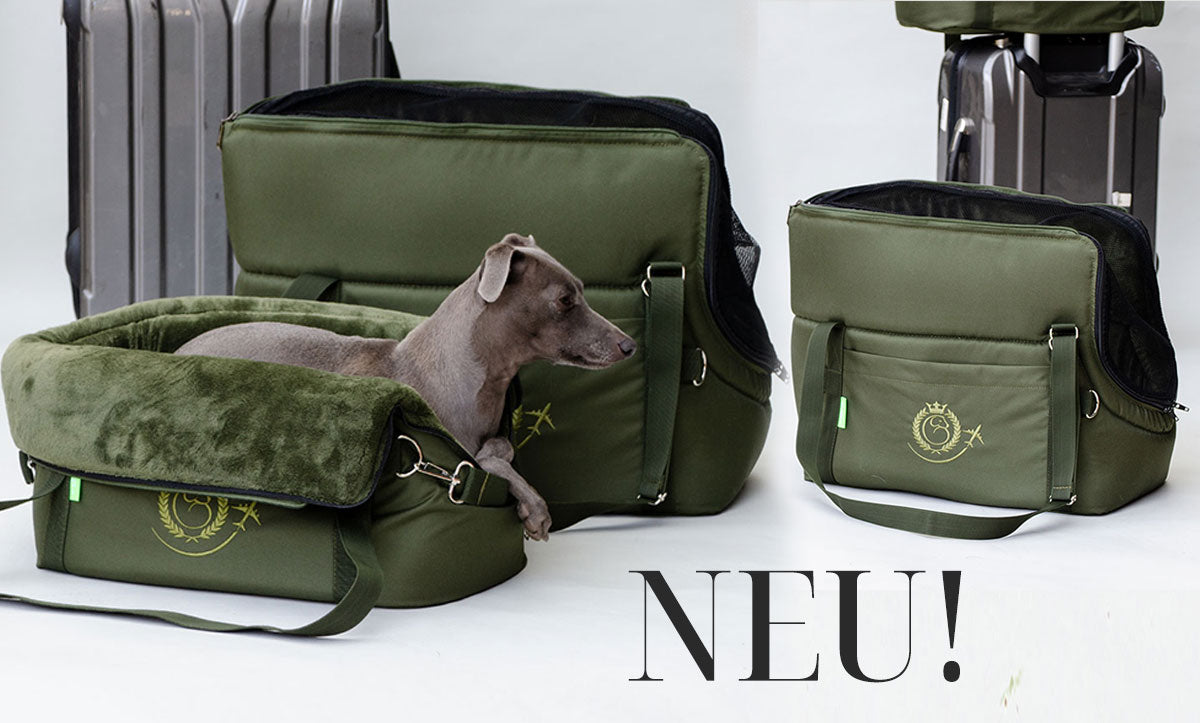
I noticed that SparkLayer's typical customer is a company selling physical products, often with a strong emphasis on quality craftsmanship and brand story. These aren't tech companies or service providers. They're manufacturers and retailers of tangible goods: specialty foods and beverages, apparel and sportswear, pet products, skincare and cosmetics, outdoor gear, home furnishings, and niche sporting equipment. Many position themselves as premium or specialty brands rather than mass market players.
These are predominantly small to mid-sized companies. The employee counts cluster heavily in the 2-10 and 11-50 ranges, with occasional outliers up to 200 employees. Very few have disclosed funding, and when they do, it's typically seed stage or small grants under $500K. Most appear to be bootstrapped, profitable businesses rather than venture-backed startups chasing hypergrowth. They're at the stage where they've proven product-market fit and are looking to professionalize operations and scale sustainably.
🔧 What other technologies do SparkLayer customers also use?
Source: Analysis of tech stacks from 472 companies that use SparkLayer
Commonly Paired Technologies
i
Shows how much more likely SparkLayer customers are to use each tool compared to the general population. For example, 287x means customers are 287 times more likely to use that tool.
I analyzed the tech stack data and found that SparkLayer customers are clearly Shopify-based e-commerce companies running subscription and B2B wholesale operations. The overwhelming presence of Shopify (27.3x more likely) combined with subscription tools like Recharge and Seal Subscriptions tells me these are direct-to-consumer brands expanding into recurring revenue models and wholesale channels. They're not traditional retailers but digitally native businesses building complex, multi-channel operations on top of Shopify.
The pairing of Klaviyo with SparkLayer makes perfect sense because these companies need sophisticated email marketing to nurture both retail customers and wholesale buyers differently. Triple Whale appearing 75.4x more likely suggests they're tracking complex attribution across consumer and B2B sales channels. Recharge and Seal Subscriptions being present points to companies managing subscription boxes or auto-replenishment programs while simultaneously selling to retail partners. Uppromote's presence indicates they're running affiliate programs, likely recruiting their wholesale customers as brand ambassadors.
The full stack reveals marketing-led organizations in growth stage, probably past the initial product-market fit and now scaling distribution. They're data-driven companies investing in analytics and attribution tools, using marketing automation to handle increasingly complex customer journeys. These aren't early startups but aren't enterprise either. They're in that critical phase where managing wholesale relationships manually breaks down and they need dedicated B2B functionality without leaving their Shopify ecosystem.
Alternatives and Competitors to SparkLayer
Explore vendors that are alternatives in this category

 Secret Linen Store
 Reclaim Nation
 MUZZYbrand.com
 MATCHADO / 抹茶堂
 Alfarería La Navà
 Homely.au
 High Tail Designs
 erin gray design
 Big Spoon Roasters
 Azza Fencing
 TUFFA BOOTS
 The Dutch Tile Project
 4legs.de
 Yum Crumbs
 Weaver Green
 Victoria Eggs Ltd.
 Out of the Woods
 One Stop Rave


