The following is a sample of companies using Okta, pulled from our dataset. They include Okta Workforce Identity customers, Auth0 deployments, and Okta Advanced Server Access. The purpose is to show you our data is accurate, as well as showcase some interesting customer stories.
Vertical Market Software Acquirer - Mississauga, ON - Founded 2011
Volaris Group is a buy-and-hold acquirer of vertical market software companies, operating as a division of Constellation Software (TSX: CSU). They never sell the companies they acquire - they hold them forever, invest in their people, and let them run autonomously within their niche markets.
Okta Workforce Identity
Volaris Group uses Okta at as the identity backbone for their entire portfolio.
For Volaris Group, Okta solves their acquisition onboarding problem. Every new company that joins the portfolio gets provisioned into Okta immediately - shared group resources become accessible from day one, without requiring a full IT migration or forcing the acquired company to rip out its existing systems.
Okta also handles workforce mobility across the portfolio. Volaris employees who move between subsidiaries or take on cross-group roles don't need new credentials for every tool - one identity follows them across the portfolio.
Global Marketing & Communications - London, UK - Founded 1971
WPP is the world's largest advertising and marketing services group, home to agencies including Ogilvy, GroupM, VMLY&R, Hogarth, and dozens more. They operate in over 100 countries with around 100,000 employees serving ~300 of the Fortune Global 500.
Okta Workforce Identity
Decades of acquisitions had left WPP with over 250 separate directories and fragmented IT across hundreds of agencies. Okta solved that problem.
Over 196 agencies and subsidiaries now use the same Okta instance - spanning creative agencies, media buying operations, production houses, PR firms, and specialist consultancies across every major market.
That single instance is the system of record for every joiner, mover, and leaver across the group -- user provisioning, access changes, and offboarding all managed directly in Okta.
Physical Therapy Network - Louisville, KY - Founded 2014
Confluent Health is a PE-backed (Partners Group) roll-up of outpatient physical therapy practices, now operating 1,500+ clinics across 36 states under 50+ brands. Their model: acquire independent PT practices, let them keep their local brand and culture, and provide centralized back-office support - billing, compliance, marketing, HR, and IT.
Okta Workforce Identity
Confluent Health uses Okta, federating 44+ acquired practice brands through a single identity layer.
Each acquired clinic keeps its own brand, but Okta handles authentication centrally. Therapists at Hands-On Physical Therapy, Peak Physical Therapy, Capitol Physical Therapy - all logging in through the same Confluent Health Okta org. It's how you run IT for a company that grows by acquisition.
They've also turned on passwordless login -- clinical staff tap their phone to verify their identity instead of typing a password, which matters when you're moving between treatment rooms and shared workstations all day.
Residential Real Estate Franchisor - Madison, NJ - Founded 1906
Anywhere Real Estate owns Coldwell Banker, Century 21, Sotheby's International Realty, Corcoran, ERA, and Better Homes and Gardens Real Estate -- plus title, settlement, and mortgage businesses sitting underneath those brands.
Okta Workforce Identity
Over 74 brands and subsidiaries use the same Okta instance -- franchise brands, regional brokerages, title companies, and settlement firms. Coldwell Banker alone has a dozen regional and co-branded portals all running through it.
With thousands of agents and brokers operating under different brand names across different states, one shared identity layer is what lets them all access the same tools -- listing systems, transaction management, marketing platforms -- without rebuilding IT for every brand separately.
External API Authentication
Okta also powers authentication for Anywhere's external developer platform. Third-party developers and partner apps that integrate with Anywhere's data -- listings, transactions, agent and office information -- authenticate via Okta credentials to get API access. So the same identity layer that handles internal employees also controls who can connect to their systems from the outside.
Global Media & Entertainment - New York, NY - Founded 1912
Paramount owns CBS, MTV, Nickelodeon, Comedy Central, BET, Paramount+, and dozens of local TV stations across the US and internationally.
Okta Workforce Identity
Over 95 properties use the same Okta instance -- CBS local stations across major US markets, MTV's international sites, Nickelodeon properties in the UK, France, Russia and Latin America, Comedy Central's international presence, and even the Spongebob shop and Cartman's website.
IT teams manage joiners, role changes, and leavers directly in Okta -- it's the system of record for who has access to what.
Privileged Access Management
Okta is integrated into Paramount's PAM infrastructure, governing privileged credentials and secrets across Windows, Linux, AWS, and Azure environments - not just standard employee logins.
External Partner Access
When external studios, licensees, or distribution partners need access to Paramount's media delivery systems, they're provisioned through Okta too -- so the same identity layer covers both employees and outside collaborators.
SaaS Management Platform - New York, NY - Founded 2011
BetterCloud is a SaaS management and security platform - helping IT teams automate user lifecycle management, enforce file governance policies, and manage SaaS sprawl across tools like Google Workspace, Slack, Salesforce, and dozens more.
Okta Workforce Identity
BetterCloud uses Okta Workforce Identity for their internal employees.
Auth0 - Customer-Facing Login
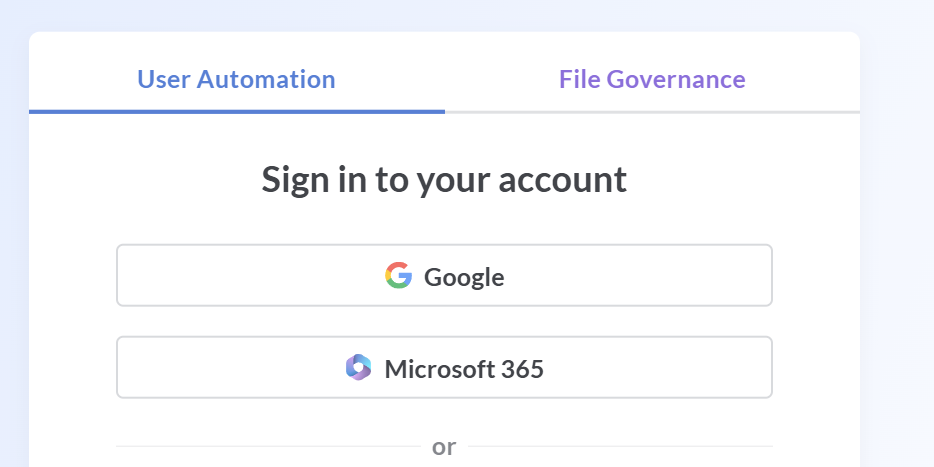
Their customer-facing product login at login.bettercloud.com runs on Auth0 - Okta's customer identity platform - offering Google and Microsoft 365 as social login options alongside email/password.
Okta Advanced Server Access
BetterCloud also uses Okta Advanced Server Access for securing infrastructure-level access - extending Okta identity down to SSH and RDP sessions on servers, so engineers authenticate to machines the same way they authenticate to SaaS apps.
Okta Technology Partner
BetterCloud is one of Okta's closest integration partners - their platform is built to automate user provisioning and deprovisioning workflows triggered by Okta identity events. So they're simultaneously an Okta customer (Workforce for employees, Auth0 for customers, Advanced Server Access for infrastructure) and an Okta technology partner. The whole stack is Okta, top to bottom.
Infrastructure Security & Automation - San Francisco, CA - Founded 2012
HashiCorp makes the tools that underpin modern cloud infrastructure - Terraform for provisioning, Vault for secrets management, Consul for networking, and Nomad for workload orchestration. Acquired by IBM in 2024, their products are used by most of the Fortune 500 to manage infrastructure at scale.
Okta Workforce Identity
HashiCorp uses Okta Workforce Identity for their internal employees.
Worth noting: IBM, which acquired HashiCorp in early 2025, runs its own identity platform internally -- IBM Security Verify -- rather than Okta. Whether HashiCorp eventually gets migrated onto IBM's stack or stays on Okta is an open question. For now, Okta is still what HashiCorp runs on.
Auth0 - Customer-Facing Login
The HCP (HashiCorp Cloud Platform) portal at portal.cloud.hashicorp.com uses Auth0 for customer authentication.
Okta Advanced Server Access
HashiCorp also uses Okta Advanced Server Access to secure SSH access to their own infrastructure. The irony is not lost - the company that makes Vault for managing infrastructure secrets uses Okta ASA to control who can actually reach those servers. It's a complementary stack: Vault manages secrets and credentials, ASA manages who gets authenticated access to the machines in the first place.
Specialty Retail - Irvine, CA - Founded 1982
Tillys is a specialty retailer of casual apparel, footwear, and accessories with around 240 stores across the US, targeting teens and young adults with brands like Vans, Nike, Billabong, and their own RSQ label.
Okta Workforce Identity
Tillys uses Okta Workforce Identity for their corporate and store employees.
Auth0 - Customer-Facing Login
Tillys uses Auth0 to power customer account sign-in on tillys.com - handling registration, login, and session management for their online shoppers.
Okta Advanced Server Access
Tillys also uses Okta Advanced Server Access for securing engineer and IT access to backend infrastructure. For a retailer running e-commerce at scale with PCI-scoped environments, locking down who can SSH into production servers is non-negotiable.
Cloud Communications Platform - San Francisco, CA - Founded 2008
Twilio is the leading cloud communications platform, providing APIs for SMS, voice, email (SendGrid), and customer data (Segment). Millions of developers and tens of thousands of businesses use Twilio to build communications into their products. Twilio also sells Verify - their own developer-facing authentication and phone verification API.
Okta Workforce Identity
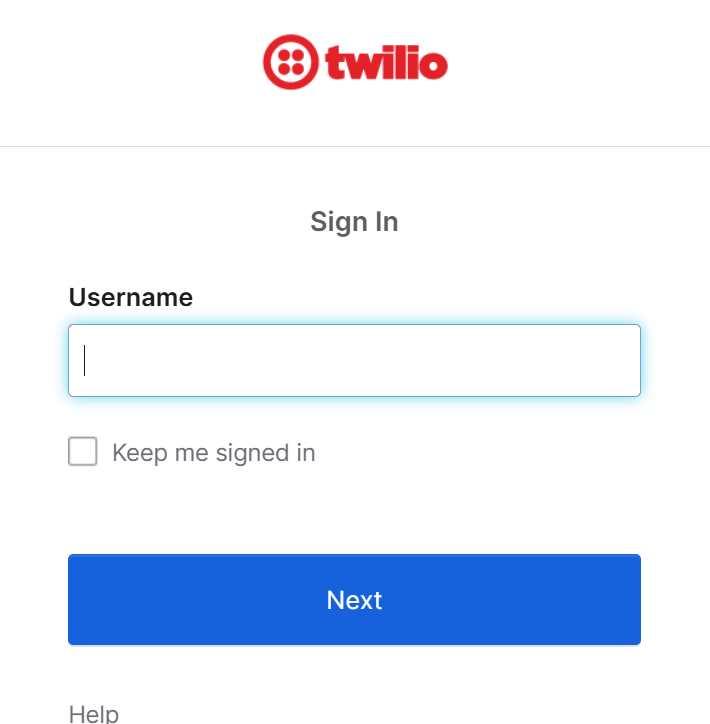
Twilio uses Okta Workforce Identity for their internal employees.
Okta is the identity layer their entire distributed workforce runs on -- managing access as part of onboarding, offboarding, and day-to-day IT support globally.
SOX Compliance
Okta is also part of Twilio's SOX compliance audit -- access reviews, user provisioning, and deprovisioning are all tracked and audited there.
Auth0 - Customer-Facing Login
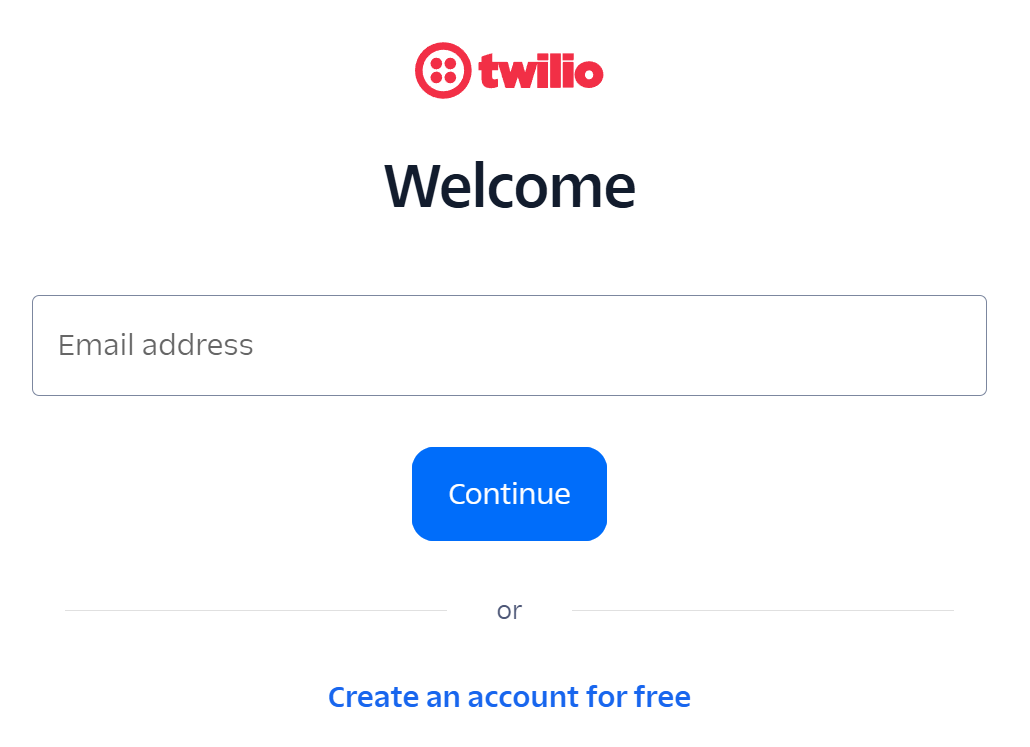
The Twilio console - where developers manage their accounts, phone numbers, and API keys - uses Auth0 for customer authentication. That's worth pausing on: Twilio sells Verify, their own phone-based authentication product, yet chose Auth0 for their own customer login. It's a vote of confidence in the Auth0 platform from a company that competes in an adjacent space.
Okta Advanced Server Access
Twilio also uses Okta Advanced Server Access for infrastructure access control. For a company whose platform handles billions of messages and calls and has been a high-profile breach target in the past, tight control over who can reach production servers is especially critical.
Global Professional Services & Insurance - New York, NY - Founded 1871
Marsh McLennan is the world's largest insurance broker, operating four businesses under one roof: Marsh, Guy Carpenter, Mercer, and Oliver Wyman. Around 85,000 employees across 130 countries.
Okta Workforce Identity
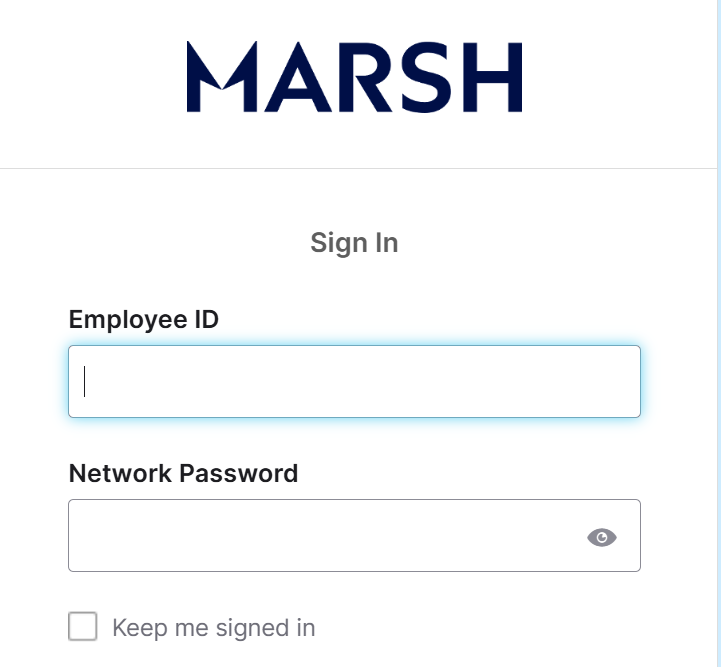
Marsh McLennan uses Okta, federating all four of their major operating businesses through a single identity org.
All four major businesses - Marsh, Guy Carpenter, Mercer, and Oliver Wyman - route through the same Okta instance. Beyond the marquee brands, dozens of acquired regional brokerages, specialty insurers, and consulting boutiques are in there too - NERA Economic Consulting, Lippincott, Assurance Agency, Honan Insurance Group and more. Over 53 subsidiaries in total.
Okta is also explicitly named as the identity platform for Mercer's security infrastructure specifically, handling SSO and MFA across that business. And it sits inside Marsh McLennan's SOX compliance program -- user provisioning, termination, and access recertification are all managed and audited through Okta as part of their regulatory obligations.
Data Integration & Analytics - King of Prussia, PA - Founded 1993
Qlik is a data integration and analytics platform used by thousands of enterprises to move, transform, and visualize data. Their product suite spans ETL pipelines, real-time data streaming, and business intelligence - competing with the likes of Tableau, Power BI, and Fivetran.
Okta Workforce Identity
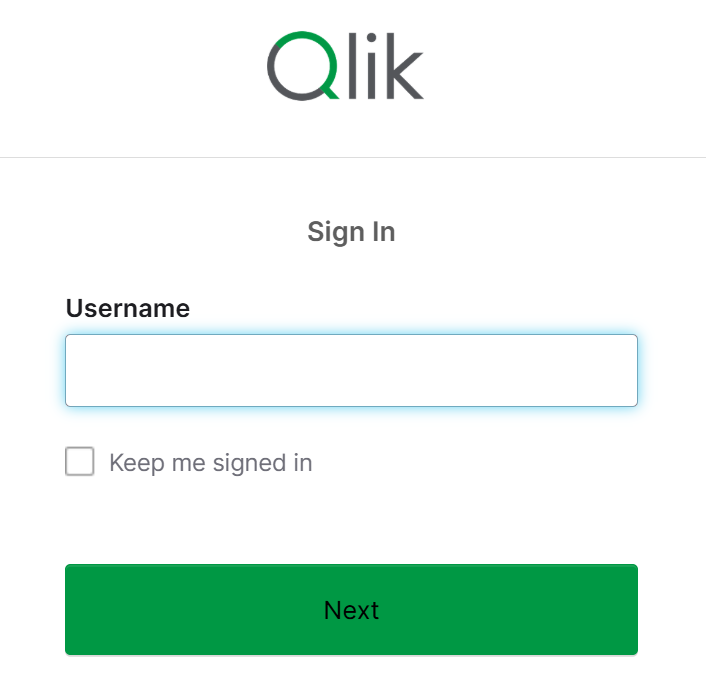
Qlik uses Okta Workforce Identity for their internal employees.
Auth0 - Customer-Facing Login
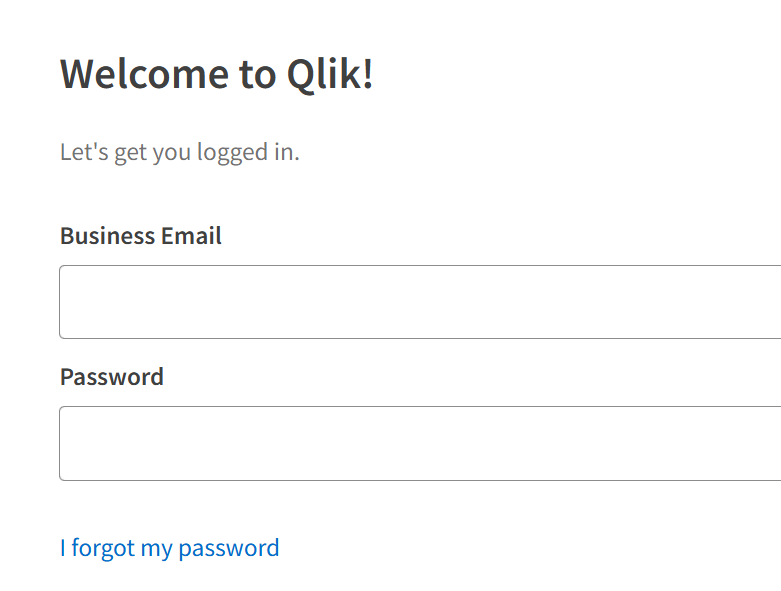
Qlik's customer-facing product login uses Auth0, with SSO federation available for enterprise customers who want to bring their own identity provider -- Okta being one of them. Qlik Sense has a native, documented Okta integration for exactly that purpose, so customers running Okta can use it to log into Qlik directly.
Okta Advanced Server Access
Qlik also uses Okta Advanced Server Access for infrastructure access. A data platform handling enterprise customers' most sensitive data pipelines needs rigorous controls over who can reach backend systems - ASA extends Okta identity all the way down to the server level.
Cross-Channel Marketing Platform - San Francisco, CA - Founded 2013
Iterable is a marketing platform that helps consumer brands send email, SMS, push notifications, and in-app messages. Customers include Redfin, DoorDash, and Priceline.
Okta Workforce Identity
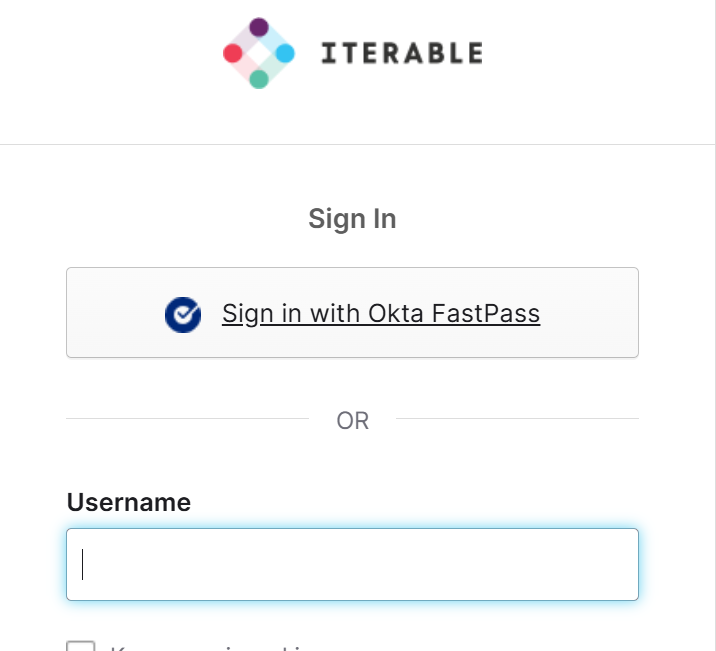
Iterable uses passwordless login -- employees verify their identity via their phone rather than typing a password. Okta also sits inside their SOC2 and ISO 27001 compliance audits, where access reviews and controls are tracked directly in Okta.
Auth0 - Customer-Facing Login
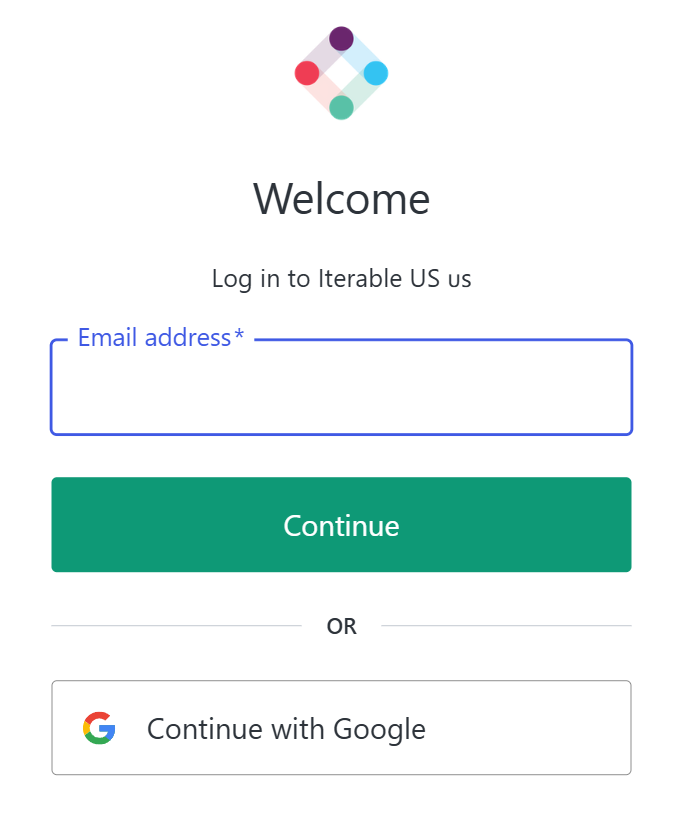
Iterable's product login uses Auth0, with Google as a social login option alongside email. Enterprise customers can federate via SSO through their own identity provider.
Okta Advanced Server Access
Iterable also uses Okta Advanced Server Access to secure infrastructure access. A marketing platform ingesting behavioral data for millions of end users at scale has strict data security obligations to its brand customers - ASA ensures that access to those backend systems is tied to verified Okta identities.
Global Media & Information Services - New York, NY - Founded 1980
News Corp owns The Wall Street Journal, The Times, The Sun, HarperCollins, Sky News Australia, Foxtel, and a portfolio of news and publishing brands across the US, UK, Australia, and Ireland.
Okta Workforce Identity
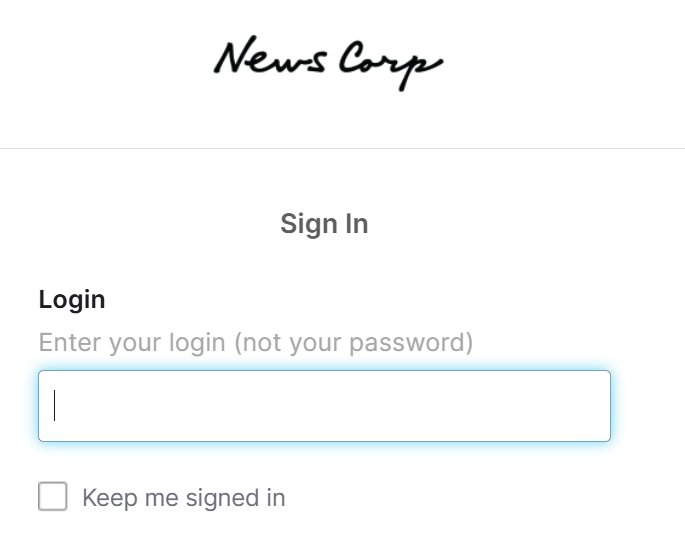
Over 20 News Corp brands use the same Okta instance -- from HarperCollins and The Wall Street Journal to The Sun, Sky News Australia, and Foxtel, spanning three continents. Okta acts as the SSO layer across their entire collaboration stack -- Google Workspace, Microsoft 365, Zoom, Slack, and Dropbox all authenticate through it. Onboarding and offboarding are automated through Okta Workflows, and access records feed into SOX compliance audits.
Security Operations & Identity Governance
Okta is also embedded in their security operations -- it's part of the toolset used for threat detection and incident response across the group, not just employee login. Across the portfolio, Okta also runs alongside SailPoint for identity governance, handling the full access lifecycle: who gets access, to what, and when it gets taken away.
Medical Devices & Digital Health - San Diego, CA - Founded 1989
ResMed makes CPAP machines, ventilators, and digital health software for respiratory care. Their portfolio also includes Brightree (home health billing software), MatrixCare (long-term care EHR), and MediFox DAN (German care management software), among others.
Okta Workforce Identity
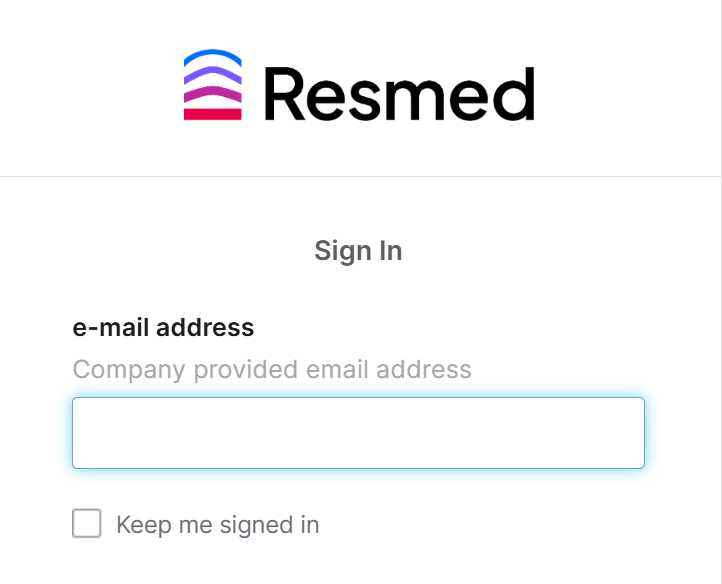
Over 20 domains across ResMed's global portfolio use the same Okta instance -- resmed.com and regional variants across Europe and Australia, plus subsidiaries Brightree, MatrixCare, MediFox DAN, Eden Sleep, and CPAP Australia. Okta runs alongside SailPoint for identity governance, with compliance obligations spanning SOX, HIPAA, and ISO 27001.
Customer Identity (CIAM)
ResMed also uses Okta as the identity layer for their patient-facing digital products -- the apps and platforms used by patients, providers, and care partners to manage respiratory conditions and access clinical data. That puts Okta in the authentication path for millions of connected device users, not just internal employees. Their Propeller Health subsidiary, which makes digital therapeutics for asthma and COPD, also uses Okta for patient app authentication within HIPAA and HITRUST-regulated environments.

 Adsquare
 OPPENLÄNDER Rechtsanwälte
 Voloridge Investment Management, LLC
 Family Dollar
 GovEagle
 DePuy Synthes
 Exa Labs Global, Inc.
 Allan Industries, Inc.
 Skild AI
 Next Securities
 Luma
Luma
 United Gaming, LLC.
 Decart
 UK Fusion Energy
 Tractorbeam
 Skeelo
 Quentic (an AMCS company)
 NestAI
 Numeral
 GridCARE
 Volaris Group
 WPP
WPP
 Confluent Health
 Anywhere Real Estate
 Paramount
 BetterCloud
 HashiCorp
 Tillys
 Twilio
 Marsh McLennan
 Qlik
Qlik
 Iterable
 News Corp
 ResMed