


ChatGPT Ads is barely six months old, but adoption is already accelerating quickly. OpenAI recently announced that ChatGPT Ads has become a $1 billion business.
But what type of companies are actually adopting ChatGPT Ads this early?
OpenAI does not publish a list of its advertisers (duh). But luckily, most advertisers leave a technical footprint behind. To measure whether their ads are working, they usually install a small piece of tracking code on their website that helps attribute sign-ups or purchases back to the ads that drove them.
For ChatGPT Ads, that footprint is OpenAI’s bzrcdn.openai.com javascript file. So I took the websites of the 2 million companies with the most employees, based on their LinkedIn profiles, and scanned them for that script. For those interested, the list of all ChatGPT Ads customers detected is here.
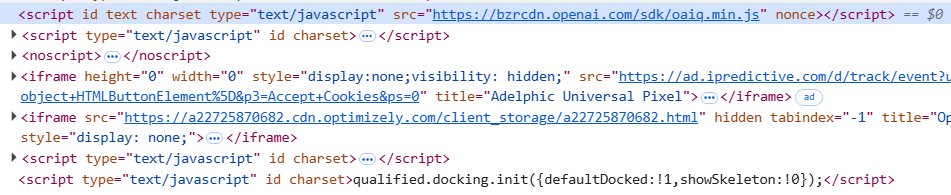
Because this code is specifically used for ChatGPT Ads measurement, finding it on a website is a strong signal that the company has set up ChatGPT Ads attribution. It’s not perfect mind you, but it gives us a high-confidence way to identify a large sample of early adopters.
Using this approach, I identified roughly 15,000 companies using ChatGPT Ads and compared them with the broader digital advertiser universe. I looked at company size, industry, funding stage, geography and the other ad networks they use.
Here is what I learned:
- ChatGPT Ads adoption is accelerating rapidly across the web
- Software and tech companies are 5.1x overrepresented among early adopters
- Adoption skews toward growth-stage companies, not just tiny startups
- U.S. companies are nearly 2x overrepresented among ChatGPT Ads adopters
- Nearly 1 in 10 Reddit advertisers in our dataset already use ChatGPT Ads
- There is a high correlation between investing in AEO/GEO (Answer Engine Optimization) and advertising on ChatGPT
1. ChatGPT Ads adoption is accelerating rapidly across the web
First off, adoption has been accelerating sharply since the start of September. For much of the period after launch, my code detected roughly 50 to 70 new ChatGPT Ads advertisers per day. In early September, that began to ramp quickly, eventually reaching more than double that pace.
Across the top 2 million websites, the ChatGPT Ads pixel is now appearing on more new sites each day than Meta, LinkedIn, Reddit, Snapchat and X combined.
And over 15K advertisers in the first 6 months. September alone accounts for 85% of all advertisers detected.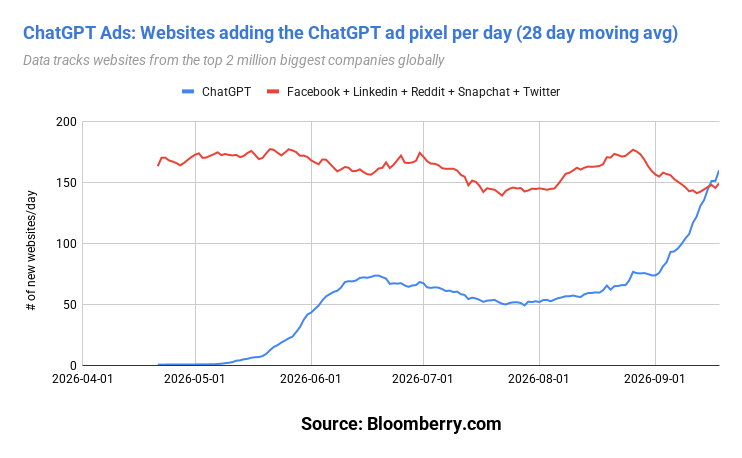
I don’t have a definitive reason as to what’s causing the acceleration, but a few theories: The timing lines up closely with OpenAI making self-service Ads Manager available across Europe, India, and the Middle East at the end of August, expanding the number of companies that could start buying ChatGPT Ads without going through a salesperson.
OpenAI had also been slowly expanding ChatGPT Ads into additional countries throughout the summer. By the end of August, the company said the product was available in more than 40 countries.
Another potential contributor is their Amazon partnership. On September 10, Amazon Ads announced an integration that lets select U.S. advertisers extend their Amazon campaigns into ChatGPT. A week later, OpenAI also announced integrations with Shopify and HubSpot, making ChatGPT Ads easier to access through tools marketers already use.
And of course, it might be that it simply took a few months for companies to decide how and what they wanted to advertise on ChatGPT.
2. Software and tech companies are 5.2x overrepresented among early adopters
Next, I wanted to understand which industries are actually adopting ChatGPT Ads disproportionately.
Simply counting which industries have the most advertisers isn’t very useful. Software is already one of the largest categories in my dataset, so naturally a lot of software companies would show up.
What I really wanted to know was: which industries are showing up among ChatGPT Ads advertisers much more often than you’d normally expect?
For the technical folks, I initially used Elasticsearch’s significant_terms aggregation to find categories that were unusually common among ChatGPT Ads adopters. I then calculated the actual over-index for every major industry with at least 50,000 companies in the dataset.
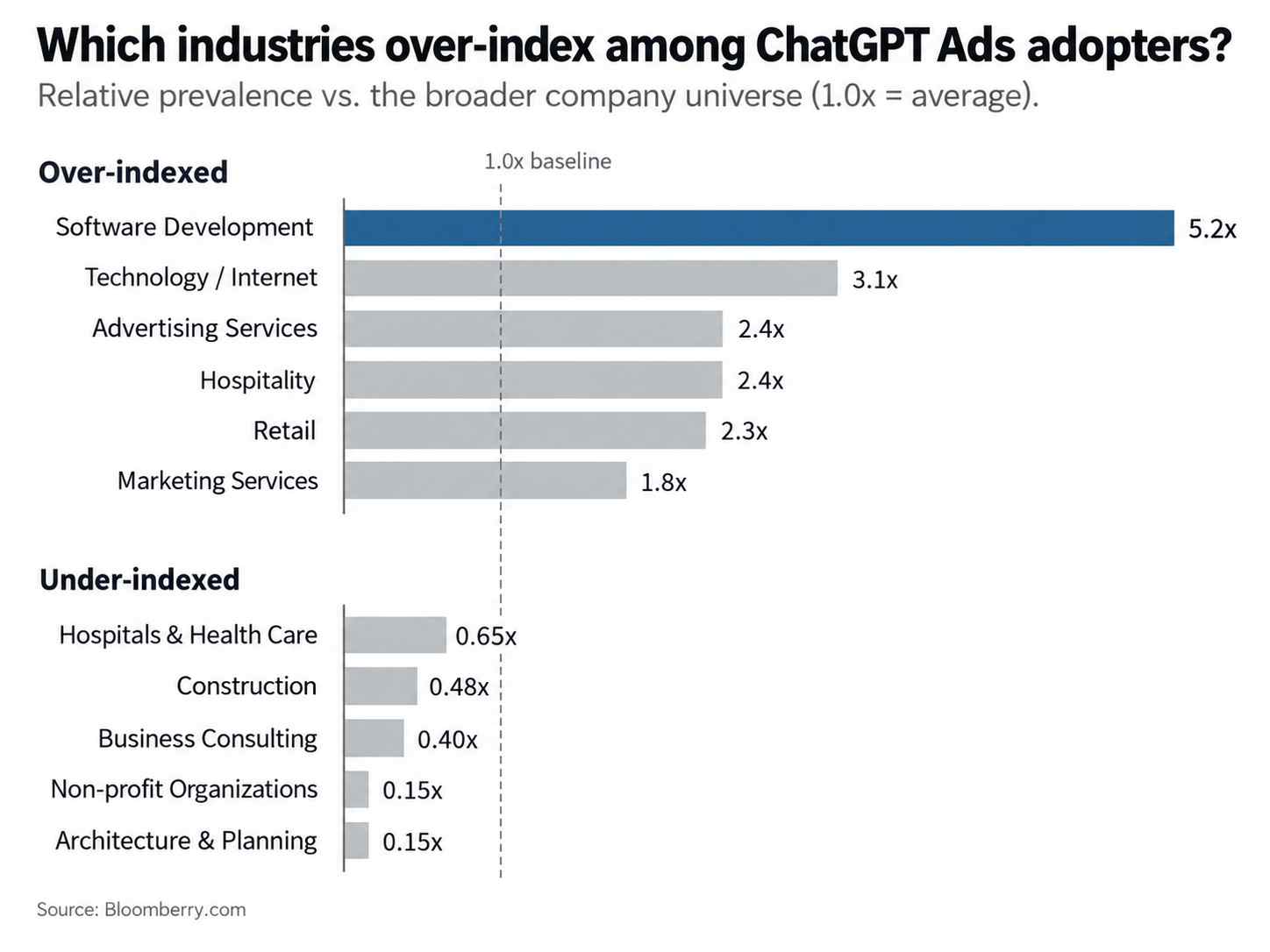
The biggest standout was software.
Software/SaaS companies make up 17.0% of ChatGPT Ads adopters, versus just 3.3% of the broader company universe. That’s a 5.2x over-index. Companies here include Twilio, Hubspot, and Gusto.
Other strongly represented industries: Information and internet companies are 3.1x overrepresented, advertising services companies are 2.4x overrepresented, hospitality is 2.4x (Hilton) and retail is 2.3x (Uber Eats, Chewy).
So it’s not just a tech industry adoption story. Retail and hospitality companies are already appearing at more than twice the rate you’d expect, suggesting ChatGPT Ads is also finding its way into more traditional performance-marketing budgets.
The laggards are in industries you would expect to lag. Construction companies appear at less than half their expected rate, hospitals and healthcare companies at about two-thirds, while nonprofits and architecture firms are barely showing up at all. These are much more conservative industries.
3. Adoption skews toward growth-stage companies, not just tiny startups
Without looking at any data, I half expected the earliest ChatGPT Ads adopters to be mostly very small startups that move fast. But the data doesn’t really support that.
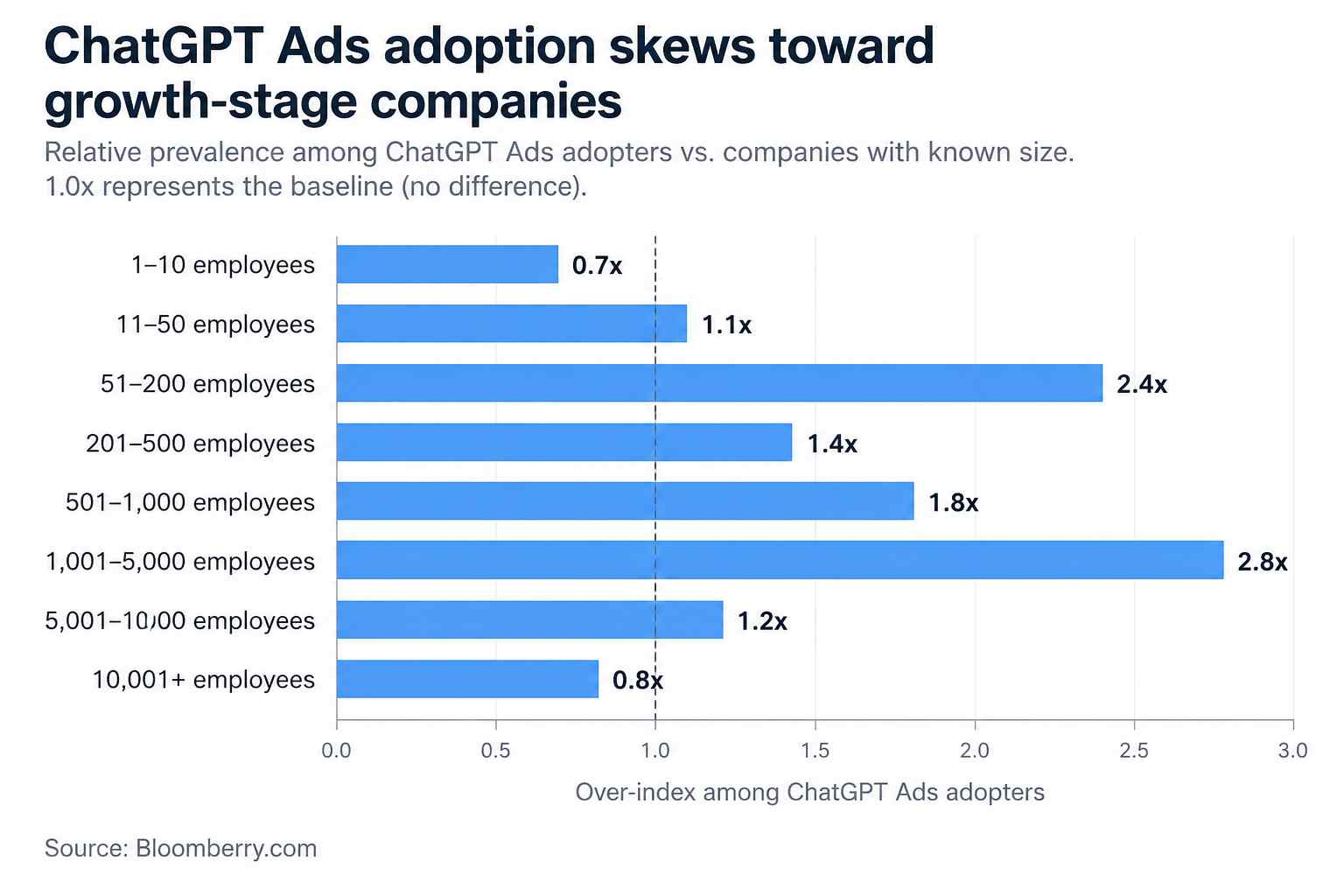
Companies with 11 to 50 employees are only about 1.1x overrepresented among ChatGPT Ads adopters, meaning they show up roughly as often as you’d expect.
The strongest skew is actually further up the company-size curve. Companies with 51 to 200 employees are 2.4x overrepresented, while companies with 1,001 to 5,000 employees are 2.8x overrepresented.
Even the middle looks elevated: companies with 201 to 500 employees over-index by 1.4x, and those with 501 to 1,000 employees by 1.8x.
The funding data tells the same story, from a different perspective.
Among companies where funding stage is known, Series B companies are 2.5x overrepresented and Series C companies are 3.1x overrepresented among ChatGPT Ads adopters. Series A companies also over-index, but by a more modest 1.7x.
So the early adopter profile isn’t simply “tiny AI startup testing a new ad channel.” ChatGPT Ads appears to be attracting companies that are already at the stage where they have meaningful marketing budgets, established growth teams and enough scale to experiment with another customer-acquisition channel.
Why does adoption peak among growth-stage companies rather than the smallest startups? I don’t think it has anything to do with budget. While OpenAI insisted on an minimum budget in the early days of ChatGPT Ads, there’s self-serve options now. Campaigns can start with a daily budget as low as $25, so the financial barrier to testing the platform is fairly low.
My guess is that this is more about organizational maturity. A 50 to 5,000 person company is much more likely to already have a dedicated performance marketing team, with attribution tracking in place, and enough budget for creatives and experimentation.
4. U.S. companies are nearly 2x overrepresented among ChatGPT Ads adopters
Next, I wanted to know whether ChatGPT Ads adoption was geographically concentrated in a few countries, or whether it was already spreading fairly evenly internationally.
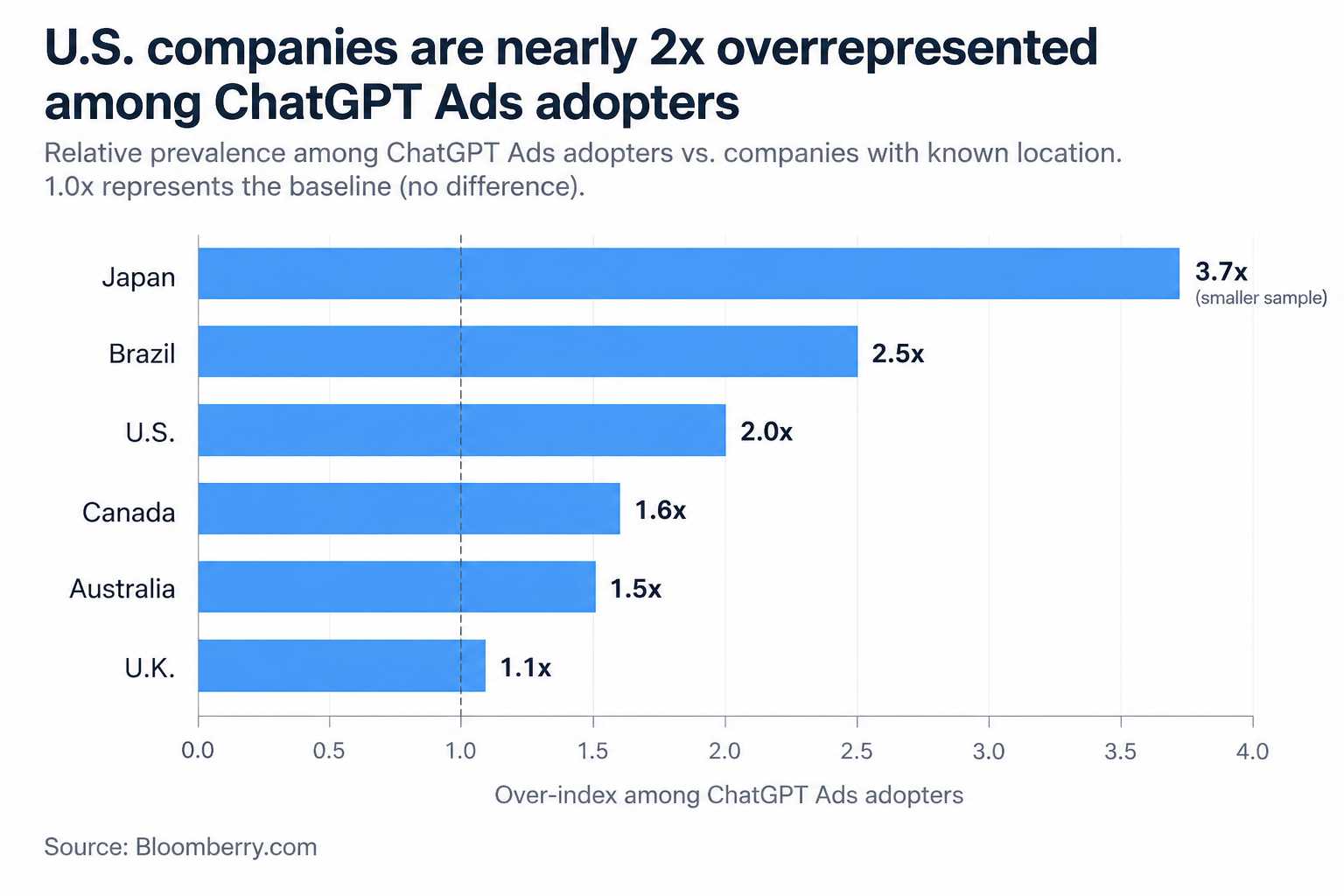
Based on the data, the U.S. is by far the biggest market in absolute terms. About 49% of ChatGPT Ads adopters with a known country are U.S.-based.
But the more interesting number is the baseline. Only about 25% of companies with known location data in the broader dataset are U.S.-based. So U.S. companies are showing up among ChatGPT Ads adopters at almost 2x the rate you’d expect.
In other words, this isn’t simply because my dataset contains a lot of American companies. The adoption rate itself is meaningfully skewed toward the U.S.
A few smaller markets actually over-index even more. Japan comes in at roughly 3.7x and Brazil at 2.5x, although both are much smaller in absolute terms. Canada over-indexes by about 1.6x and Australia by 1.5x, while the U.K. is much closer to average at 1.1x.
My guess is that some of this reflects how ChatGPT Ads rolled out. The U.S. had earlier access, a large existing base of ChatGPT users, and one of the world’s most mature digital advertising markets.
But Brazil is probably the more surprising result. With more than 500 ChatGPT Ads adopters in the dataset and a 2.5x over-index, it is large enough that this doesn’t look like random noise. It suggests ChatGPT Ads may be finding unusually strong early traction there as well.
So far, ChatGPT Ads looks global, but not evenly global. Early adoption is disproportionately concentrated in a handful of markets, with the U.S. accounting for roughly half of the identifiable advertiser base.
5. Reddit advertisers look unusually exposed to ChatGPT Ads
This is probably the finding I found most interesting from an investor perspective.
If ChatGPT Ads grows into a meaningful advertising channel, some of that budget will presumably come from money advertisers would otherwise have spent elsewhere. So I wanted to know which existing ad networks have the most advertiser overlap with ChatGPT.
I started with a simple question: for every major ad network, what percentage of its advertisers have already adopted ChatGPT Ads?
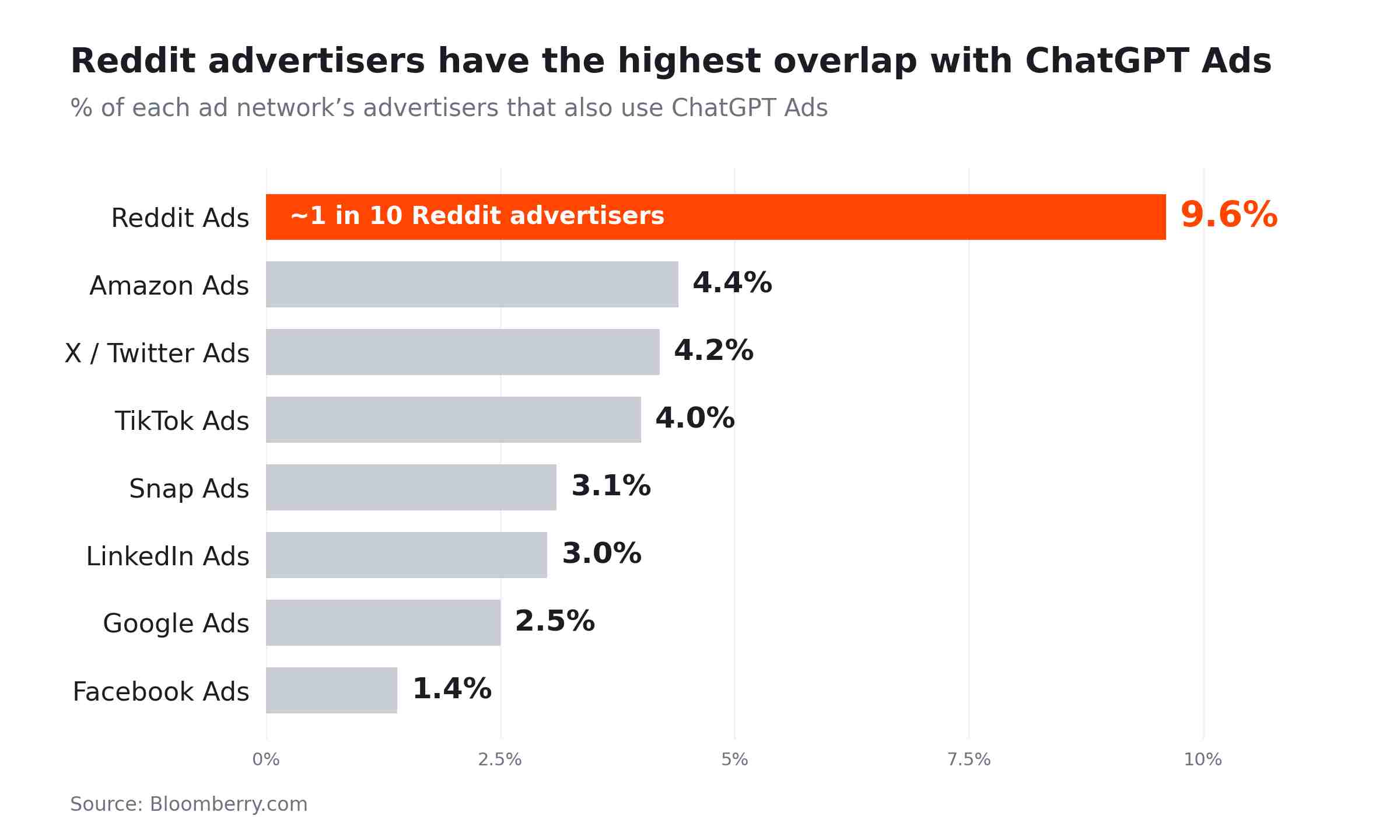
Reddit stood out immediately. About 9.6% of Reddit advertisers in my dataset also use ChatGPT Ads. That’s nearly 1 in 10.
For comparison, the figure is 4.4% for Amazon Ads, 4.2% for X, 4.0% for TikTok, 3.1% for Snap, 3.0% for LinkedIn, 2.5% for Google and just 1.4% for Facebook.
But there is an obvious problem with looking at raw percentages alone: Reddit has a smaller advertiser base than Meta or Google. So I also asked whether Reddit advertisers show up among ChatGPT Ads adopters more often than you’d expect after accounting for the size of each platform’s advertiser base.
The answer was even more striking.
ChatGPT Ads adopters are 7.3x more likely to also use Reddit Ads than other digital advertisers in the dataset. That compares with 3.2x for Amazon, 3.0x for X, 2.9x for TikTok, 2.2x for Snap, 2.1x for LinkedIn, 1.8x for Google and roughly 1.0x for Facebook.
So Reddit doesn’t just have a relatively high percentage of advertisers already using ChatGPT Ads. The overlap is unusually concentrated even after adjusting for how common Reddit Ads is in the broader advertising market.
If digital advertising budgets are roughly zero-sum, that makes Reddit one of the more interesting public companies to watch as ChatGPT Ads scales. The same advertisers appear unusually willing to use both platforms, which means they may eventually be competing for the same incremental marketing dollars.
That does not mean the data shows advertisers are already cutting Reddit spend to fund ChatGPT campaigns. Pixel overlap can’t tell us where dollars are moving. But it does show that ChatGPT Ads is penetrating Reddit’s advertiser base much more deeply than it is penetrating the advertiser bases of most other major platforms.
6. Companies investing in their ChatGPT presence are 75x more likely to also use ChatGPT Ads
I also wanted to know whether ChatGPT Ads adoption was happening in isolation, or whether the same companies were already investing in ChatGPT as a broader acquisition channel.
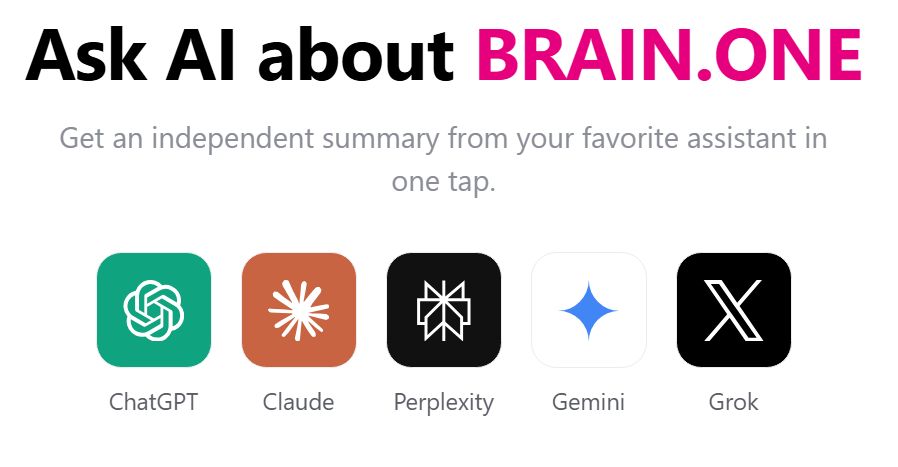
One signal I looked at was the use of ChatGPT Prompt Links, or “Ask ChatGPT” links. For those that aren’t familiar, these links send visitors directly into ChatGPT with a pre-filled prompt about a company, product or topic. A screenshot of an example is shown below:
Among the 1,892 companies in my dataset using ChatGPT Prompt Links, 186 also use ChatGPT Ads. That’s 9.8%.
Among companies that don’t use ChatGPT Prompt Links, just 0.13% use ChatGPT Ads.
In other words, companies using ChatGPT Prompt Links are about 75x more likely to also be ChatGPT Ads adopters.
That’s a remarkably strong correlation. It suggests that companies experimenting with how they appear and get discovered inside ChatGPT are also far more likely to invest in paid distribution there.
It doesn’t prove that investing in GEO or “Ask ChatGPT” links causes companies to buy ChatGPT Ads. But it does suggest that a distinct group of companies is starting to treat ChatGPT as a full acquisition channel, combining organic visibility, referral traffic and paid advertising rather than thinking about each one separately.
Conclusion
ChatGPT Ads is still early, but a few things are clear form the data: adoption is accelerating (especially recently), growth-stage tech companies are leading the way, and the overlap with Reddit’s advertiser base is unusually high and worrisome if you’re a Reddit exec/investor.
If that momentum continues, ChatGPT could start reshaping how advertisers allocate budget across the rest of the digital ad market. And who knows, it might influence their rivals like Anthropic into reconsidering never putting ads in their platform 🙂