We detected 2,648 companies using Redo, 657 companies that churned, and 166 customers with upcoming renewal in the next 3 months. The most common industry is Retail (51%) and the most common company size is 2-10 employees (63%). We find new customers by discovering URLs with known URL patterns through web crawling or modifications to subprocessor lists.
Source: Analysis of Linkedin bios of 2,648 companies that use Redo
Company Characteristics
i
Shows how much more likely Redo customers are to have each trait compared to all companies. For example, 2.0x means customers are twice as likely to have that characteristic.
Trait
Likelihood
Industry: Retail Apparel and Fashion
22.3x
Industry: Sporting Goods Manufacturing
20.7x
Industry: Apparel & Fashion
20.7x
Country: US
1.8x
Country: AU
1.3x
I noticed that Redo's customers are predominantly product-focused commerce companies selling physical goods directly to consumers. These aren't software companies or service providers. They're brands manufacturing and retailing tangible products: apparel and fashion accessories, outdoor gear and sporting goods, home goods and lifestyle products, specialty food and beverage, and niche hardware like knives, bike components, and car accessories. Many handle their own manufacturing or work closely with artisans and craftspeople.
These are mostly small to mid-sized companies in growth mode. The employee counts cluster heavily in the 2-50 range, with some reaching 50-200. Very few have disclosed funding, and when they do, it's typically seed or small series rounds under $5 million. They're past the garage startup phase but haven't reached enterprise scale. They have established products, customer bases, and often multiple sales channels (their own site plus retail partners), but they're still lean operations where founders remain actively involved.
🔧 What other technologies do Redo customers also use?
Source: Analysis of tech stacks from 2,648 companies that use Redo
Commonly Paired Technologies
i
Shows how much more likely Redo customers are to use each tool compared to the general population. For example, 287x means customers are 287 times more likely to use that tool.
I noticed that Redo users are overwhelmingly e-commerce companies, specifically direct-to-consumer brands running on Shopify. The combination of tools here paints a clear picture: these are online retailers focused on retention, repeat purchases, and maximizing customer lifetime value through sophisticated marketing automation and post-purchase experiences.
The pairing with Klaviyo and Attentive is particularly telling. These companies are investing heavily in multi-channel customer communication, using email and SMS to drive repeat purchases. When you add Rebuy Engine to the mix, which specializes in post-purchase upsells and smart cart technology, it becomes clear these brands are obsessed with squeezing more revenue from each customer interaction. Triple Whale appearing so frequently reinforces this, as it's an analytics platform specifically built for e-commerce brands to track metrics like customer acquisition cost and lifetime value across multiple channels.
My analysis shows these are marketing-led organizations in growth or scale-up stages. They've moved past basic Shopify setups and are now layering on specialized tools to optimize every stage of the customer journey. The presence of Route.com, which handles shipping insurance and package tracking, suggests they're also thinking carefully about the post-purchase experience and reducing support friction. These aren't enterprise companies with complex sales cycles. They're agile DTC brands that live or die by their ability to acquire customers profitably and bring them back for repeat purchases.
Alternatives and Competitors to Redo
Explore vendors that are alternatives in this category

 Apex Sim Racing
 mindbodygreen.com
 Kosas
Kosas
 Kitsch
 KISA
KISA
 Hikawa Studio, LLC
 Judy Blue
 Javi USA
 Janji
Janji
 Humankind
 Hill House Home
 Hello Clio
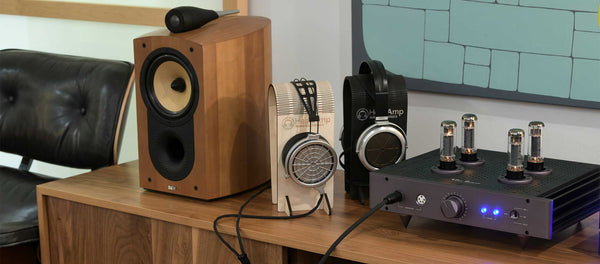 HeadAmp
 GolfRoots
 Gloe Product, Inc.
 fairechild
 down etc
 DefineMe


