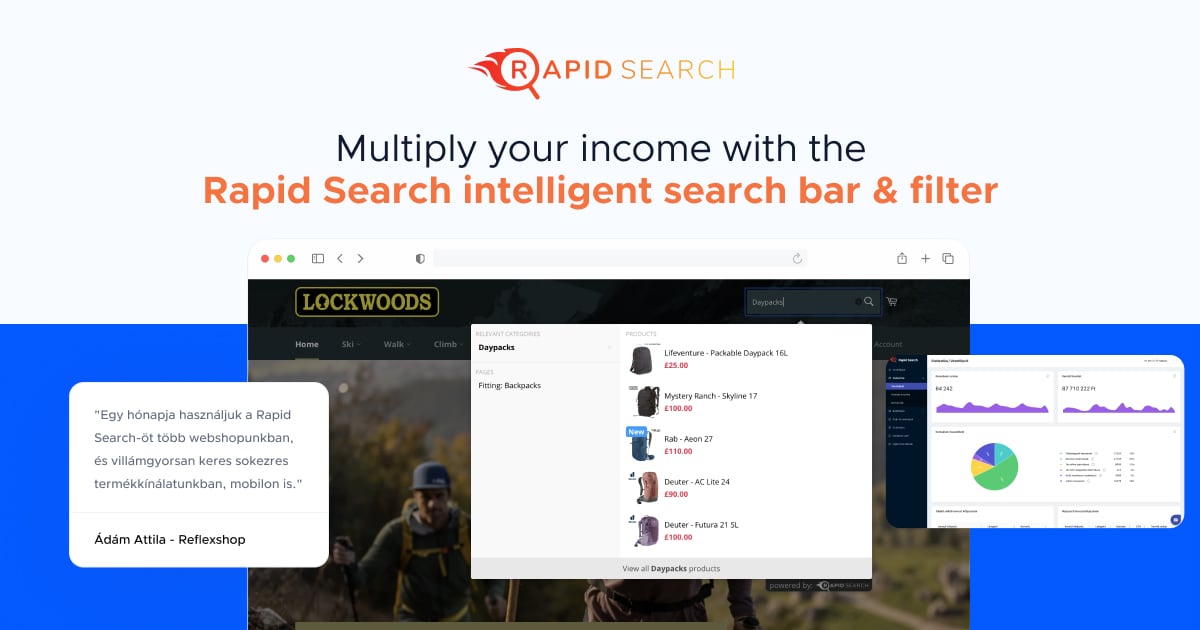
We detected 311 companies using FastSimon, 105 companies that churned, and 9 customers with upcoming renewal in the next 3 months. The most common industry is Retail (56%) and the most common company size is 2-10 employees (50%). We find new customers by detecting JavaScript snippets or configurations on customer websites.
Note: We can't detect companies that use FastSimon with a headless implementation or backend search
Source: Analysis of Linkedin bios of 311 companies that use FastSimon
Company Characteristics
i
Shows how much more likely FastSimon customers are to have each trait compared to all companies. For example, 2.0x means customers are twice as likely to have that characteristic.
Trait
Likelihood
Industry: Retail
13.7x
Country: US
1.8x
I noticed that FastSimon's typical customer operates in retail, with a strong concentration in apparel, fashion, footwear, and lifestyle goods. These companies sell physical products directly to consumers, whether through e-commerce sites, brick-and-mortar stores, or both channels. They range from luxury lingerie brands like Fleur du Mal to athletic footwear chains like Shoe Palace, from home decor retailers to specialty stores selling everything from art supplies to baby products. The common thread is that they maintain product catalogs that customers need to search through and discover items they want to buy.
These companies span a wide range of maturity stages. I see established enterprises like Authentic Brands Group with $500M in funding and Reebok with thousands of employees, mid-market chains like DTLR with 250+ stores, and smaller operations like Baby Riddle with just 2-10 employees. The majority fall into the 11-200 employee range, suggesting growing businesses that have moved beyond startup phase but haven't yet reached massive scale. Many mention multiple retail locations alongside their e-commerce presence.
🔧 What other technologies do FastSimon customers also use?
Source: Analysis of tech stacks from 311 companies that use FastSimon
Commonly Paired Technologies
i
Shows how much more likely FastSimon customers are to use each tool compared to the general population. For example, 287x means customers are 287 times more likely to use that tool.
I noticed that FastSimon users are clearly sophisticated e-commerce companies focused on personalization and customer retention at scale. The presence of tools like Yotpo, Attentive, and Bluecore tells me these are established direct-to-consumer brands that have moved beyond basic conversion optimization into advanced lifecycle marketing and personalized shopping experiences.
The pairing with Bluecore is particularly revealing. This retail marketing platform specializes in turning customer data into triggered campaigns, which suggests FastSimon customers are obsessed with creating individualized shopping journeys. When you add Attentive for SMS marketing and Yotpo for reviews and loyalty programs, a clear picture emerges: these companies are building closed-loop systems where search and discovery feed into personalized messaging, which then drives repeat purchases. The Contentstack correlation reinforces this, as it's a headless CMS that gives brands the flexibility to create custom content experiences alongside their commerce functionality.
My analysis shows these are definitively marketing-led organizations, likely in growth or scale-up phases where they've proven product-market fit and are now optimizing for customer lifetime value. They're not early-stage startups experimenting with basic tools, nor are they enterprise behemoths using legacy systems. The presence of Kameleoon for experimentation and Rakuten for performance marketing indicates they have dedicated teams running sophisticated testing programs and multi-channel acquisition strategies. These companies have the resources to invest in best-of-breed solutions rather than settling for all-in-one platforms.
Alternatives and Competitors to FastSimon
Explore vendors that are alternatives in this category

 Quad Lock® Australia
 Skin Cupid
 Peter Stone Jewelry
 סטיב מאדן
 RFA Decor
 Authentic Brands Group
 Fiorelli.com
 JOHN ELLIOTT
 HOODIES group
 Rubber Tracks of America
 Franks Great Outdoors
 Fleur du Mal
 Ozone.bg
 Buffalo David Bitton
 Peacock Alley
 JLUXLABEL
 Woxer
Woxer
 Grupo Riba Smith