We dug into our own data to find which companies are using the most Salesforce products. It is a good way to see some proof that our data is accurate, as well as discovering real customer stories on how companies are actually using Salesforce.
Athletic Footwear & Apparel - Boston, MA
New Balance is one of the more comprehensive Salesforce adopters in the athletic retail space, using Agentforce Commerce, Salesforce Experience Cloud, Salesforce Service Cloud, and Salesforce CRM.
Agentforce Commerce Cloud
New Balance runs their digital storefront on Agentforce Commerce (formerly known as Salesforce Commerce Cloud). They worked with Deloitte Digital, and relaunched newbalance.com as their first true "digital flagship", and claimed it is 35% faster than its predecessor. One of its more innovative features includes a custom Running Shoe Finder that replicates the personalized fitting experience customers previously only got in-store.
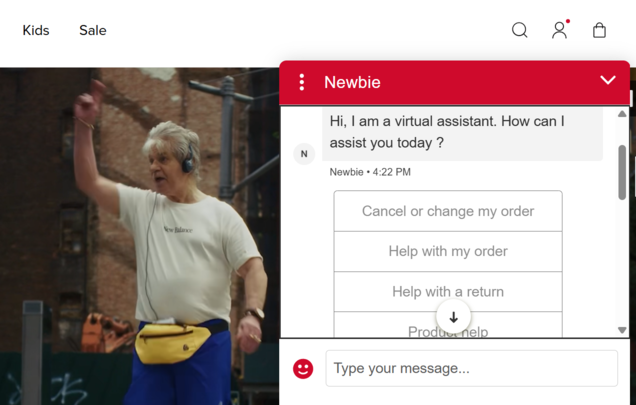
Salesforce Service Cloud + Agentforce Customer Chat
On newbalance.com, New Balance runs a live chat widget powered by Salesforce Service Cloud and Agentforce. Before connecting shoppers to a live agent, the bot collects name, email, and order number, routing conversations intelligently based on business hours and agent availability.
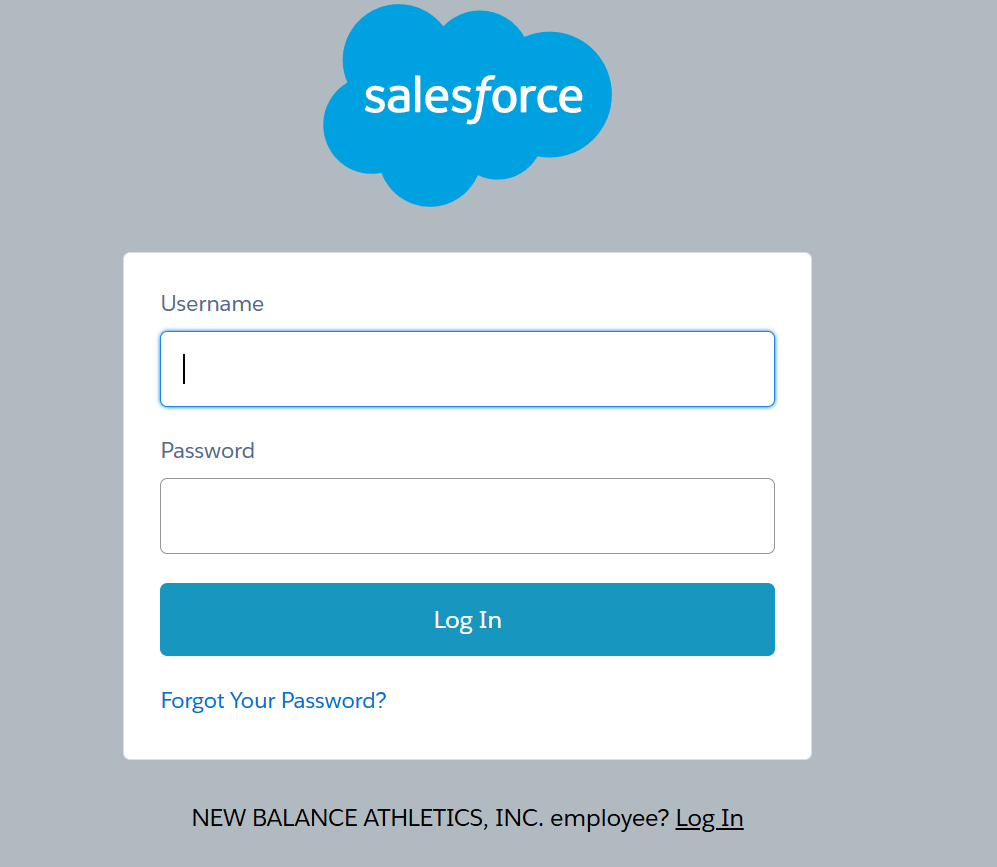
Salesforce Experience Cloud: B2B Dealer Portal
For their wholesale network, New Balance built a dedicated dealer portal on Salesforce Experience Cloud. Retail partners and dealers can log in, submit inquiries, and manage their relationship with New Balance digitally, all connected back to the same Salesforce CRM underneath. You can view their B2B portal built on Salesforce here.
Salesforce CRM: Internal Infrastructure
Underneath it all sits a robust Salesforce CRM, maintained by a dedicated internal development team. LinkedIn profiles of New Balance Salesforce developers reveal custom Apex code, Lightning Web Components, and workflow automation. You can view New Balance's Salesforce instance here.
Consumer Electronics & Appliances - Needham, MA
SharkNinja, the company behind the Shark and Ninja product lines, runs a substantial chunk of their customer-facing operations on Salesforce, spanning their help center, AI chat assistant, commerce storefront, and internal CRM.
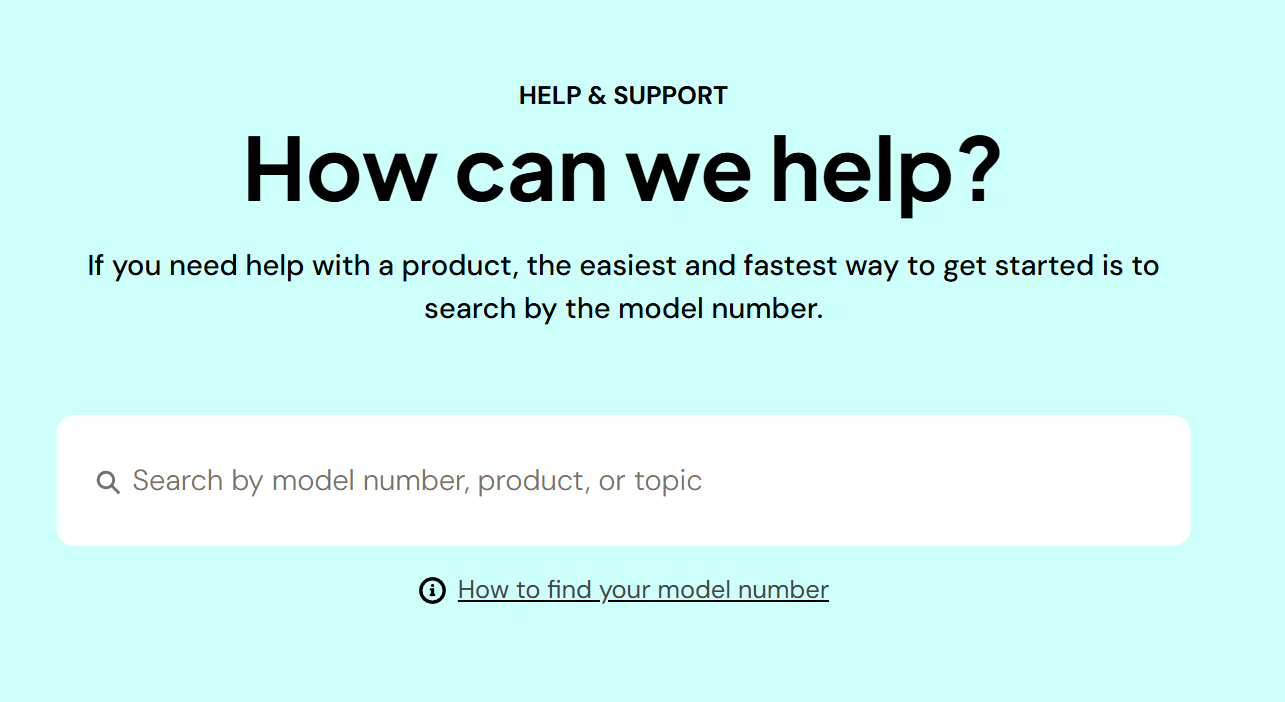
Salesforce Service Cloud: Help and Support Center
SharkNinja runs their customer support portal on Salesforce Service Cloud. Customers can search by model number, product, or topic to find help articles and troubleshooting guides, a self-service experience built on top of Salesforce's knowledge base infrastructure.
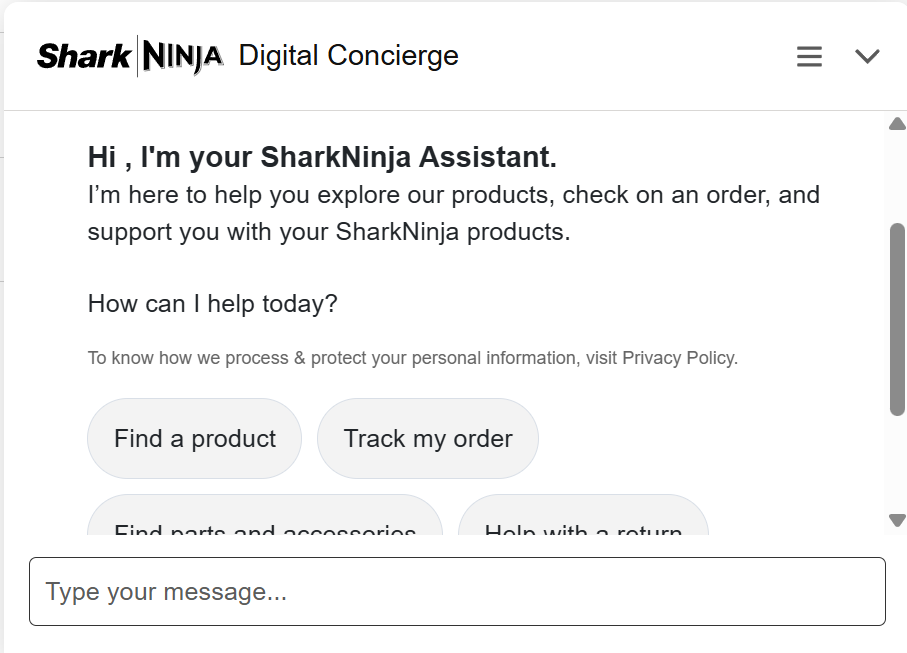
Agentforce: The SharkNinja Digital Concierge
On their site, SharkNinja runs an AI chat assistant called the "Digital Concierge" powered by Agentforce. The bot greets customers by name, offers quick-reply options like "Find a product", "Track my order", "Find parts and accessories", and "Help with a return", and handles a wide range of post-purchase support tasks without needing a live agent.
Agentforce Commerce Cloud
SharkNinja runs their direct-to-consumer storefront on Agentforce Commerce (formerly Salesforce Commerce Cloud), powering product discovery, cart, and checkout across both the Shark and Ninja brand storefronts.
Salesforce CRM: Internal Infrastructure
Underneath it all, SharkNinja maintains a Salesforce CRM org that ties together their sales, service, and commerce data. You can view SharkNinja's Salesforce instance here.
Healthcare Technology - Watertown, MA
athenahealth is a cloud-based healthcare technology company serving over 67,000 medical practices across the US. Their Salesforce footprint spans service, chat, marketing personalization, and CRM, making them a strong example of a healthcare SaaS company running deep on the Salesforce platform.
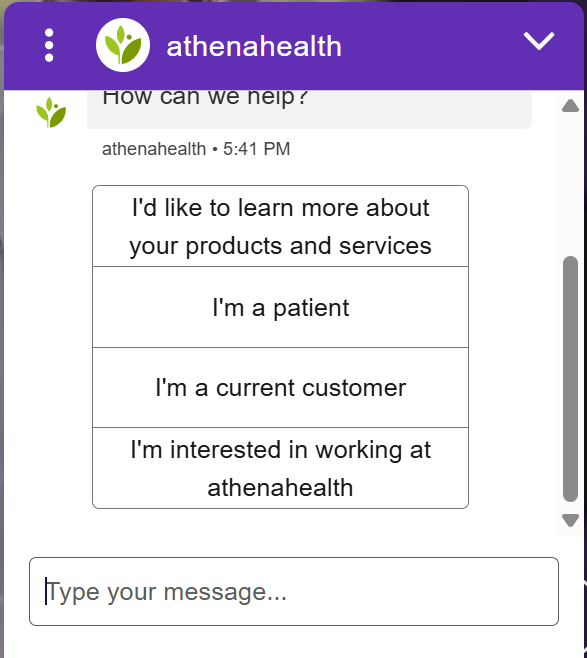
Salesforce Service Cloud + Agentforce Chat
On athenahealth.com, visitors are greeted by an Agentforce-powered chat widget running on Salesforce Service Cloud. The bot immediately segments visitors by intent, offering options like "I'd like to learn more about your products", "I'm a patient", "I'm a current customer", and "I'm interested in working at athenahealth". Notably, the config shows "showAgentforceTagline: true", confirming this is a live Agentforce deployment.
Marketing Cloud Personalization (formerly Evergage)
athenahealth runs Salesforce Marketing Cloud Personalization on their website. The JavaScript beacon tracks visitor behavior in real time, including pages visited and session timing, to power personalized web experiences for prospects and customers based on what they have already seen and done on the site.
Pardot (Marketing Cloud Account Engagement)
athenahealth uses Salesforce Pardot for B2B marketing automation, handling lead nurturing, email campaigns, lead scoring, and routing qualified prospects to their sales team inside Salesforce CRM.
Salesforce CRM: Internal Infrastructure
Underneath the marketing and service stack sits a Salesforce CRM org tying together sales, marketing, and customer data. You can view athenahealth's Salesforce instance here.
Mobile Attribution and Marketing Analytics - Tel Aviv, Israel
AppsFlyer is one of the leading mobile attribution platforms, and they run several Salesforce products across their partner ecosystem, internal collaboration, and sales operations.
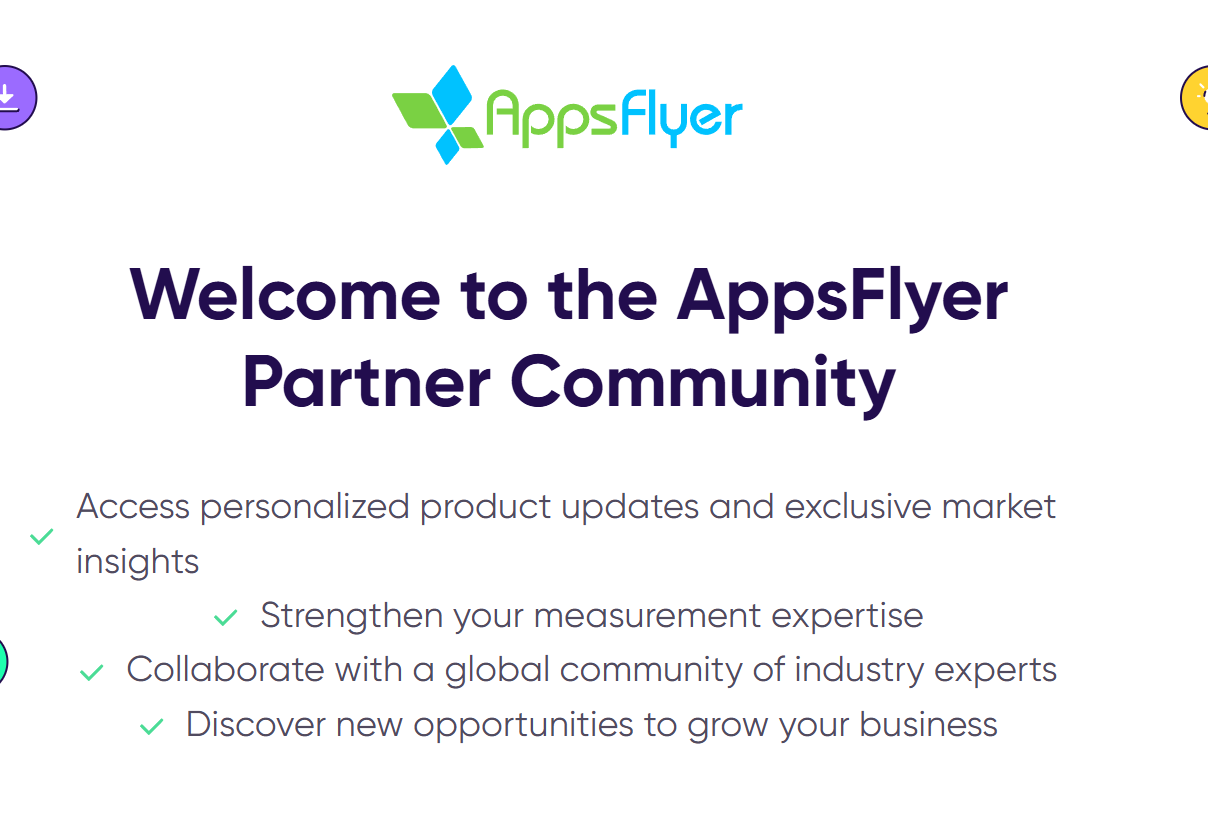
Salesforce Experience Cloud: Partner Community
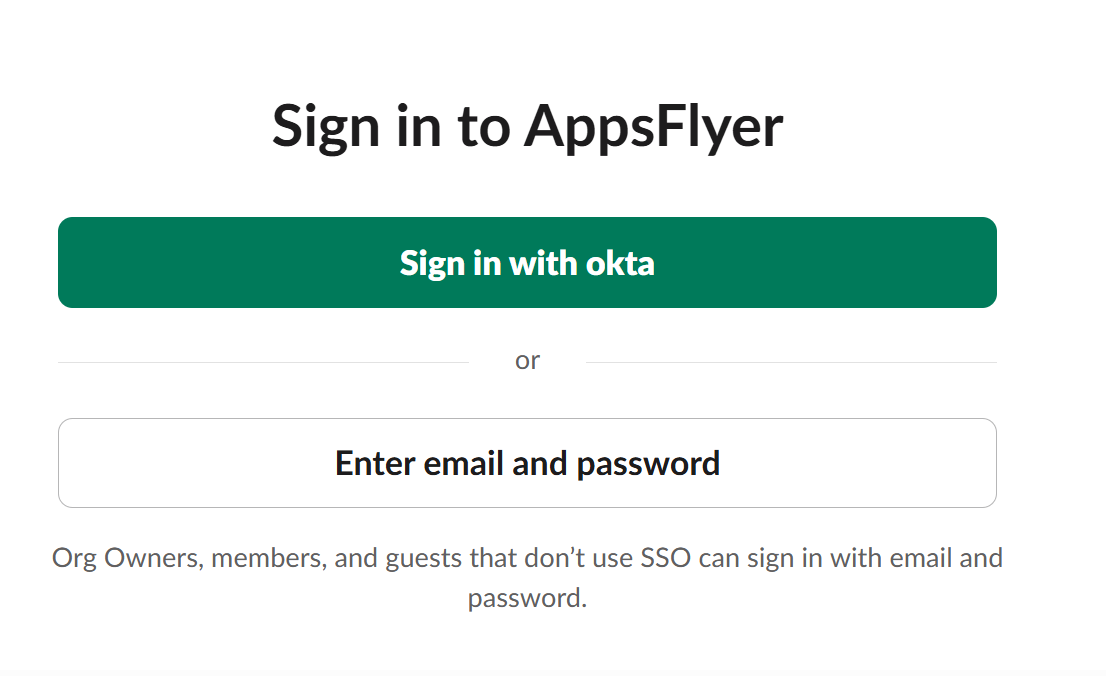
AppsFlyer runs their Partner Community on Salesforce Experience Cloud. Partners log in to access personalized product updates, exclusive market insights, measurement training, and collaboration tools with a global network of industry experts. The portal uses Okta SSO for authentication, a common pattern for enterprise Experience Cloud deployments.
Slack Enterprise Grid
AppsFlyer runs Slack Enterprise Grid for internal collaboration across their 25+ global offices. Enterprise Grid is Salesforce's enterprise-tier Slack offering, designed for large organizations that need centralized administration, compliance controls, and connected workspaces across regions and teams.
Salesforce CRM: Sales Pipeline and Account Management
AppsFlyer's entire revenue team runs on Salesforce CRM. Job postings for their SDR and Account Manager roles explicitly list Salesforce as the core tool for tracking outreach activity, managing pipeline, forecasting, and reporting on account progress. Account Managers are responsible for delivering "accurate pipeline forecasts and tracking account progress" in Salesforce, while SDRs use it alongside Outreach and Gong to manage their prospecting workflows. You can view AppsFlyer's Salesforce instance here.
Cybersecurity - Santa Clara, CA
Palo Alto Networks is one of the largest cybersecurity companies in the world, and their Salesforce footprint reflects the complexity of a global enterprise selling through both direct and partner channels.
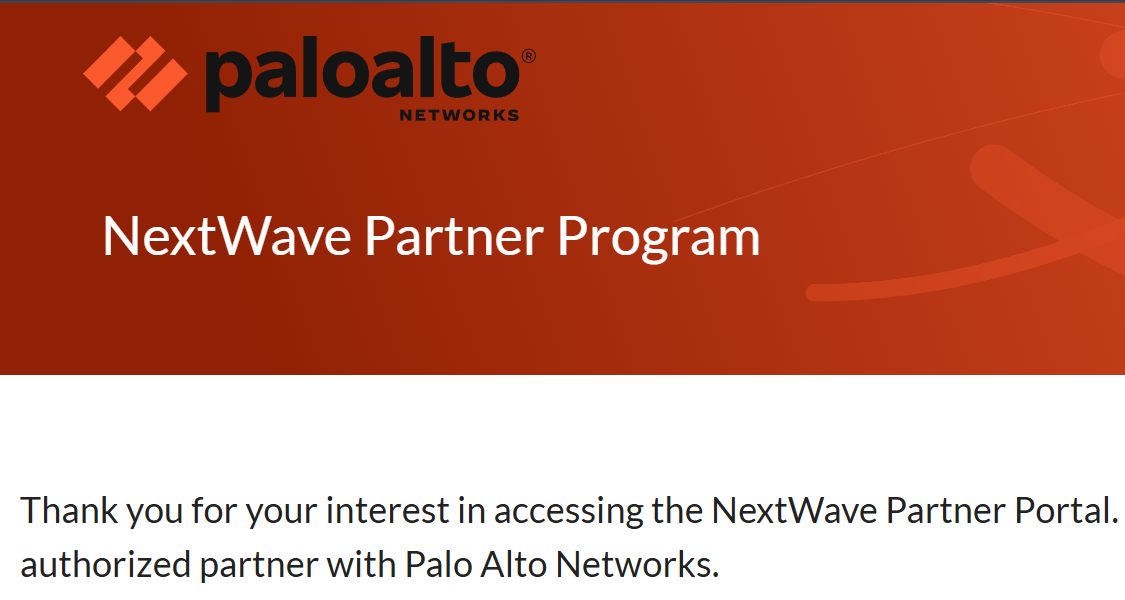
Salesforce Experience Cloud: NextWave Partner Portal
Palo Alto Networks runs their NextWave Partner Program portal on Salesforce Experience Cloud. The portal serves their global network of solution providers and resellers, giving partners access to deal registration, partner locator tools, enablement resources, and program management, all connected back to the same Salesforce CRM underneath. You can also view the NextWave partner program page here.
Slack Enterprise Grid
Palo Alto Networks runs Slack Enterprise Grid for internal collaboration across their global teams. At a company of their scale, Enterprise Grid provides the centralized administration, compliance controls, and cross-workspace connectivity needed to keep thousands of employees aligned across regions and business units.
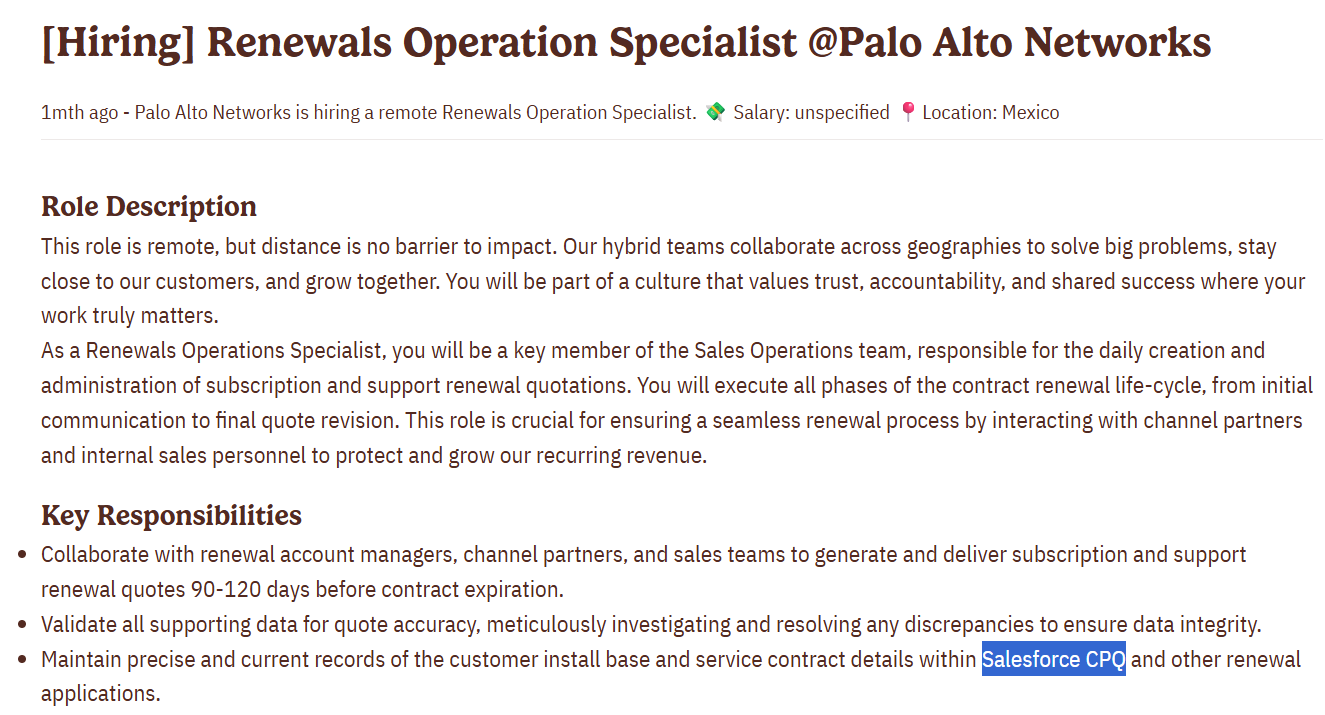
Salesforce CRM + CPQ: Quote-to-Cash Infrastructure
Palo Alto Networks runs a deeply customized Salesforce Sales Cloud and CPQ implementation. A Renewals Operations Specialist job posting explicitly requires candidates to "maintain precise and current records of the customer install base and service contract details within Salesforce CPQ" and "document all quote-related notes and account activities within Salesforce." Their engineering roles go even deeper, with CPQ Developer and Software Engineer positions building out opportunity management, territory management, sales forecasting, and quoting, with custom Apex code and integrations with SAP for order management and billing. Salesforce is the backbone of their entire quote-to-cash process. You can view Palo Alto Networks' Salesforce instance here.
Community Banking - Hagatna, Guam
Bank of Guam is a $2.6 billion-asset community bank serving Guam, the Commonwealth of the Northern Mariana Islands, Micronesia, and California. Despite operating across some of the most geographically remote banking markets in the world, they have built a surprisingly deep Salesforce stack.
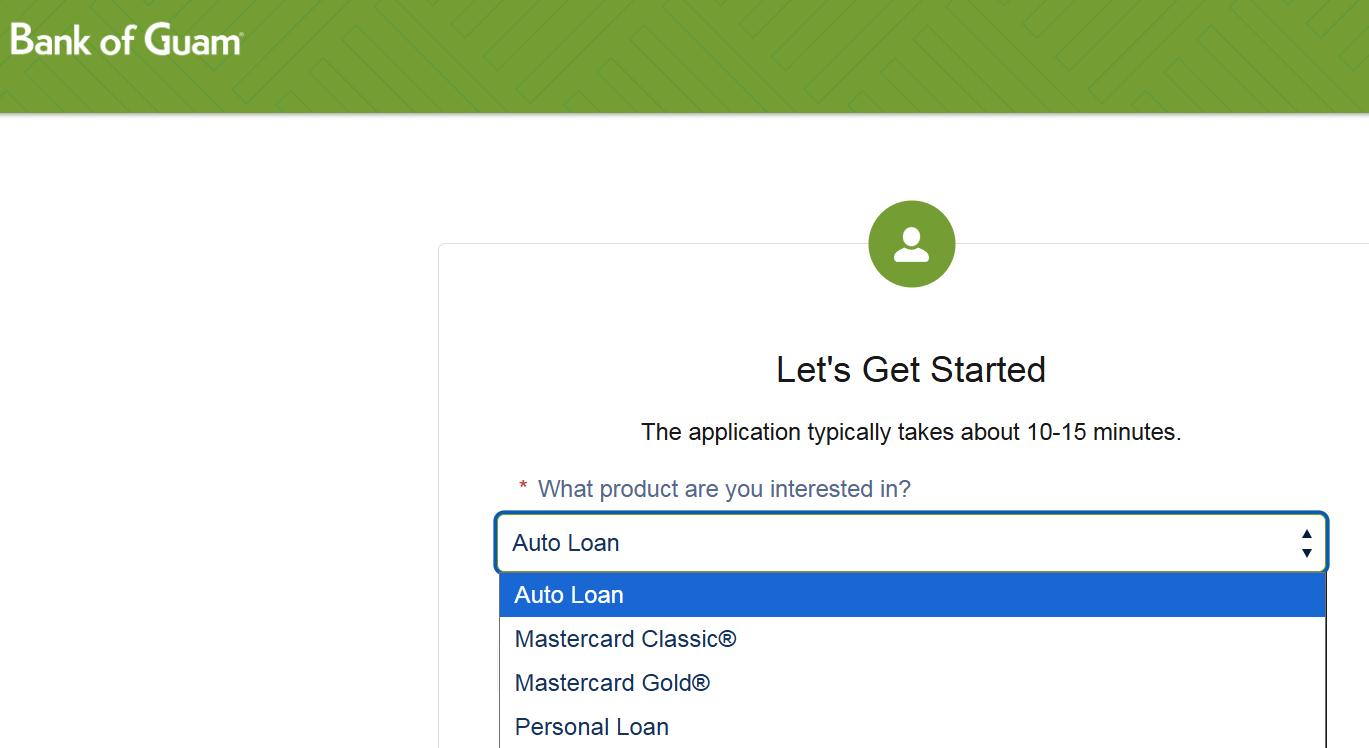
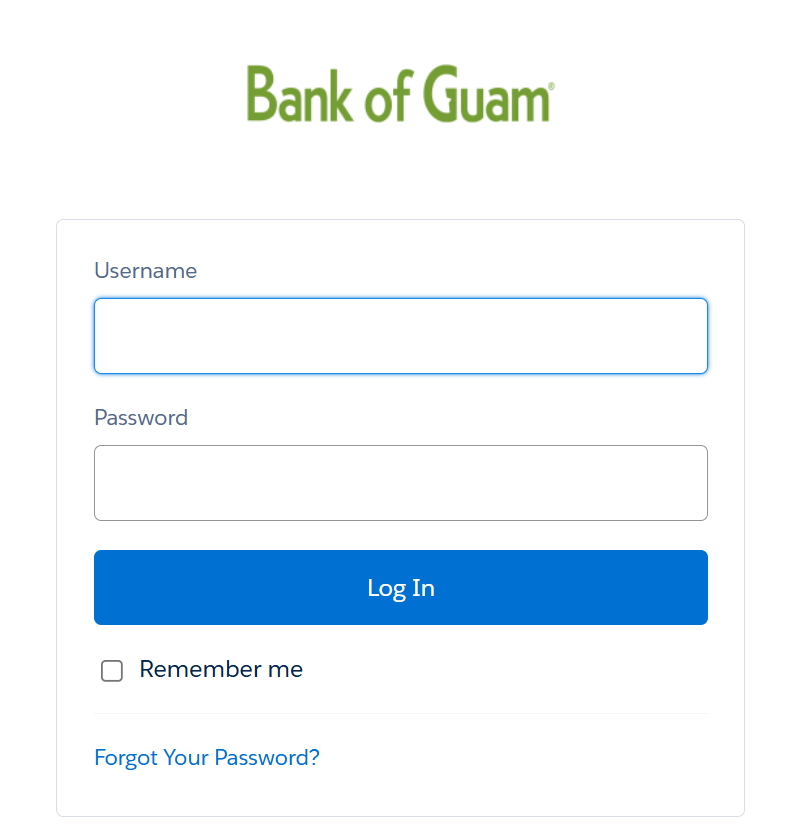
Salesforce Experience Cloud + nCino: Online Loan Applications
Bank of Guam's online loan application portal runs on Salesforce Experience Cloud, powered by nCino. nCino is a cloud banking platform built natively on top of Salesforce, used by over 2,700 financial institutions worldwide. At Bank of Guam, it handles online consumer lending, letting customers select a product, enter their details, and move through the entire loan origination workflow digitally. According to a 2024 American Banker profile, the bank introduced online consumer lending with nCino as part of a broader digital transformation push. The portal also integrates with their Fiserv core banking system via MuleSoft APIs for account onboarding.
Marketing Cloud Personalization (formerly Evergage)
Bank of Guam runs Salesforce Marketing Cloud Personalization on their website. Their Evergage beacon at bofguamus.us-6.evergage.com fires on page views, tracking visitor behavior across their digital banking tools pages. The dataset is named "bog_prod", confirming this is a live production deployment, not a test environment. This powers personalized web experiences for customers based on what digital tools and products they have been browsing.
Salesforce CRM: Customer and Relationship Management
Because nCino is built natively on the Salesforce platform, Bank of Guam's loan data, customer records, and banker workflows all live inside Salesforce CRM. Bankers get a unified view of each customer including loan history, account details, and financial documents, all in one place. You can view Bank of Guam's Salesforce instance here.
Wireless Infrastructure - Boston, MA
American Tower is a Fortune 500 company and one of the largest global real estate investment trusts, owning and operating over 220,000 communications towers worldwide. Their Salesforce footprint spans marketing automation, a customer-facing tenant portal, and a deep MuleSoft integration layer that ties together their entire tower management infrastructure.
Pardot (Marketing Cloud Account Engagement): Lead Nurturing
American Tower uses Salesforce Pardot for B2B marketing automation. Their Pardot subdomain is publicly visible, and a document hosted there references the Salesforce Authenticator app being used for secure account access, confirming Salesforce is deeply embedded in their employee and customer-facing workflows.
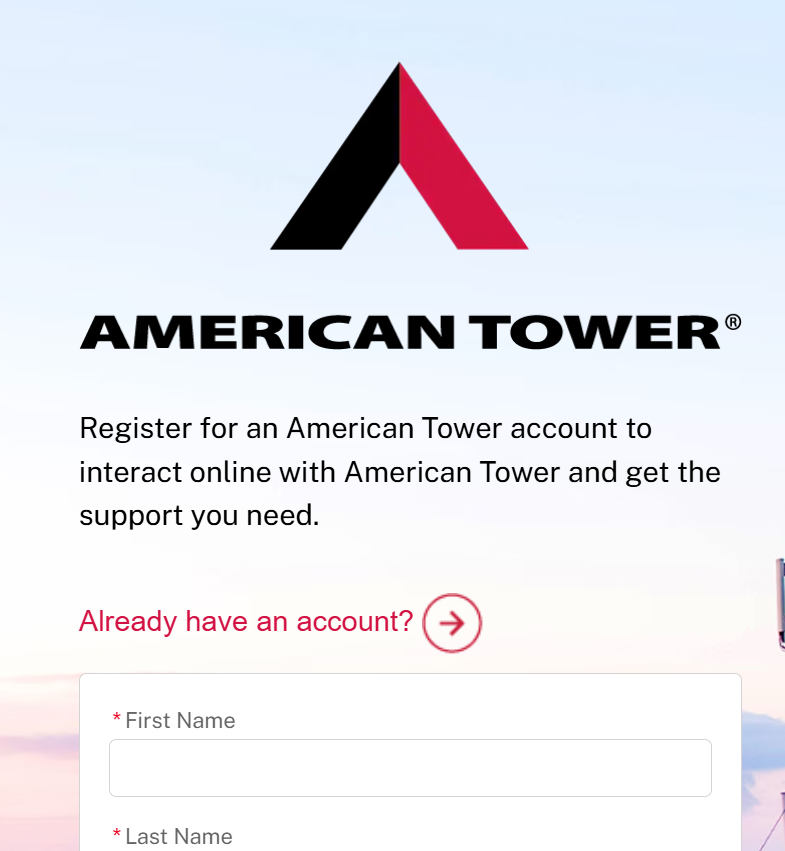
Salesforce Experience Cloud: Tenant and Customer Portal
American Tower runs a customer-facing portal on Salesforce Experience Cloud used by their wireless carrier tenants (AT&T, Verizon, T-Mobile, etc.) and other customers. Based on their published leasing process documentation, the portal is where customers submit tower lease applications, track project milestones, download lease documents and site sketches, review engineering purchase orders, and manage their ongoing tower accounts. The entire application-to-lease workflow is managed through automated emails and document access within this account, making it the operational hub for American Tower's tenant relationships.
MuleSoft: Enterprise Integration Backbone
American Tower runs MuleSoft as the integration layer connecting their entire enterprise application stack. According to a published case study from Accruent, American Tower's Siterra tower management platform is integrated with Oracle, Salesforce, OfficeTrack, and several custom and vendor applications, and "most of the integrations are via MuleSoft." This API layer keeps data flowing in real time across their tower asset management platform, CRM, ERP, and dozens of other systems spanning their 220,000-site global portfolio. The result was a consolidation from 30+ custom applications into a single integrated platform, with significant reductions in cycle times and faster revenue recognition.
Lease-to-Own Retail - Atlanta, GA
Aaron's is a leading lease-to-own retailer of furniture, electronics, and appliances, operating over 1,260 stores across 47 states and Canada. Their Salesforce stack spans commerce, marketing, data, and personalization, and they have one of the most well-documented Salesforce success stories in the retail industry.

Agentforce Commerce Cloud: $220M+ in E-Commerce Revenue
Aaron's runs their e-commerce storefront on Agentforce Commerce (formerly Salesforce Commerce Cloud), hosting approximately 11,000 products with lease pricing, payment options, and total cost of ownership clearly displayed. According to a published Salesforce case study, Commerce Cloud has helped Aaron's grow their online channel to over $220 million in annual lease revenues, now accounting for over 18% of total Aaron's business.
Marketing Cloud + Data Cloud: Tripled Subscriber List, +53% Conversion
Aaron's uses Salesforce Marketing Cloud Engagement for email and SMS campaigns, and Salesforce Data Cloud to unify customer data across in-store sales, e-commerce, and email marketing. The results are significant: their email marketing list has nearly tripled in active subscribers, and email conversion rates have increased by 53%. Aaron's also grew their text message marketing channel from zero to a key direct marketing pillar, all powered by real-time data from Data Cloud.
Marketing Cloud Personalization (formerly Evergage)
Aaron's runs Salesforce Marketing Cloud Personalization on their website, with their Evergage beacon firing at aarons.us-7.evergage.com under the dataset name "aarons_production", confirming this is a live production deployment powering real-time personalized experiences for visitors based on their browsing behavior and customer journey stage.
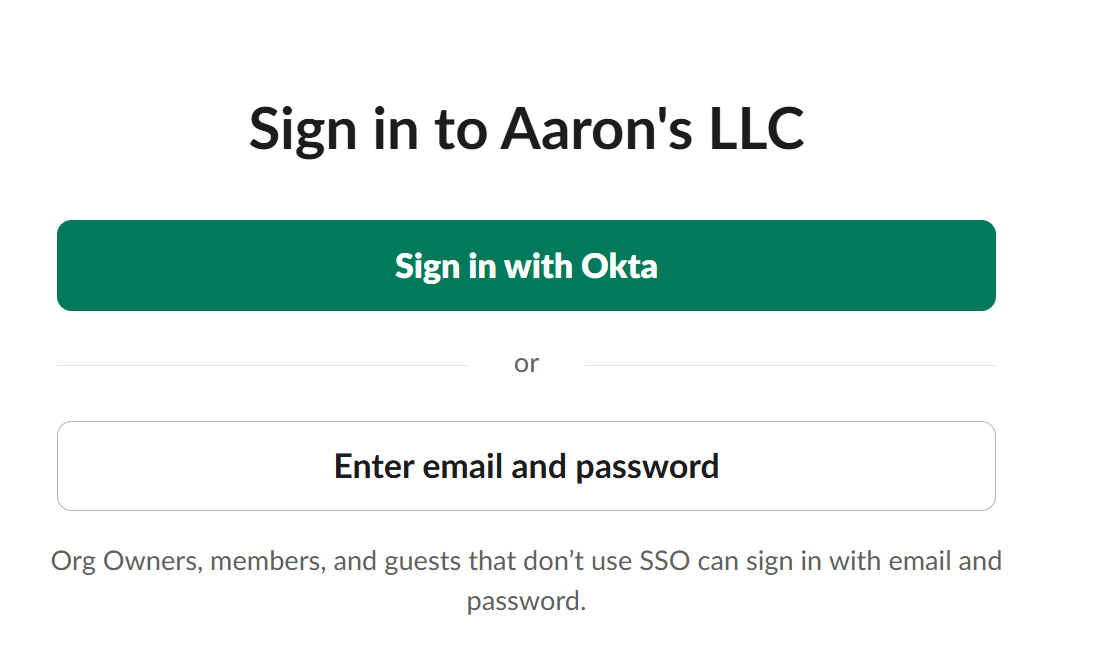
Slack Enterprise Grid
Aaron's runs Slack Enterprise Grid for internal collaboration across their corporate and store operations teams. Enterprise Grid is Salesforce's enterprise-tier Slack offering with centralized administration and compliance controls suited for a company operating at Aaron's scale across 1,260+ locations.
A Note on the TikTok Analytics Script
Aaron's TikTok pixel configuration contains a reference to a Salesforce.com rule, where the pixel is configured to detect Salesforce form containers on the page. This suggests Aaron's uses Salesforce web forms for lead capture alongside their other Salesforce products, further embedding Salesforce into their digital marketing infrastructure.
Public Safety Technology - Scottsdale, AZ
Axon is the maker of TASER devices, body cameras, and digital evidence management software for law enforcement agencies worldwide. Their Salesforce footprint spans marketing automation, a customer self-service portal, and a CRM used by their entire global sales force.
Pardot (Marketing Cloud Account Engagement): B2B Lead Nurturing
Axon uses Salesforce Pardot for B2B marketing automation. Their Pardot tracking beacon fires on axon.com pages under account ID 637291, campaign ID 20525. This powers lead nurturing campaigns targeting law enforcement agencies and government buyers considering Axon's hardware and software ecosystem.
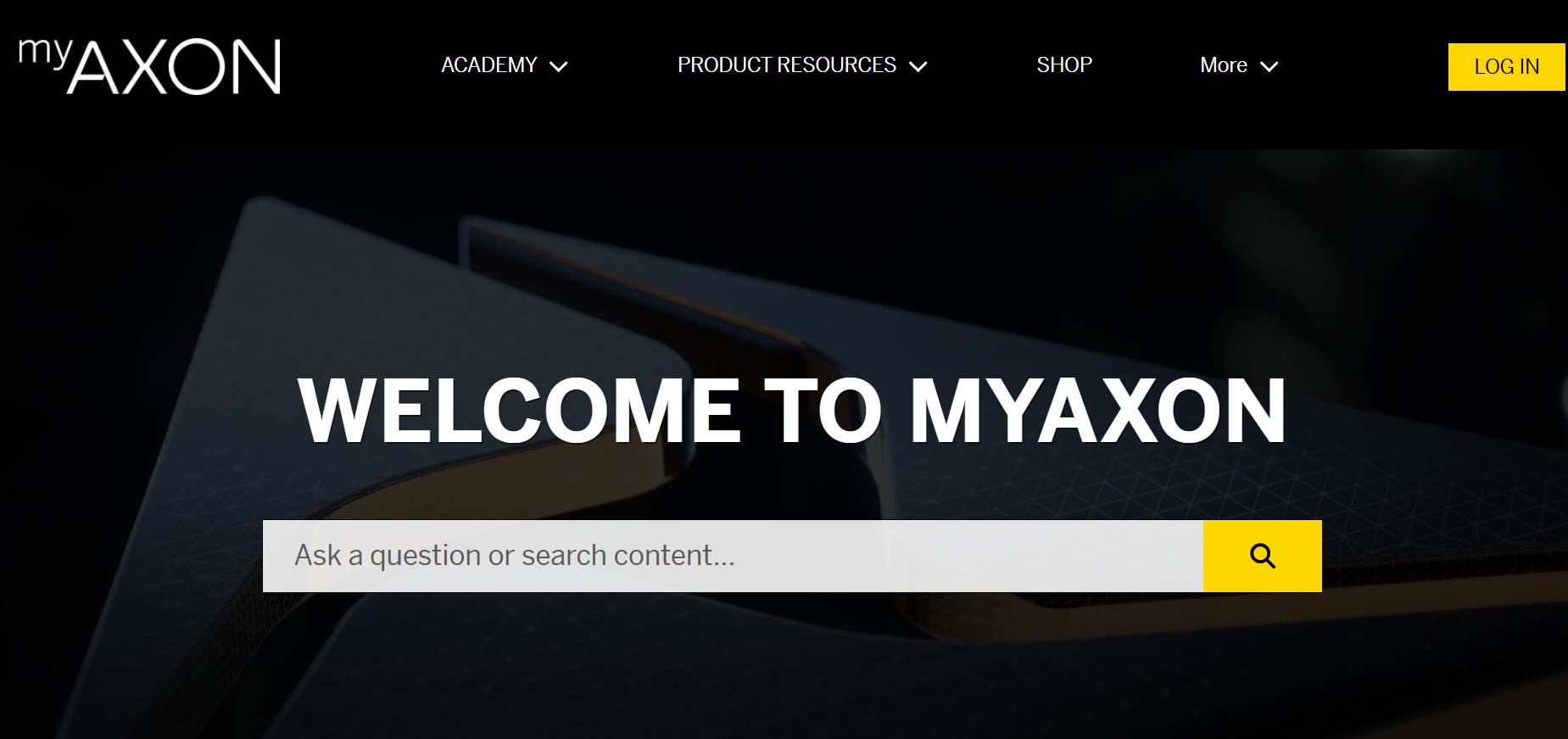
Salesforce Experience Cloud: MyAxon Customer Portal
Axon runs MyAxon on Salesforce Experience Cloud, their all-in-one self-service hub for law enforcement agency customers. The portal gives agencies access to product guides, firmware updates, support cases, account management information, training resources, and the Axon Developer Community forum. It is also available as a mobile app with persistent login and push notifications for product updates.
Salesforce CRM: Global Sales Force Management
Axon's entire sales team runs on Salesforce CRM. Multiple job postings confirm this directly. Account Executives are required to "track customer activity in Salesforce to execute on account strategy and identify additional opportunities" and "maintain and expand the CRM (Salesforce) with prospects, accounts and additional contacts." Strategic Account Executives must "maintain accurate pipeline and forecast data in Salesforce." It is the system of record for Axon's global go-to-market motion selling into law enforcement, corrections, and enterprise security. You can view Axon's Salesforce instance here.
A Note on the AfroTech GTM Tag
Axon's Google Tag Manager configuration contains an event named "Afrotech_LP_Salesforce_Engineering_Click", which tracks clicks on a landing page targeting Salesforce engineering talent at the AfroTech conference. A small but revealing signal: Axon is actively recruiting Salesforce engineers, suggesting their Salesforce infrastructure is large enough to require dedicated internal engineering headcount.
Insurance Brokerage - San Francisco, CA
EPIC (Edgewood Partners Insurance Center) is one of the largest privately held insurance brokerages in the US. Their Salesforce footprint spans sales CRM, web personalization, and a customer-facing portal, making them a strong example of a financial services firm running deep on the Salesforce platform.
Salesforce CRM: Producer Sales Enablement
EPIC uses Salesforce as the core CRM for their entire producer sales organization. Their VP of CRM and Sales Success, Jesse Walker, presented at a Salesforce Financial Services event and was recognized with a Technology Evangelist Award for his work. According to EPIC, Salesforce is used to "build strategic engagement between EPIC's producers and their prospects", with machine learning, analytics, and automation layered on top to design a seamless experience across multiple channels. You can view EPIC's Salesforce instance here.
Salesforce Experience Cloud: Customer Portal
EPIC runs a customer portal on Salesforce Experience Cloud, giving clients and partners access to account information and resources digitally, connected back to the same Salesforce CRM underneath.
Marketing Cloud Personalization (formerly Evergage)
EPIC runs Salesforce Marketing Cloud Personalization on epicbrokers.com under the account name "edgewoodpartnersins" (the firm's original name, Edgewood Partners Insurance Center). The full sitemap configuration is embedded in the page source, tracking visitor behavior across homepage, about, industries, products, programs, insights, and contact form pages. EPIC uses it to deliver personalized web experiences to prospects and to capture identity data when visitors submit sales inquiry or privacy policy forms, passing name, email, company, industry, and other fields directly into their Salesforce user profile.

 cognify GmbH
 Marktspot
 Colorado Access
 Little Green Button
 Parkview Advance
 Chicago Trading Company
 NH Management
 Billigence
 Just a Little Data / Unlock Knowledge
 Imagine Englewood if...
 Amplifi Capital
 FairMarketing.com
 Infinity Financial Services
 Ingalls Shipbuilding, a Division of HII
 Jonathan Neil & Associates
 Kepro
Kepro
 Hungarian Red Cross
 A-Players
 Hello World Systems
 New Balance
 SharkNinja
 athenahealth
 AppsFlyer
 Palo Alto Networks
 Bank of Guam
 American Tower
 Aaron's
 Axon
Axon
 EPIC Insurance Brokers