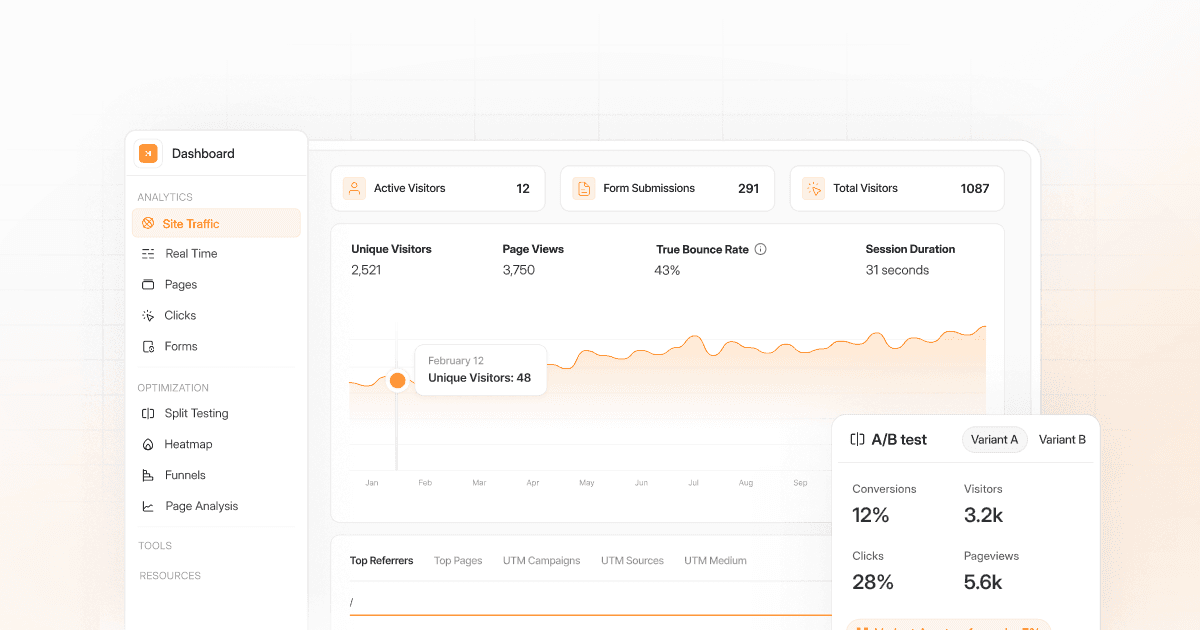
We detected 547 customers using Umami and 32 customers with upcoming renewal in the next 3 months. The most common industry is Software Development (12%) and the most common company size is 11-50 employees (37%). We find new customers by detecting JavaScript snippets or configurations on customer websites.
Source: Analysis of 100 job postings that mention Umami
Job titles that mention Umami
i
Based on an analysis of job titles from postings that mention Umami.
Job Title
Share
Chef/Cook
29%
Director of Operations
8%
Regional Sales Director
5%
Project Manager
5%
I noticed that while only 11% of these postings are in formal leadership roles, the purchasing decisions around Umami span multiple contexts. In biotech and alternative protein companies, Directors of Operations and Project Managers are hiring for roles that involve cultivated seafood and precision fermentation. In hospitality, Directors of Operations at properties like Conrad Fort Lauderdale are building culinary programs around Japanese cuisine. In CPG food companies, Regional Sales Directors are focused on growing brands with naturally savory flavor profiles. These leaders share strategic priorities around innovation, sustainability, and creating differentiated food experiences.
The day-to-day users are predominantly culinary professionals. Station cooks, chefs de partie, and executive chefs are working hands-on with umami ingredients and Japanese cooking techniques. I also found sensory scientists and flavorists who evaluate and develop umami-rich taste profiles for food manufacturers. These practitioners are creating recipes, training on basic tastes including umami, and developing flavor systems for applications ranging from snacks to beverages.
The pain points center on authenticity and innovation in a competitive market. Companies want to create products that are "delicious, nutritious, and affordable" while being "naturally sustainable." I saw repeated emphasis on developing "umami-rich" profiles and "authentic culinary experience" that can "differentiate Kerry in the Market." One posting specifically mentioned the need to "unlock new retail accounts" and "revolutionize the future of food," revealing how umami plays into both product development and market positioning strategies.
👥 What types of companies is most likely to use Umami?
Source: Analysis of Linkedin bios of 547 companies that use Umami
Company Characteristics
i
Shows how much more likely Umami customers are to have each trait compared to all companies. For example, 2.0x means customers are twice as likely to have that characteristic.
Trait
Likelihood
Funding Stage: Pre seed
30.7x
Funding Stage: Seed
23.2x
Industry: Software Development
6.9x
Country: CA
4.2x
Industry: IT Services and IT Consulting
3.2x
Company Size: 11-50
2.8x
I noticed that Umami's users span an incredibly diverse range of industries, but they share a common thread: they're organizations that need to connect with audiences online. These aren't purely digital-native tech companies. Instead, I see medical imaging centers, dental practices, food manufacturers, nonprofits, educational institutions, tourism boards, construction firms, retail chains, and professional services. What they build or sell varies wildly, from beef jerky to eVTOL aircraft to recruitment software, but they all maintain some form of web presence that requires analytics.
The stage distribution is fascinating. While there are a handful of funded startups (Tapio Capital raised $250K, Wirepas completed Series D), the majority appear to be established small to mid-sized businesses with 11-200 employees. Most show no funding stage listed, suggesting they're profitable, bootstrapped operations. The employee counts and lack of VC backing indicate mature, stable companies rather than hyper-growth startups. These are businesses that have been around for years or decades, not fresh launches.
🔧 What other technologies do Umami customers also use?
Source: Analysis of tech stacks from 547 companies that use Umami
Commonly Paired Technologies
i
Shows how much more likely Umami customers are to use each tool compared to the general population. For example, 287x means customers are 287 times more likely to use that tool.
I noticed that companies using Umami are deeply committed to privacy-focused, cookieless analytics. The overwhelming presence of tools like Simple Analytics, Plausible, and Ahrefs Web Analytics tells me these are companies that have made a philosophical choice about how they collect data. They're not just trying one privacy tool, they're often layering multiple ones, which suggests they're either comparing options or using different tools for different purposes. This isn't coincidental adoption. These companies are deliberately building their entire analytics infrastructure around user privacy.
The pairing with Enzuzo is particularly revealing because it's a cookie consent management platform. Companies using both Umami and Enzuzo are clearly navigating strict privacy regulations like GDPR. The strong correlation with Posthog is interesting too, since it suggests these companies want product analytics capabilities beyond what simple web analytics provides, but they still want it done with a privacy-first approach. The presence of Google Search Console, while less dramatic in its correlation, shows these companies haven't abandoned all mainstream tools. They're pragmatic, using Google's free SEO insights while keeping their visitor tracking privacy-compliant.
My analysis shows these are product-led companies, likely in early to mid growth stages. They're sophisticated enough to care about analytics infrastructure decisions but probably don't have enterprise budgets for expensive tools. The combination of self-hosted or affordable analytics options with product behavior tracking through Posthog suggests they're optimizing their product based on usage data, not traditional sales metrics.
Alternatives and Competitors to Umami
Explore vendors that are alternatives in this category

 Aurora Plasma Design
 BAM
BAM
 FreightFox
 Volocopter
 Conversive
 Fudge
Fudge
 PerfectServe
 ARRCC
ARRCC
 LE DROIT POUR MOI
 SORISA
 Attacus Stomsystem
 Mint Finance
 Aerleum
 Orbit Discovery
 TFO
TFO
 SAOTA
SAOTA
 Ravella
 OKHA Design Studio
 Little Freddie Organic Baby Food
 Iterate